
IATA Lowers Air Cargo Growth Forecasts
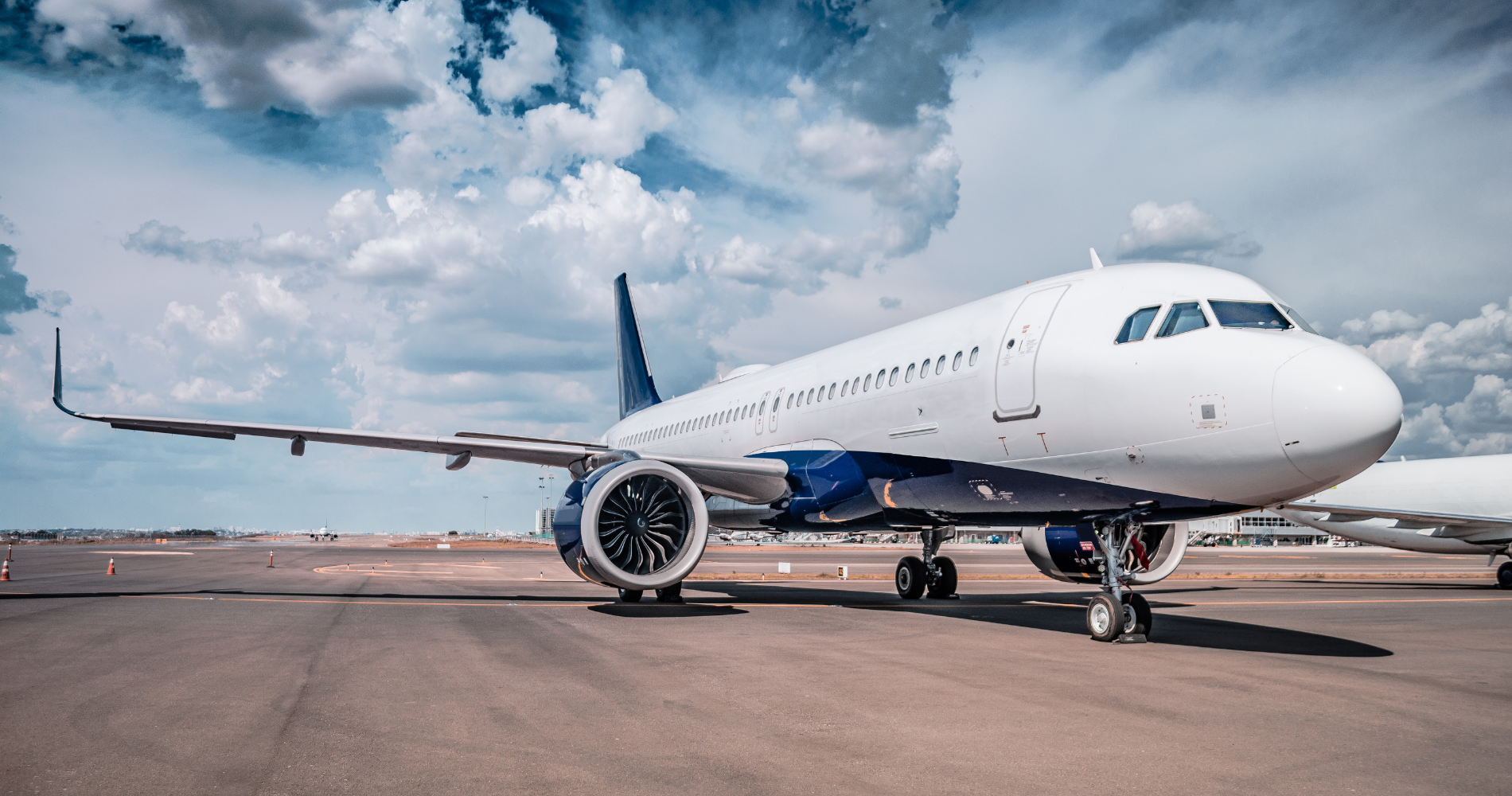
The International Air Transport Association (IATA) has revised downward its air cargo growth forecast for 2026. Drawing attention to the widespread disruptions caused particularly by conflicts in the Middle East during the first half of the year, the organization projected in its latest global airline industry financial outlook that cargo volumes will increase by only 0.2% in 2026, reaching 71.7 million tons.
The energy crisis triggered by the closure of the Strait of Hormuz at the beginning of 2026 led to a significant disruption in global oil supply. The removal of millions of barrels per day from the market affected refining processes and energy logistics, causing disruptions across global supply chains. This situation not only drove volatility in energy markets but also rapidly increased transportation costs.
One of the most notable impacts of the crisis was seen in jet fuel. Since February, jet fuel prices have approximately doubled, significantly increasing airline operating costs. Refining margins reaching record highs indicated that the supply shortage was not only due to crude oil constraints but also to a reduction in processing capacity.
According to the report, the effects of the energy shock were not limited to the aviation sector. Rising energy costs pushed global inflation upward, putting pressure on consumer spending and economic growth. Accordingly, global growth is expected to decline to 2.5% in 2026. Inflation exceeding 5% is increasing the risk of stagflation in the global economy.
Slowdown in Passenger Demand
Rising costs, airspace restrictions, and longer flight routes are also negatively affecting passenger traffic. While no contraction is expected, global passenger traffic is projected to grow by around 2.1% in 2026, with notable regional differences. While a sharp decline is observed in the Middle East, Africa and Asia-Pacific regions continue to grow.
Air Cargo Growth Nearly Stagnates
After a strong start to the year, the air cargo sector has lost momentum due to geopolitical developments and capacity constraints. Disruptions in the Middle East have negatively impacted hub connectivity and global capacity in particular. As a result, cargo demand is expected to show only limited growth of approximately 0.7% throughout 2026.
Meanwhile, although airlines remain profitable overall, rising costs are significantly squeezing margins. While industry revenues are expected to increase by 9.4% in 2026, net profit is projected to decline to $23 billion, with profit margins falling to around 2%. The rise in fuel costs is only partially reflected in ticket prices, making profitability more challenging for the sector.
Need for Alternative Energy Transition
The crisis highlighted in the report has also exposed structural dependencies in the energy system. The fact that fossil fuels still account for more than 80% of global energy consumption increases the importance of transitioning to alternative energy sources. Current production levels of sustainable aviation fuel (SAF), however, remain well below the sector’s long-term targets.
IATA’s downward revision indicates that the aviation sector is operating within a high-cost–low-volume balance as of 2026. In particular, the sharp rise in fuel prices and capacity constraints show that growth is being shaped more by external factors than by natural market dynamics, forcing industry players to focus on cost management and pricing strategies. Despite limited volume growth in air cargo, the ability to maintain revenues suggests that the market may increasingly evolve toward a high-yield, low-volume structure.
Source: IATA


 Popular News

.png)