
What Is IATA and Why Is It Important?
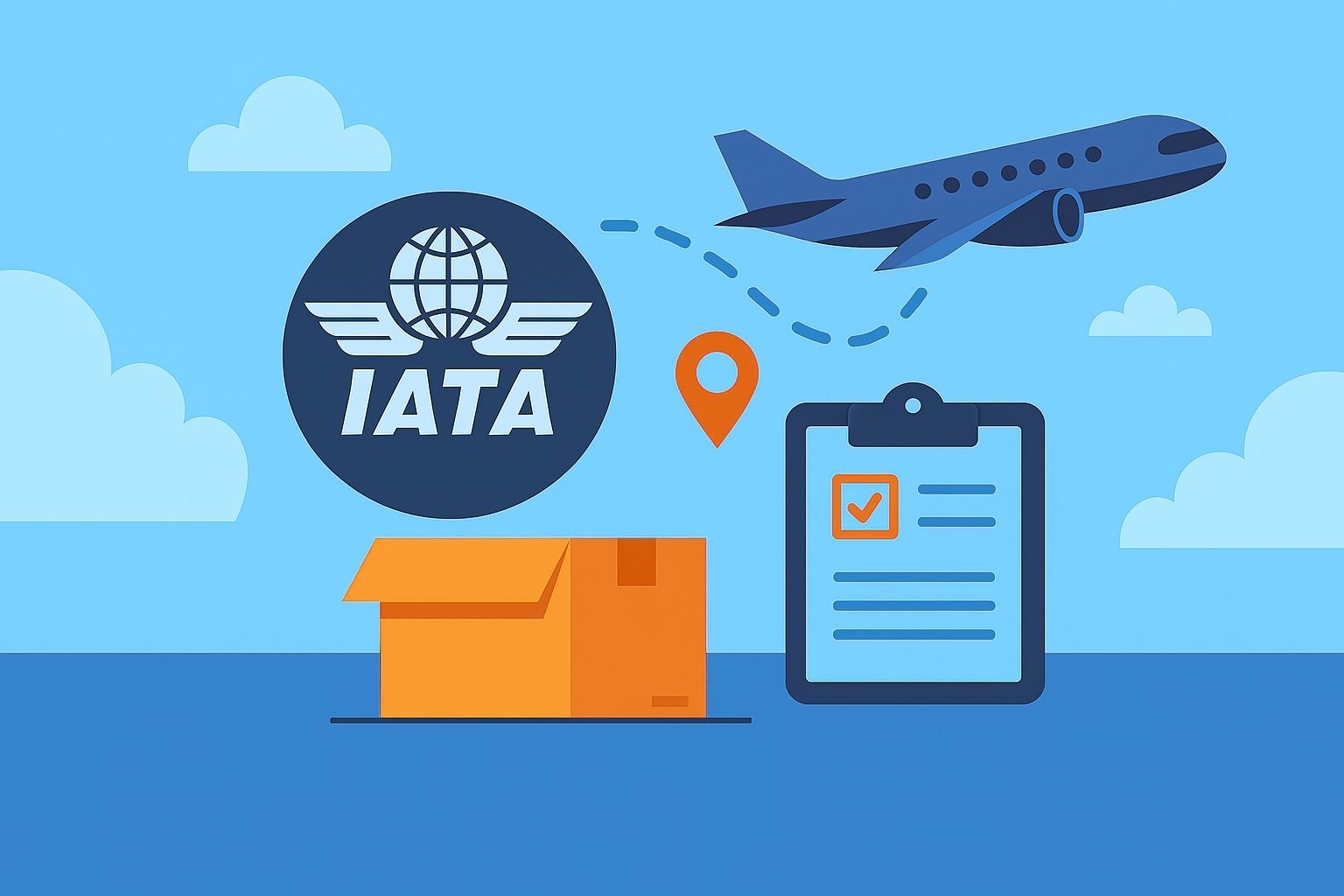
Founded in Havana, Cuba in 1945, the International Air Transport Association (IATA) was established with the aim of ensuring safe, secure, and economically viable air transportation. The organization’s name translates into Turkish as Uluslararası Hava Taşımacılığı Birliği. IATA’s headquarters are located in Montreal, Canada.
As an international trade association open exclusively to airlines, IATA has more than 360 member airlines across over 140 countries.
The Role of IATA in the Aviation Industry
IATA’s primary responsibility is to oversee and support passenger and air cargo transportation processes conducted by airlines. In order for an airline to become an IATA member, it must comply with the standards set by the International Civil Aviation Organization (ICAO). Airlines that meet these requirements are eligible for membership.
Supporting a wide range of aviation-related activities, IATA also plays a key role in the formulation of industry policies on critical aviation issues, contributing to the overall development and regulation of the sector.
What Does IATA Do?
IATA is an organization made up of airline members and is committed to ensuring that both passengers and airlines receive high-quality services. By supporting the industry and enhancing operational efficiency, IATA assists its members in the following key areas:
- Speed
- Safety
- Compliance
- Sustainability
- Efficiency
IATA membership is particularly important for airlines seeking to improve service quality and manage their operational processes more effectively. The organization is responsible for overseeing tariff structures and authorization procedures related to passenger and cargo transportation, making its role critical within the air transport industry.
IATA Codes and Their Importance
The Turkish expansion of IATA is Uluslararası Hava Taşımacılığı Birliği. Several airlines operating in Türkiye are IATA members. Within the aviation sector, airports are assigned two types of codes, one of which is the IATA code. These codes are used to monitor and regulate passenger and cargo transportation processes. As such, IATA airport codes play a vital role in ensuring standardized and efficient air transport operations.
What Is the Purpose of IATA?
IATA holds a crucial position in establishing and maintaining standards within the airline industry. Its role encompasses resolving member issues, conducting inspections, and setting operational standards. Whether related to passenger or cargo transportation, IATA’s main objective is to maintain a defined level of quality across air transport services.
High-speed service delivery is among IATA’s top priorities, alongside maintaining high safety standards. IATA also plays a critical role in ensuring secure air transportation and intervenes when it comes to operating airport terminals in line with international standards. For this reason, IATA membership offers significant advantages to airline companies.
Which Airlines in Türkiye Are IATA Members?
Nearly all airlines operating in Türkiye are members of IATA, having met ICAO requirements. Turkish airlines that benefit from IATA membership include:
- Turkish Airlines
- Pegasus Airlines
- Atlas Global
- Onur Air
- SunExpress
- Corendon Airlines
- Freebird Airlines
IATA actively continues its operations within Türkiye. Thanks to IATA airport codes assigned across the country, airport operational standards remain at a high level.
The Importance of IATA Membership for Türkiye
Through IATA membership, Turkish airlines are able to provide high-quality transportation services while successfully undergoing necessary inspections and operating efficiently. With a long history from its establishment to its global expansion, IATA today is regarded as an essential organization that airlines should join to resolve sectoral challenges, deliver faster and more efficient services, and maintain a sustainable operational structure.
What Are the Responsibilities of IATA?
While supporting numerous areas within aviation, IATA effectively simplifies industry operations. Thanks to the organization, inspections are carried out more quickly and efficiently in pursuit of safer and higher-quality air transportation. One of IATA’s most important functions is offering solutions to the challenges faced by member countries and airlines.
Operating through a membership-based system, IATA regularly addresses member concerns during conferences and seminars. Its role is particularly significant in resolving these issues. Another key function of IATA is setting operational standards for air transportation. Given the intense competition within the airline industry, IATA ensures that this competition takes place under fair conditions.
In addition to defining cargo transportation procedures, IATA also establishes standards related to airport terminal design and operational management.


 Popular News
.png)