
Your Guide to Simplifying Logistics
We provide all the logistics knowledge you need in the clearest way possible.
Did You Know
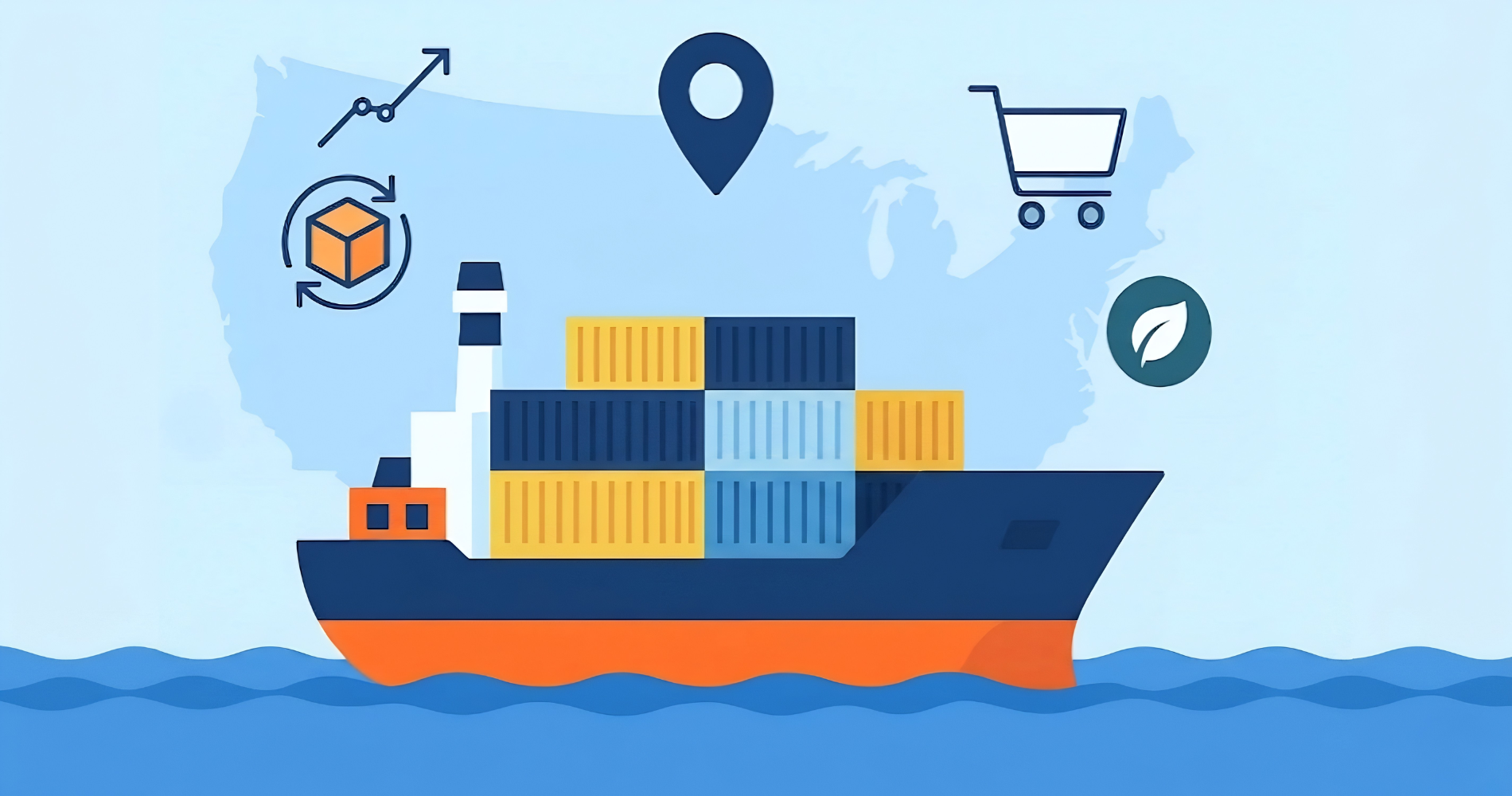
Approximately 90% of global trade is carried by sea. This highlights that maritime transport is the most important mode of global trade, thanks to its ability to move large volumes of cargo at lower costs. In particular, most oil, raw materials, and containerized goods are transported via sea routes.
Did You Know
Approximately 90% of global trade is carried by sea. This highlights that maritime transport is the most important mode of global trade, thanks to its ability to move large volumes of cargo at lower costs. In particular, most oil, raw materials, and containerized goods are transported via sea routes.

What You Wonder About Import Fee Deposit
Read MoreWorld News
Breaking News from Around the World
Turkish Ports Strengthen Competitiveness with Green and Smart Transformation
Arkas Line Strengthens Its Reefer Fleet with 500 New Containers
First Return Freight Shipment to China via the Middle Corridor Completed
Discover the Language of Logistics!
Determining the orders or needs in a way to eliminate excess or deficiency of stock by constantly and periodically monitoring stocks according to set rules.
LogiTalks

What Is a Freight Forwarder?
The Journey of Sensitive Air Cargo
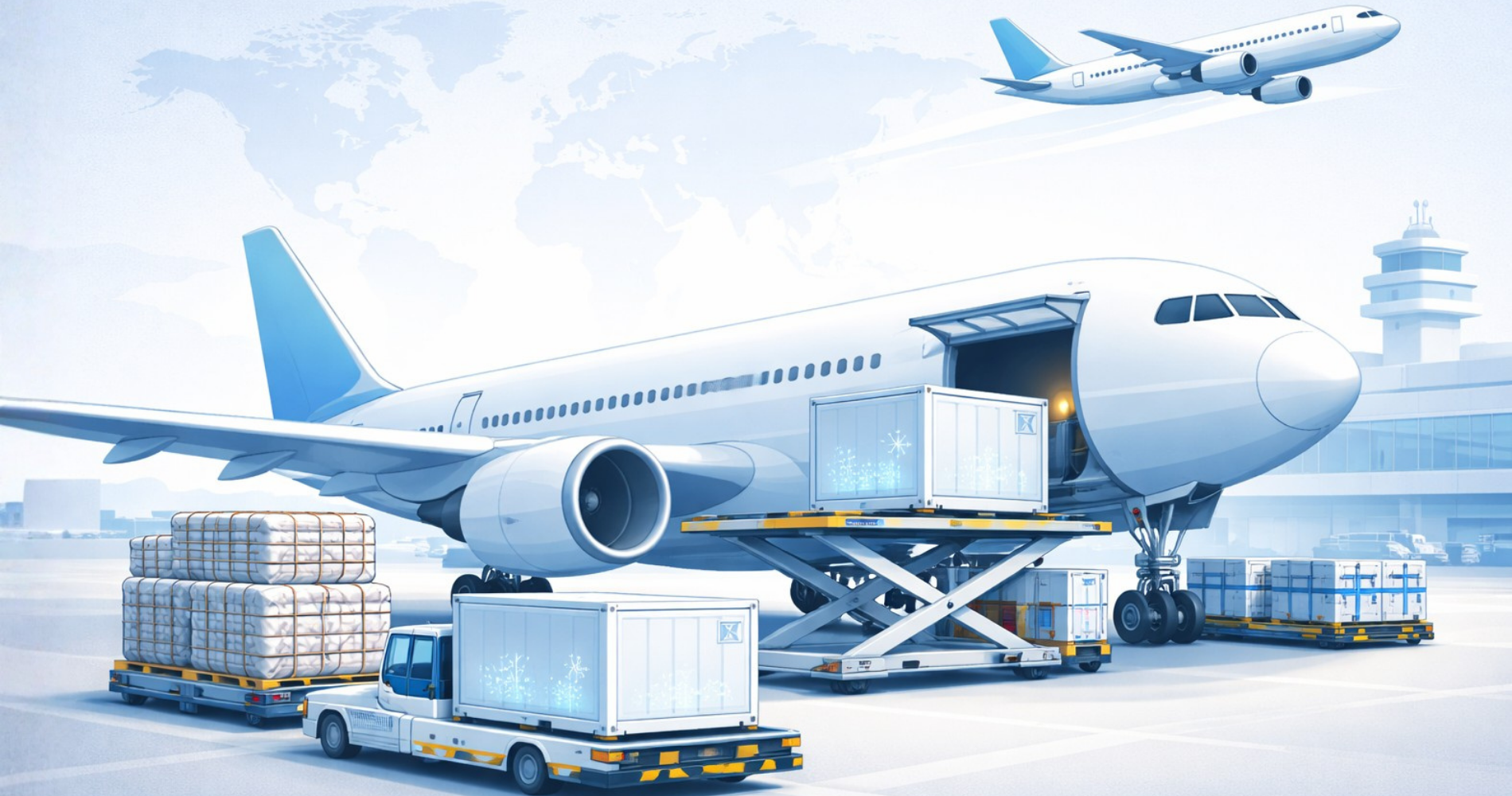
Air freight transportation is not only a solution for time‑critical shipments, but also an indispensable logistics mode for moving the most sensitive, valuable, and critical cargo safely. In this podcast episode, we examine how sensitive air cargo operations are managed, ranging from healthcare products and cold chain shipments to artworks, historical artifacts, live animal transport, and high‑value electronics and production components.
Rail Freight Wagon Types and Their Areas of Use
Rail transportation offers a powerful solution for the safe and cost-effective movement of high-volume cargo over long distances. However, the efficiency of this system largely depends on selecting the most appropriate wagon type for the cargo being transported. In this podcast episode, we take an in-depth look at which types of cargo are carried using boxcar, open, flatbed (platform), tank, refrigerated, hopper, and special-purpose wagons.
Types of Ships Used in Maritime Transportation
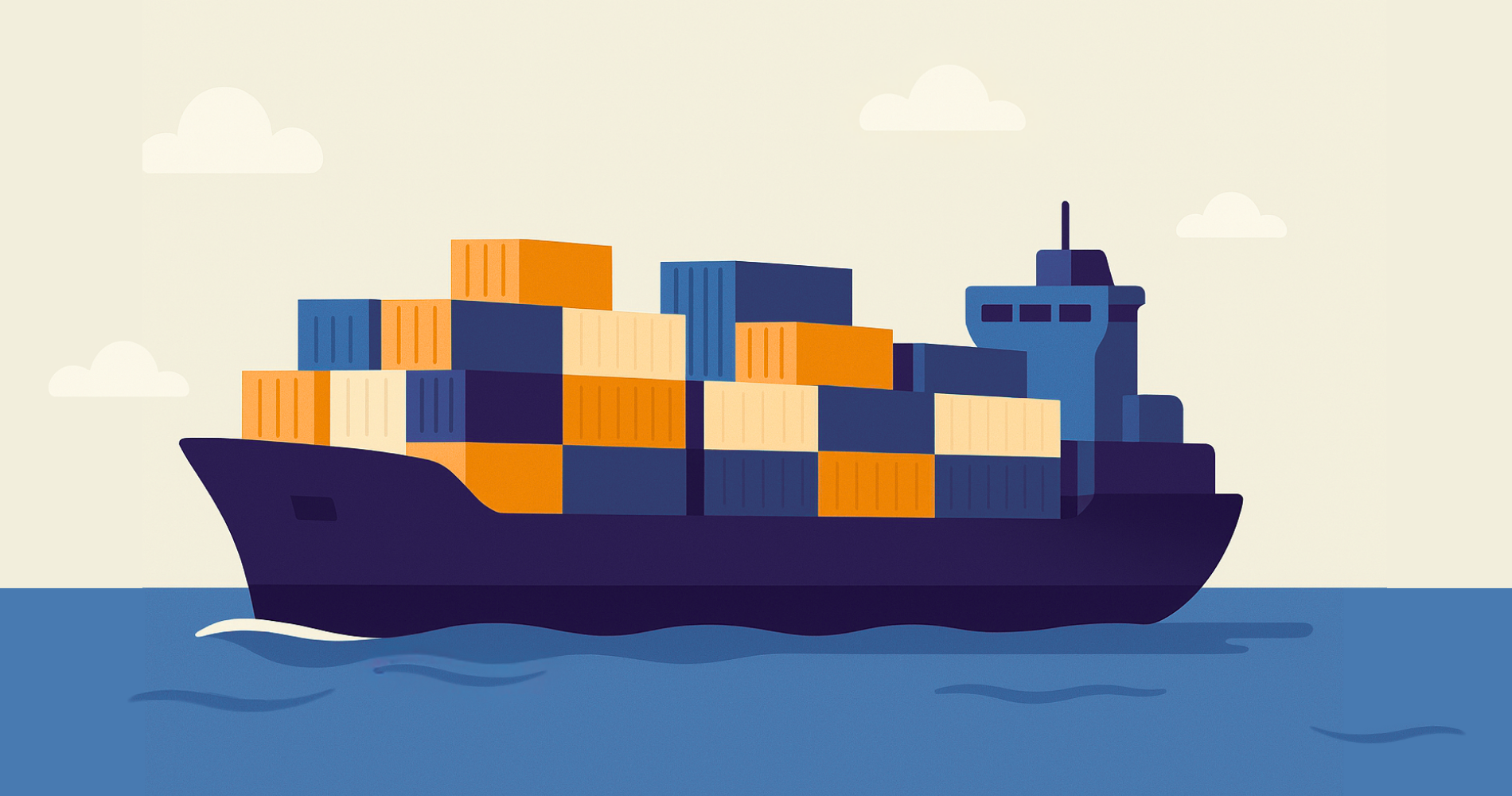
Maritime transportation is one of the most important logistics methods for moving heavy and bulky cargo in a cost-effective and secure way. In this podcast episode, we examine the fundamentals of sea freight, including the differences between tramp and liner shipping. We then take a closer look at the main types of cargo vessels—Ro-Ro ships, container ships, dry bulk carriers, and tanker ships—highlighting their technical characteristics, advantages, and typical use cases.
What Is a Freight Forwarder?
The Journey of Sensitive Air Cargo
Air freight transportation is not only a solution for time‑critical shipments, but also an indispensable logistics mode for moving the most sensitive, valuable, and critical cargo safely. In this podcast episode, we examine how sensitive air cargo operations are managed, ranging from healthcare products and cold chain shipments to artworks, historical artifacts, live animal transport, and high‑value electronics and production components.
Rail Freight Wagon Types and Their Areas of Use
Rail transportation offers a powerful solution for the safe and cost-effective movement of high-volume cargo over long distances. However, the efficiency of this system largely depends on selecting the most appropriate wagon type for the cargo being transported. In this podcast episode, we take an in-depth look at which types of cargo are carried using boxcar, open, flatbed (platform), tank, refrigerated, hopper, and special-purpose wagons.
Types of Ships Used in Maritime Transportation
Maritime transportation is one of the most important logistics methods for moving heavy and bulky cargo in a cost-effective and secure way. In this podcast episode, we examine the fundamentals of sea freight, including the differences between tramp and liner shipping. We then take a closer look at the main types of cargo vessels—Ro-Ro ships, container ships, dry bulk carriers, and tanker ships—highlighting their technical characteristics, advantages, and typical use cases.
Blogs