
ISF, AMS, and Customs Processes in U.S. Ocean Freight Transportation
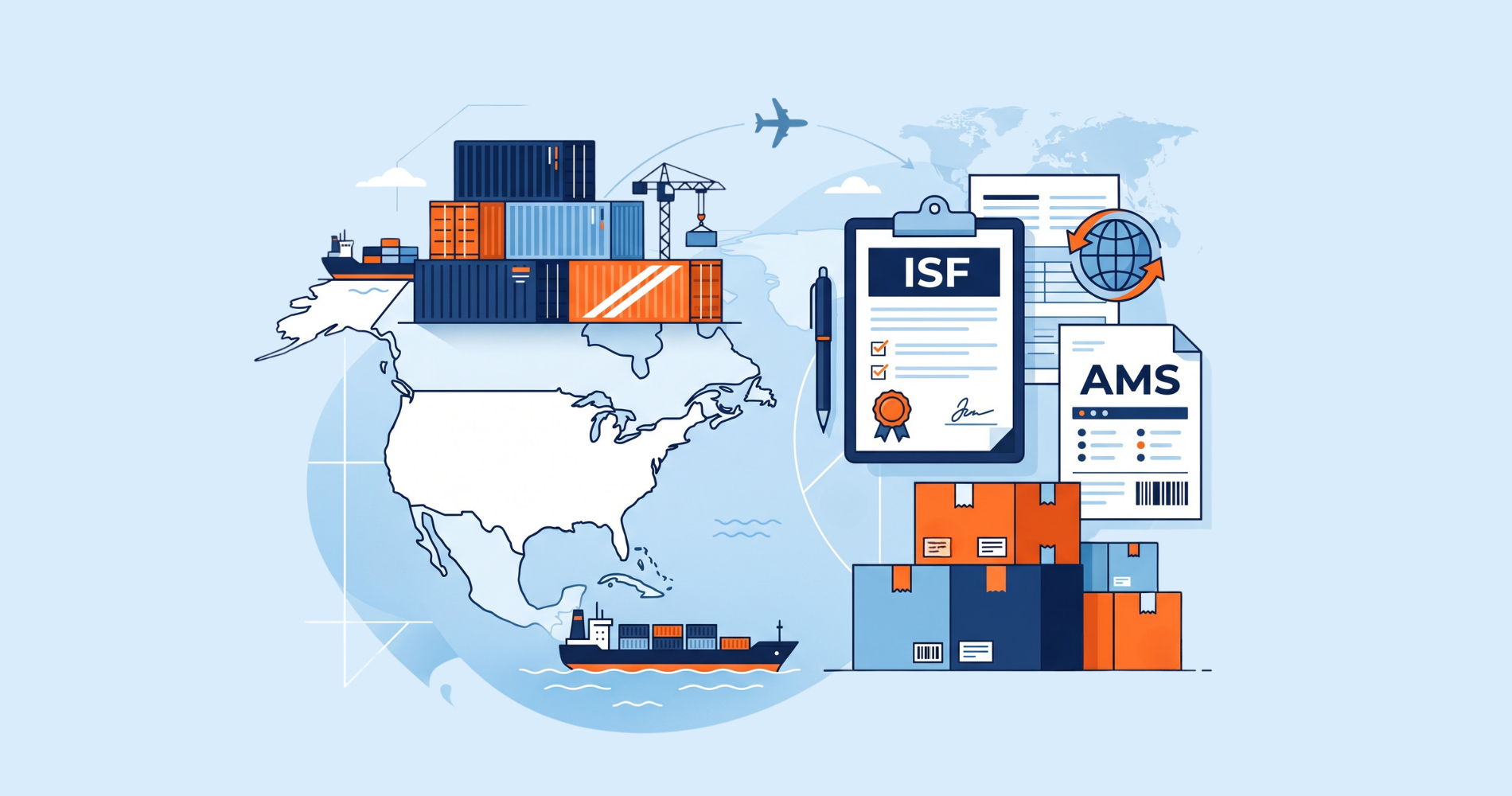
Ocean freight transportation to the United States is a comprehensive process that involves not only the physical movement of goods but also specific customs procedures and security filings. Especially in cases of e-commerce or commercial shipments to the U.S., practices such as ISF (Importer Security Filing), AMS (Automated Manifest System), and Customs Bond play a critical role.
These systems are implemented to ensure that cargo shipments to the United States are carried out in a secure, traceable, and well-regulated manner. Proper planning of these processes can both optimize costs and improve operational efficiency.
What Is ISF and Why Is It Important?
ISF (Importer Security Filing) is a pre-arrival filing system for cargo transported to the United States by sea. Commonly referred to as the “10+2 rule,” this requirement involves submitting certain critical information to the U.S. Customs and Border Protection (CBP) system before the cargo is loaded onto the vessel.
Failure to submit ISF declarations accurately and on time can have serious operational and financial consequences. Late or incorrect ISF filings may result in penalties of USD 10,000 or more, which can be issued to the importer even long after the shipment has been loaded. This situation can make cost predictability difficult and lead to unexpected post-operation expenses.
The importance of ISF can be evaluated through the following points:
- Ensures that shipments are subject to security screening before reaching the U.S.
- Contributes to faster and more controlled customs processes
- Helps identify potential risks at an early stage
- Plays a role in preventing operational delays
For this reason, ISF is not only a regulatory requirement but also a critical step for ensuring smooth operations.
What Is AMS (Automated Manifest System) and Why Is It Important?
AMS (Automated Manifest System) is a system that enables carriers to submit cargo manifest information to U.S. Customs electronically. Through this system, cargo details can be reviewed by customs authorities before arrival.
Timing is crucial at this stage. If AMS filings are not completed within the required pre-loading timeframe, the shipping line or carrier may refuse to accept new cargo for the shipment or may be unable to update existing cargo records. This can eliminate operational flexibility and create significant planning challenges.
The main advantages of AMS include:
- Enables transparent tracking of cargo movements
- Makes customs processes more predictable
- Clarifies carrier-based responsibilities
- Improves data accuracy in operational processes
When evaluated together with ISF, AMS serves as a key control mechanism in U.S.-bound shipments.
ISF and AMS Filing Deadlines and Responsibilities
Timing is a highly critical factor in logistics operations to the United States. ISF and AMS filings are generally required to be submitted at least 24 hours before container loading.
Responsibilities in these processes are assigned to different parties. While ISF responsibility lies with the importer or its authorized representative, AMS responsibility lies with the carrier or freight forwarder. Understanding this distinction correctly helps prevent operational errors.
What Is a Customs Bond / ISF Bond?
When importing into the United States, a financial guarantee system known as a Customs Bond is required. This structure is established to ensure that the importer fulfills its obligations toward customs authorities. Selecting the correct bond type is important both for smooth operations and balanced cost management.
There are generally two types of bonds:
- Single Entry Bond: Used for one-time shipments
- Continuous Bond: Preferred by companies that import regularly on an annual basis
In addition, there is a specific type of guarantee called an ISF Bond, which is required for ISF filings. Shippers using a Single Entry Bond must obtain an additional ISF Bond for each shipment by paying an extra fee.
However, if the shipment is covered under a Continuous Bond, there is no need to obtain a separate ISF Bond. The Continuous Bond automatically covers ISF-related penalties.
Risks of Incorrect or Incomplete Declarations
The U.S. customs system operates with high sensitivity to the accuracy of declarations. Therefore, incorrect, incomplete, or late submissions may lead to various risks, including:
- Financial penalties at certain rates
- Cargo not being accepted for shipment or not being updated
- Cargo being held at customs
- Additional inspection and control processes
- Additional storage and demurrage costs per container
- Delays in delivery times
While it may not be possible to eliminate these risks entirely, they can be minimized with proper planning.
Key Considerations in Operational Processes on U.S. Trade Lanes
For successful management of ocean freight operations to the United States, several critical factors must be considered. First, the accurate and complete preparation of shipment data is essential to ensure smooth processing. Clear definitions of product descriptions, HS Codes, and supply chain data further support efficient operations. In addition, effective time management plays a crucial role, as missing ISF and AMS deadlines can significantly increase the risk of delays. Choosing the correct transportation model (FCL or LCL) is also important, while pre-evaluating port congestion can help avoid potential disruptions. Furthermore, selecting the appropriate bond type is key to maintaining compliance and cost efficiency. Finally, strong coordination among logistics partners enhances overall operational efficiency and ensures a more seamless process.
The Importance of Process Management in U.S. Shipments
Compared to many other international trade routes, the U.S. trade lane involves a higher level of regulation and control mechanisms. Therefore, not only transportation but also effective data management and process tracking become increasingly important. Proper management of ISF, AMS, and bond processes can facilitate customs clearance, reduce operational disruption, and contribute to improved cost control.
Accurate handling of ISF and AMS processes in ocean freight shipments to the United States enables smoother operations. With Shipeedy.com’s digital solutions, you can quickly obtain quotations, transparently track your export operations, and manage U.S. customs processes in a more controlled manner.


 Popular News
.png)