

Volvo Begins Testing Hydrogen-Powered Trucks on European Roads
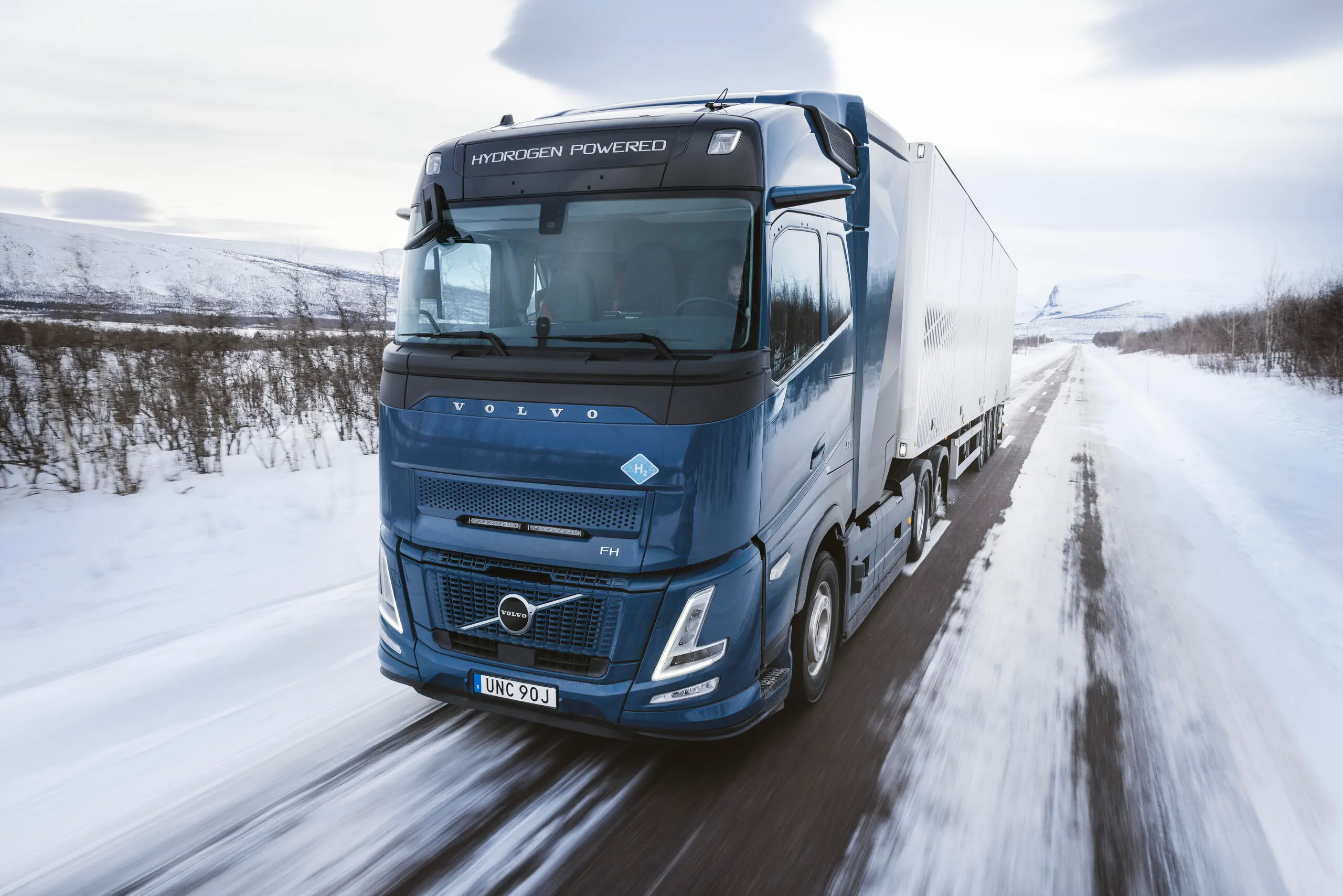
Volvo Trucks has announced that it has begun testing hydrogen-powered internal combustion heavy-duty trucks on European roads as part of its multi-path strategy to reduce carbon emissions in transportation. The company aims to introduce this technology to the European market before 2030. Hydrogen-combustion trucks are particularly targeted at the long-haul transport segment, where battery-electric vehicles may be insufficient due to range limitations or a lack of charging infrastructure.
The tested vehicles utilize High-Pressure Direct Injection (HPDI) technology. This system operates by injecting a small amount of ignition fuel at high pressure before the hydrogen injection. According to Volvo, this method delivers higher energy efficiency, lower fuel consumption, and greater power output compared to conventional hydrogen combustion engines.
Jan Hjelmgren, Head of Product Management at Volvo Trucks, emphasized the importance of road testing and stated:
“Road tests mark an important milestone for our hydrogen internal combustion engine trucks. I am confident that they will be among the best in the industry in terms of fuel efficiency, power, torque, and drivability. Customers will be able to use them just like diesel trucks. Our experience with HPDI technology in more than 10,000 gas-powered trucks is strong proof of its performance.”
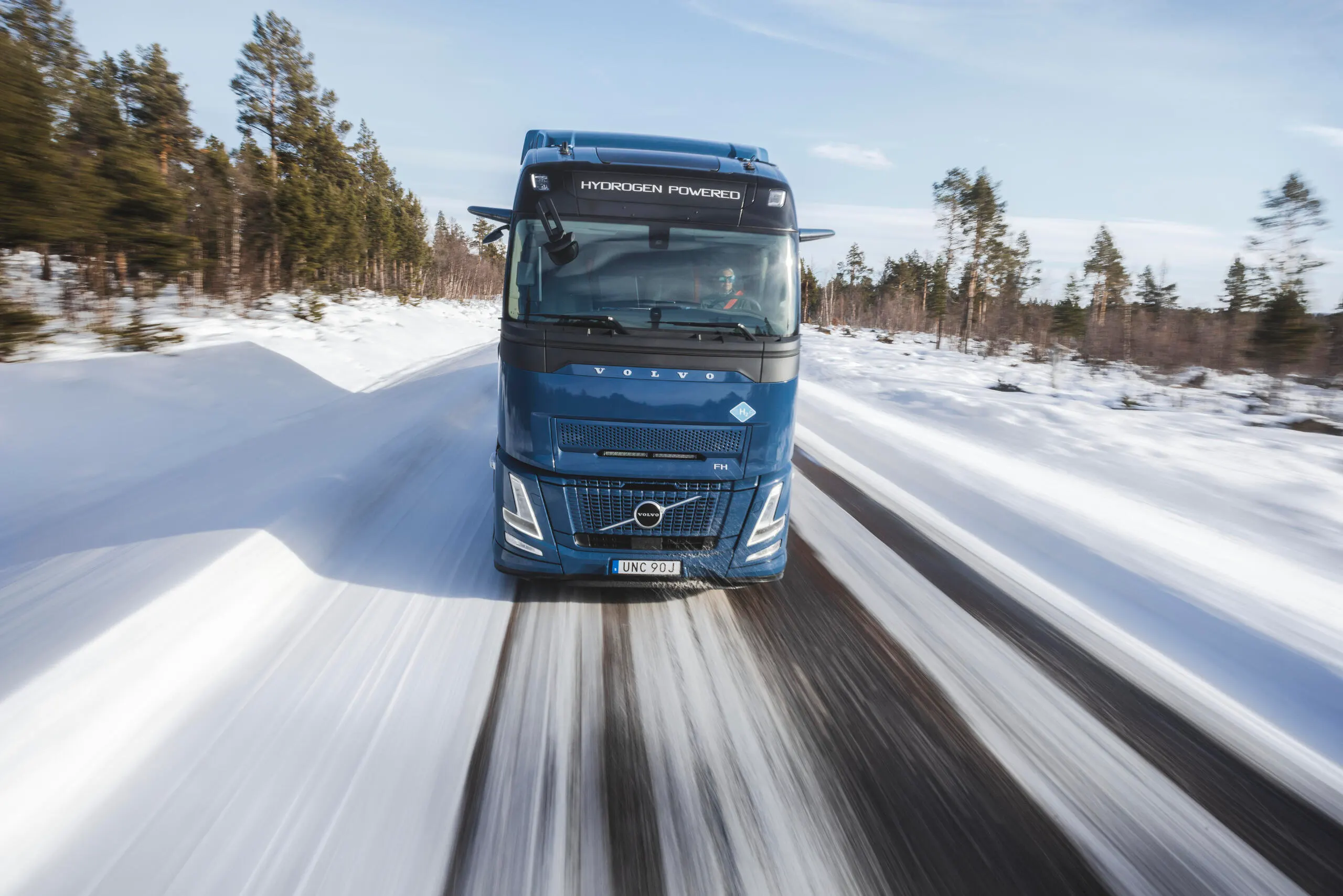
Hydrogen-combustion trucks are expected to be particularly suitable for long-distance transportation and regions with limited charging infrastructure. When operated using green hydrogen and renewable ignition fuels such as hydrotreated vegetable oil (HVO), these trucks can achieve near-zero well-to-wheel CO₂ emissions, according to Volvo.
This development forms part of Volvo’s three-pillar decarbonization strategy, under which the company is simultaneously advancing battery-electric trucks, hydrogen fuel cell vehicles, and internal combustion engines running on renewable fuels.
“We see great potential for hydrogen combustion engine trucks and believe they will play an important role in the transition to zero-emission transport,” Hjelmgren said, but noted that widespread adoption depends on several key factors.
According to Volvo, the large-scale rollout of hydrogen-powered trucks will depend on the expansion of hydrogen refueling infrastructure, competitive fuel costs, and regulatory frameworks defining how hydrogen vehicles are classified across different markets.
Source: Volvo Trucks


 Popular News

.png)