
The Role of Undersea Internet Cables in Global Logistics
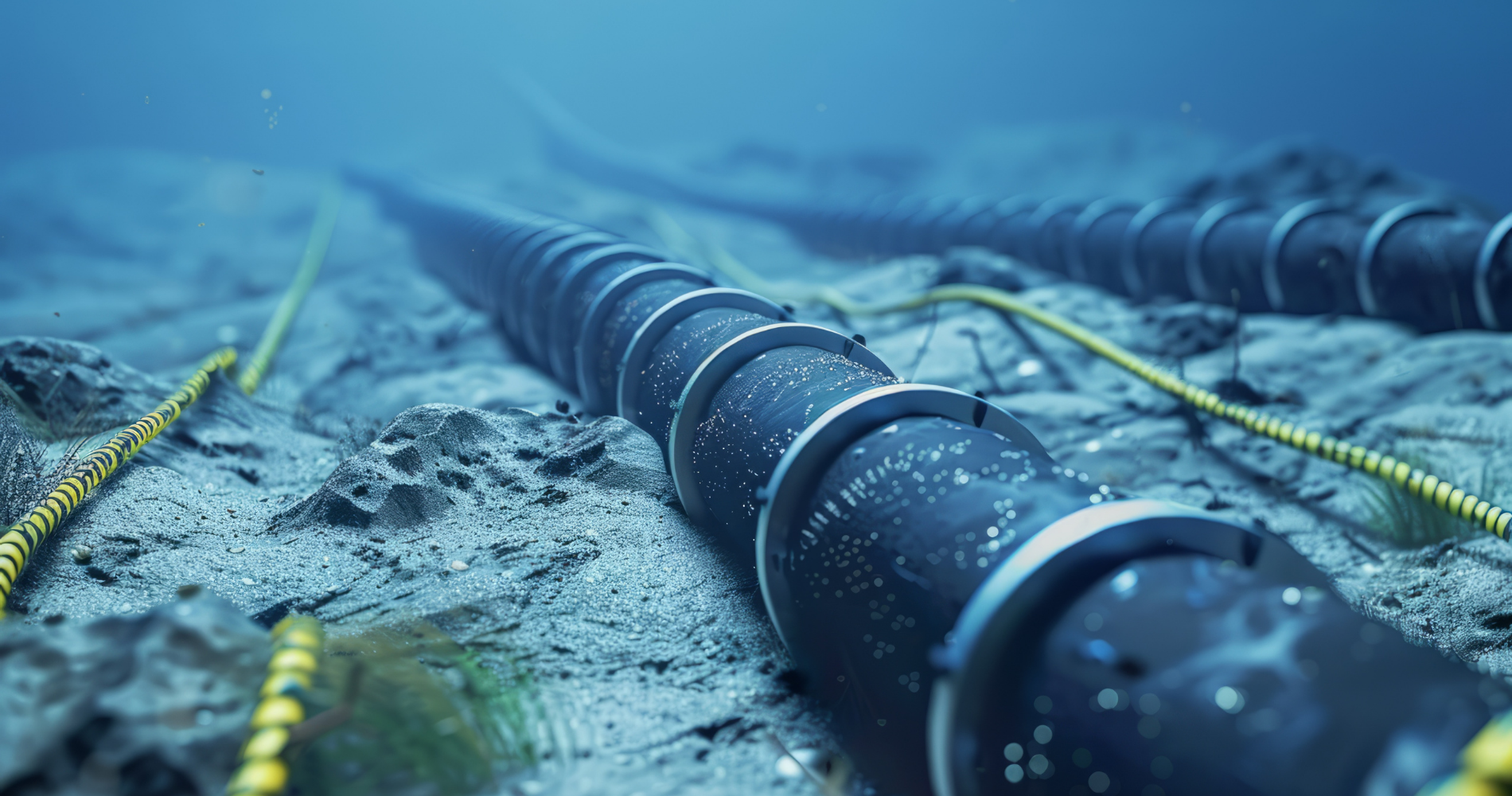
Global supply chains no longer operate solely on physical infrastructure. Alongside ports, vessels, and transport routes, there is another critical yet largely invisible element that ensures the continuity of trade: data flow. A significant portion of this data flow is enabled by undersea fiber-optic cables.
Today, the movement of goods is made possible not only by physical transportation but also by digital processes operating simultaneously. Customs procedures, payment networks, container tracking, carrier communication, and supply chain platforms all depend on uninterrupted data flow. This makes undersea cables one of the fundamental infrastructures of the logistics sector.
The Definition of Bottlenecks in Logistics Is Changing
For many years, the term “bottleneck” in logistics referred to physical locations such as the Suez Canal, the Panama Canal, the Strait of Hormuz, or congested ports.
However, this definition is no longer sufficient.
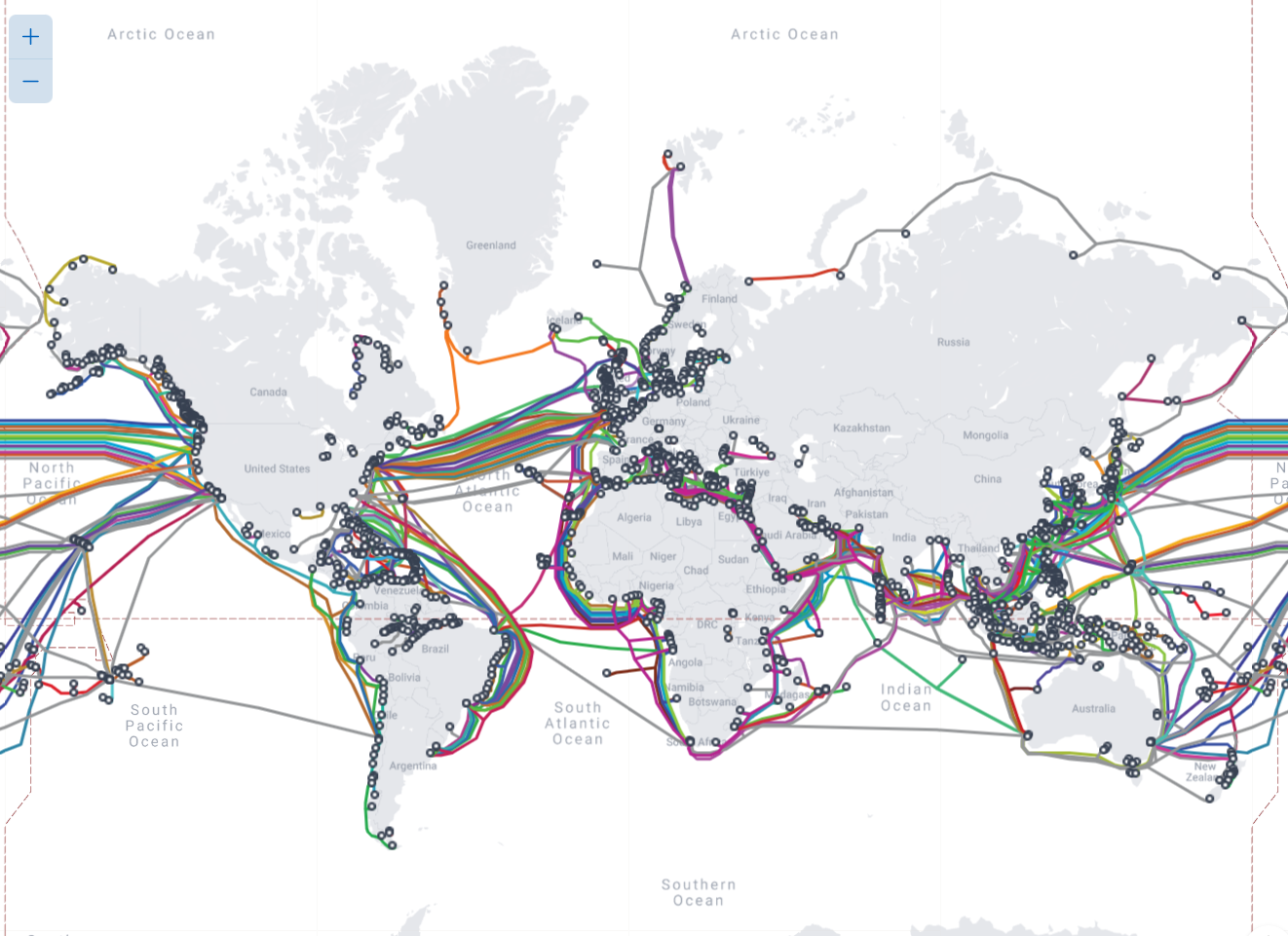
Today, global trade depends not only on physical but also on digital chokepoints. Submarine cables laid on the ocean floor carry the data layer of the global economy. Through this infrastructure:
- financial transactions are conducted
- cloud systems operate
- logistics visibility is ensured
- production and supply processes are coordinated
For this reason, undersea cables are no longer just elements of telecommunications, but have emerged as an integral part of the operational infrastructure of global trade.
Digital Disruptions Can Halt Physical Flows
Disruptions in supply chains are usually visible when they occur in physical operations. However, digital disruptions are often noticed later and can escalate rapidly.
When a data flow is interrupted:
- container tracking may stop
- customs procedures may be delayed
- delivery planning may be disrupted
- payment processes may become uncertain
For this reason, issues in digital infrastructure can create a multiplier effect that directly impacts physical transportation.
Digital Infrastructure Becomes Critical as Geopolitical Risks Increase
In recent years, strategically important regions such as the Strait of Hormuz have become focal points not only for energy and maritime transport but also for data infrastructure. This shows that digital networks have become part of geopolitical dynamics.
Today, a country does not need to disrupt physical flows to impact supply chains. Slowing down data transmission or interfering with communication networks can produce similar outcomes.
This new reality reveals that global logistics has evolved into a multi-layered system where:
- physical
- energy
- digital
- financial
layers operate in an interconnected way.
Türkiye’s Digital Logistics Network
Due to its geographic location, Türkiye is emerging as a key transit point not only in physical trade routes but also in digital data infrastructure.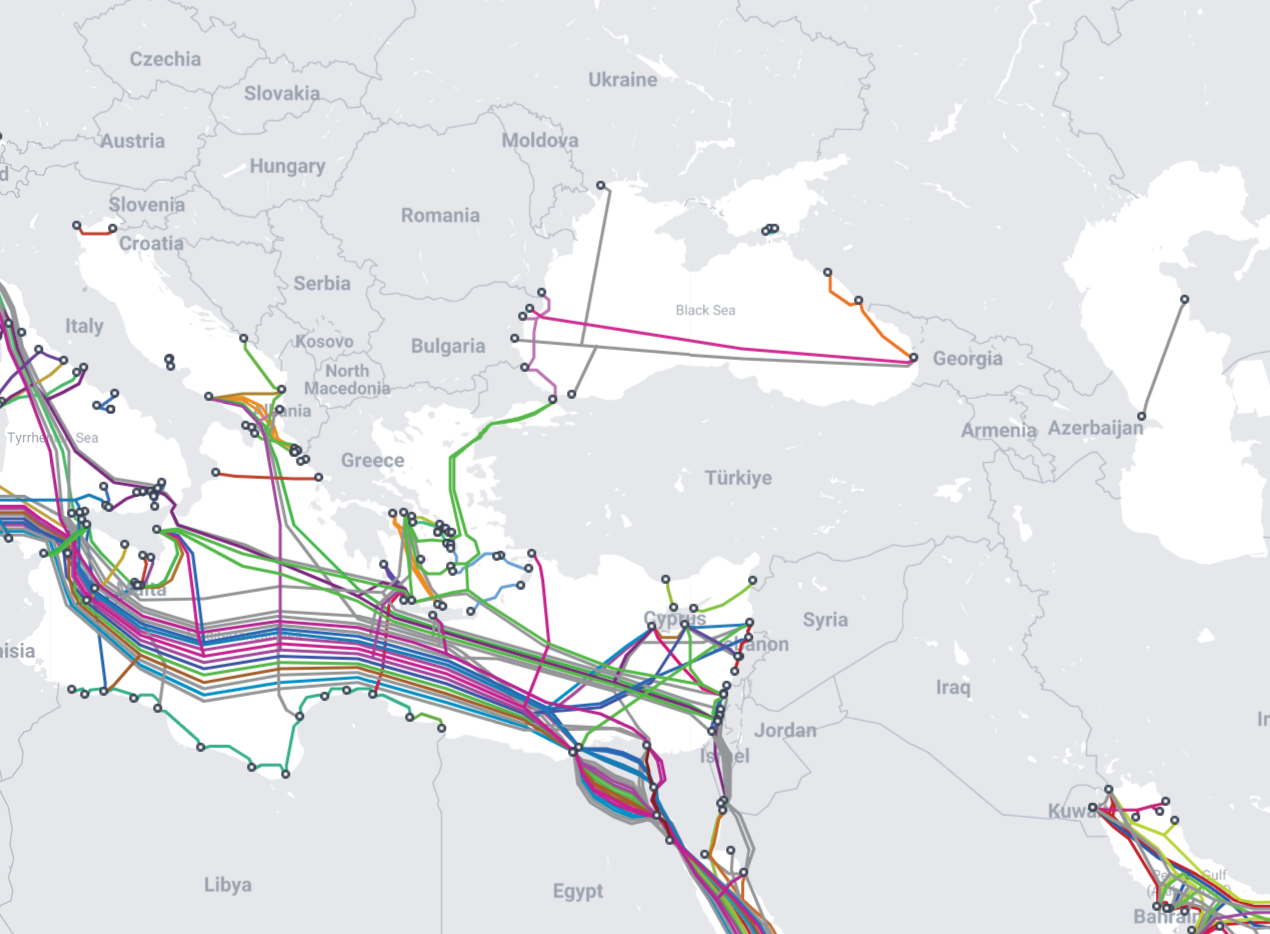
As of 2026, the undersea cables passing through Türkiye include:
KAFOS (Black Sea Fiber Optic System)
- Length: 538 km
- Route: Bulgaria – Romania – Türkiye (İğneada, Istanbul)
- Operator: Turk Telekom International
TURCYOS-1 and TURCYOS-2
- Provide connectivity between Türkiye and Northern Cyprus
- Play a critical role in regional data flow
MedNautilus
- Length: 7,000 km
- Connects Türkiye to European and Mediterranean networks
- Istanbul is one of the key landing points
SEA-ME-WE 5
- Length: 20,000 km
- Covers the Asia – Middle East – Europe corridor
- Marmaris in Türkiye is one of the landing points
KARDESA (Planned for 2027)
- Will connect Türkiye, Bulgaria, Georgia, and Ukraine
- Capacity: Designed to exceed 500 Tbps
- Expected to strengthen Türkiye’s role with a landing point in Istanbul–Şile
Rising AI Adoption Increases Data Dependency
As the use of artificial intelligence increases in supply chains, dependency on data continues to grow.
Today, companies require real-time data for:
- demand forecasting
- route optimization
- operational planning
- risk analysis
This makes undersea cables not only supporting infrastructure but also a critical component of decision-making processes.
Redefining Resilience in the New Era
Traditional supply chain risks remain important. However, the concept of resilience has expanded significantly.
Companies must now focus not only on:
- alternative suppliers
- inventory planning
- logistics flexibility
but also on:
- data continuity
- system redundancy
- digital infrastructure security
Source: Submarinecablemap


 Popular News
.png)