

Türkiye Transported 25.3 Million Tons of Freight by Rail in 2025
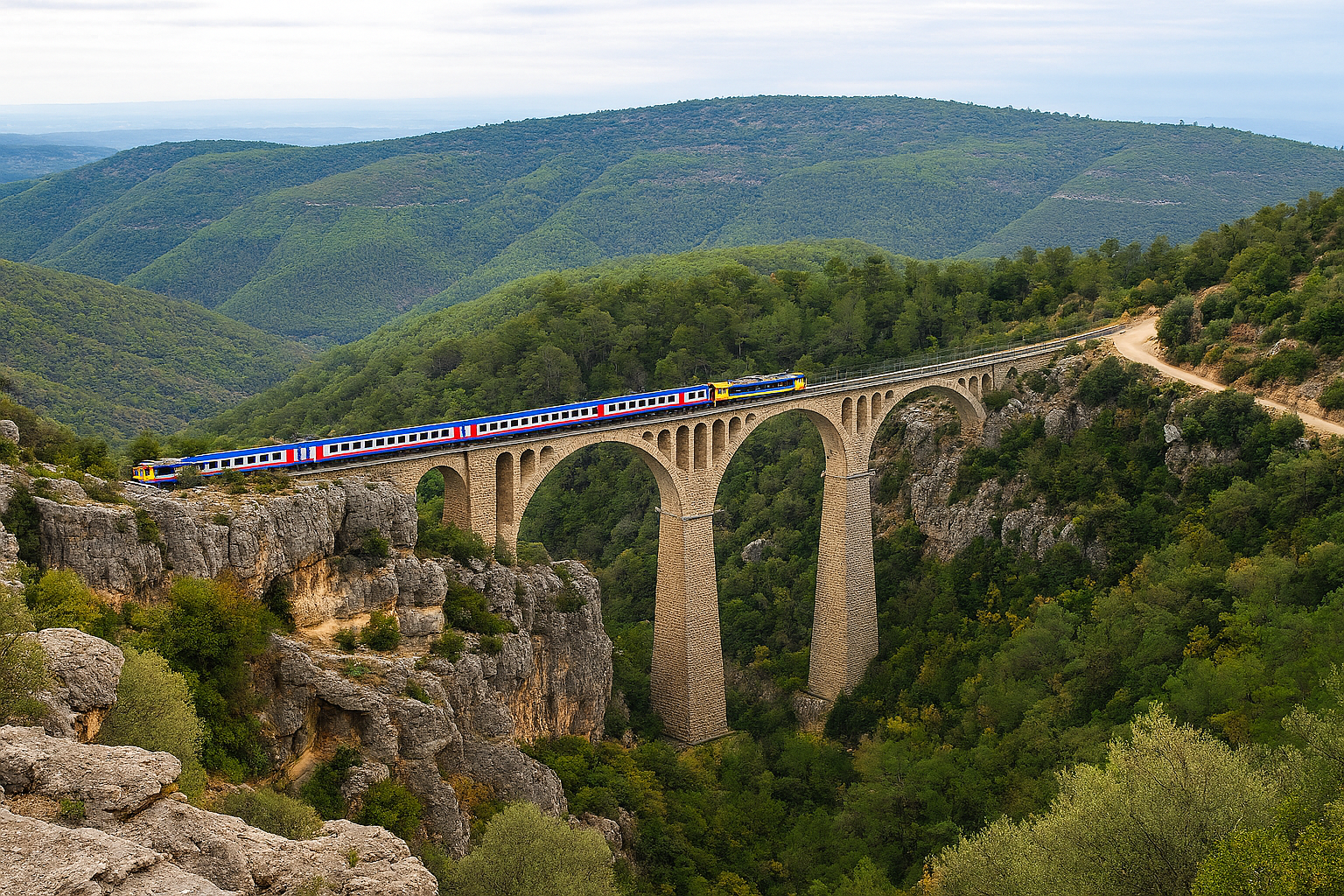
Ufuk Yalçın, General Manager and Chairman of the Board of TCDD Taşımacılık A.Ş., announced that Turkey transported 25.3 million tons of freight by rail in 2025. Yalçın emphasized that with efforts ranging from the Middle Corridor to Marmaray, and from port connections to digitalization investments, Turkey aims to become a “green bridge” in regional and global trade.
Rail Freight Target for 2026 Is 25.5 Million Tons
Evaluating 2025 as a productive year in which planned and consistent work produced results, Yalçın stated that total transport reached 22.1 million tons domestic and 3.2 million tons international, amounting to 25.3 million tons. TCDD Taşımacılık aims to increase this to 25.5 million tons in 2026, with 22.1 million tons domestic and 3.4 million tons international.
The Middle Corridor Elevates Turkey to a Strategic Position in Global Logistics
Highlighting Turkey’s advantages stemming from its geostrategic location, Yalçın stated that Turkey’s role along the Trans‑Caspian International Transport Route (Middle Corridor) is strengthening.
Through the Baku–Tbilisi–Kars (BTK) Railway, one of the key components of this corridor, transport times—which take 20 days via the Northern Corridor and 60–90 days via the Southern Corridor—are reduced to 10–15 days. Medium‑term plans aim to reduce this to 10 days, while long‑term goals include operating 1,500 block trains annually on this route.
The uninterrupted Asia–Europe connection provided by Marmaray also enables cargo arriving from China to be transported to Europe without stopping. Additionally, the Bandırma–Tekirdağ Train Ferry Line, launched in 2025, offers an alternative route for freight that cannot pass through Marmaray.
Yalçın noted that the EU’s mandatory green logistics policies make Turkey more attractive for transit transportation due to rail’s lower carbon emissions compared with road transport.
In line with the 2053 Transport and Logistics Master Plan, TCDD Taşımacılık is modernizing its fleet with new‑generation, environmentally friendly locomotives, gradually electrifying its railways, and integrating green transport principles into operations. Yalçın added, “This approach transforms Turkey into not only a transportation corridor but also a ‘green trade bridge.’”
Railway Network to Reach 17,000 Kilometers by 2028
Yalçın stated that raising rail’s share in transport investments above 50% has directly reflected on the sector, and announced that the rail network is planned to expand to 17,287 km by 2028.
In 2025, the fleet was strengthened with 16 E5000 National Electric Locomotives and 673 freight wagons, including 100 military tank carriers. Additionally, plans include increasing the number of logistics centers from 12 to 25 and raising the proportion of electrified and signaled lines.
Port and Logistics Center Integration Strengthens
Yalçın noted that 23 out of 192 ports and piers in Turkey are connected to railways, and that 4.8 million tons of cargo were transported from these ports in 2025. Through 12 rail‑connected logistics centers, 5.3 million tons were transported, accounting for 21% of total freight. This integration shows that multimodal transport is playing an increasingly critical role in Turkey.
Digitalization and Smart Transport Transform Operations
Yalçın said digital solutions significantly boost competitiveness and explained the ongoing investments. With the Logistics Terminal Management System (LTYS), container processes are managed digitally end‑to‑end, and customer requests and freight orders are tracked in an integrated digital infrastructure via the Enterprise Resource Management System, KTYS, and MTYS.
Yalçın noted that with the Vehicle Location Inquiry System, all wagons and locomotives can be tracked in real time. He emphasized that advanced solutions are being developed in predictive maintenance, cargo optimization, and risk analysis through big data analytics and AI‑supported applications. He also stated that the ISO 9001 certification process is near completion, strengthening the institutional structure and supporting sustainable service quality.
Turkey’s 2030 Vision for Rail Transport
Yalçın stated that approximately 500,000 tons of freight are transported annually via the BTK line, and that regular China–Europe rail transport effectively began in 2025, with 12 trains having reached their destinations to date.
The 2030 vision includes increasing the capacity of the BTK line, expanding it with new destinations, and integrating it with the Development Road Project and the Zangezur Corridor.
Rail transport strengthens Turkey’s role as a natural bridge between Asia, Europe, and Africa by integrating modern technologies, making the country an indispensable link in the global supply chain. With digital customs applications and international cooperation initiatives, this infrastructure continues to carry Turkey’s logistics capabilities into the future of global trade dynamics.
Source: Lojistik Hattı


 Popular News
.png)