

Tax Reduction for Exporters on the Agenda
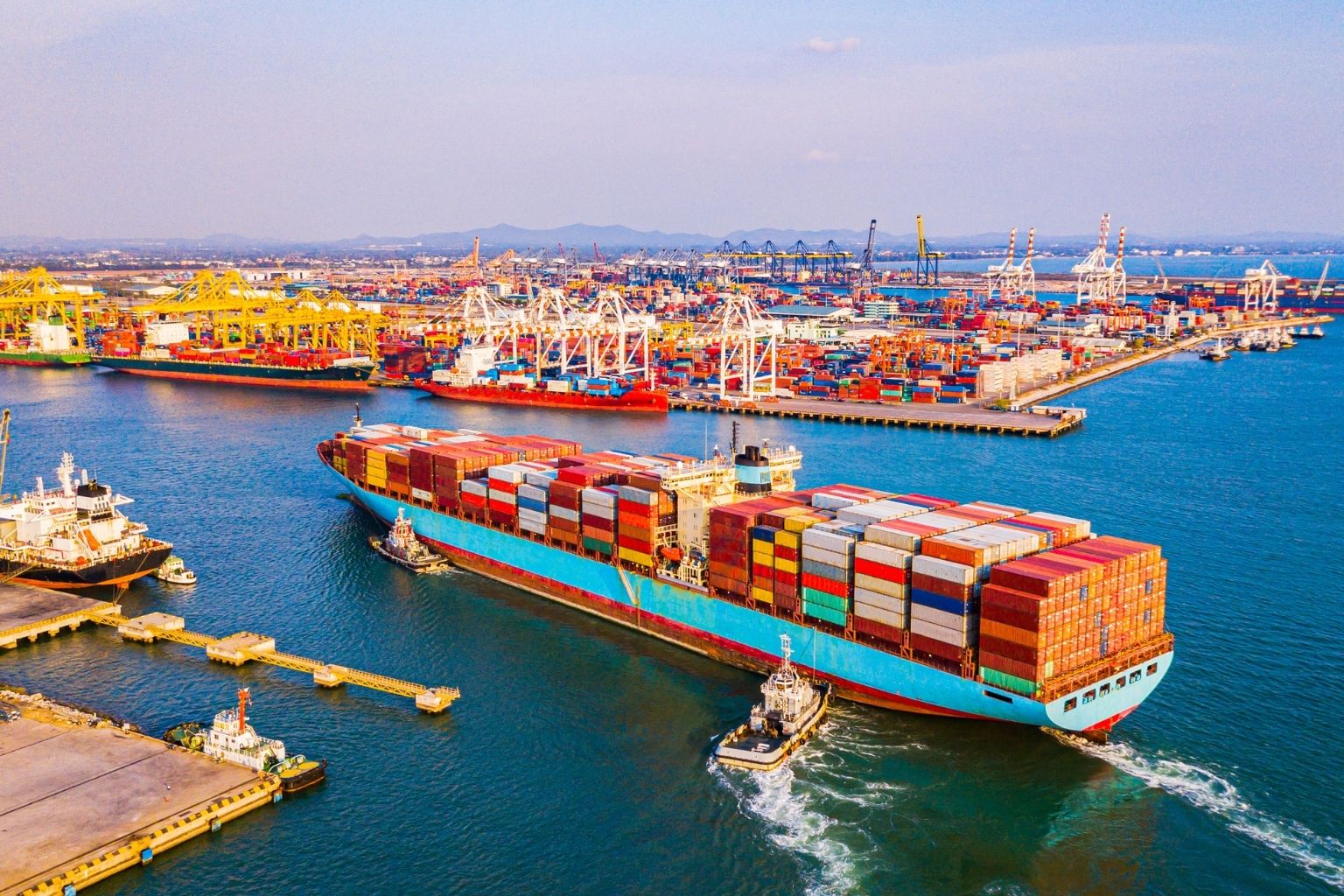
The economic administration is working on a new regulation that includes reducing corporate tax for exporting companies in order to help them maintain competitiveness amid rising costs and the global slowdown in trade. According to the information obtained, lowering the current 20% corporate tax rate specifically for exporting firms is on the table, and technical studies are ongoing.
Exporters’ Cost Burden Is Increasing
Turkey’s exports reached 273.4 billion dollars in 2025, marking an all-time record and accounting for approximately 17% of the country’s economy. However, global geopolitical tensions in early 2026, vulnerabilities in supply chains, and particularly the closure of certain sea routes due to the war in Iran have significantly increased exporters’ costs. Fluctuations in logistics expenses and a rise of up to 20% in raw material prices are pressuring company profitability.
A nearly 40% drop in exports to Gulf countries over the past month has made the pressure in the sector more visible, and many exporters are struggling to maintain competitiveness due to rising costs. This situation has become more pronounced with mandatory route changes in logistics corridors, increased insurance costs, and extended delivery times.
Foreign trade data published by the Ministry of Trade also reveal the slowdown in the sector. In February 2026, exports rose 1.5% year-on-year to reach 21 billion dollars, while imports increased 5.5% to surpass 30 billion dollars. During the same period, the foreign trade deficit climbed to 9 billion dollars. In the January–February period, exports decreased by 1.3% compared to the previous year, while imports increased by 2.8%, showing that the cost pressure on exporters has also begun to affect volumes.
As of February 2026, the annualized export value stood at 272.8 billion dollars. Although this figure indicates that the upward trend is sustained, the slowdown in the growth rate is noteworthy. Meanwhile, the foreign trade deficit approaching 94 billion dollars underscores the need for new support mechanisms to stabilize Turkey’s trade balance.
Sector representatives emphasize that, in addition to a corporate tax reduction, financing and cost-related items should also be supported. Increasing the foreign exchange conversion incentive from the current 3% to 8%, enhancing employment supports particularly in labor-intensive sectors, and lowering Eximbank rediscount credit costs from the current 26% level to around 20% are among exporters’ top demands.
Manufacturing, which accounts for the majority of Turkey’s exports, constituted 93.8% of total exports in February 2026. This ratio indicates that a tax reduction would have a broad impact, especially on firms with strong production and logistics capacity. Given the high costs faced by industry-based exporters in energy, raw materials, and logistics, the planned tax regulation becomes even more critical.
The logistics sector has been affected in parallel with exporters during this period. Increased route changes due to geopolitical risks are pushing up costs in land, sea, and air transportation. In particular, disruptions on routes passing through Iran are extending transit times on alternative lines and increasing insurance and security expenses. For this reason, a tax incentive for exporters is seen as a crucial tool to offset part of the rising logistics costs.
Although the details of the regulation being developed by the economic administration have not yet been finalized, industry experts note that the tax reduction will be an important step toward maintaining foreign trade targets throughout 2026. As Turkey aims for new records in goods exports and seeks to expand its market share in services exports, the introduction of financial incentives to support exporters is expected to also strengthen the logistics sector.
Source: Bloomberg HT


 Popular News

.png)