

Japan Repurposes Shinkansen Bullet Trains for High‑Speed Freight
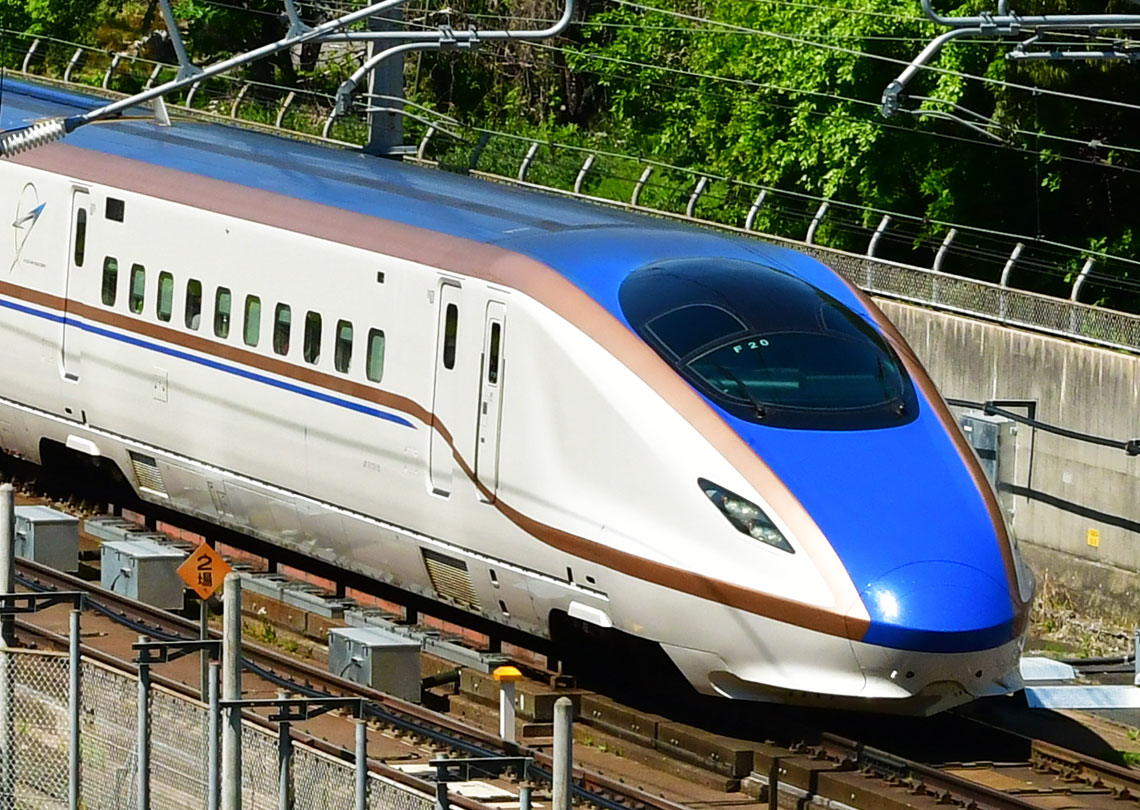
Japan is repurposing its iconic Shinkansen bullet trains through the introduction of high‑speed freight services, as rail operators begin adapting selected trainsets for cargo operations. The initiative aims to relieve growing pressure on the country’s logistics sector while improving overall transport efficiency.
In recent years, Japan’s transport and logistics sectors have been facing significant challenges driven by demographic change. An aging population and a shrinking workforce have intensified labor shortages, particularly in freight and long‑distance transport. These structural pressures are prompting operators to reassess how existing infrastructure can be utilized more effectively.
Against this backdrop, JR East (East Japan Railway Company) has launched initiatives to repurpose older Shinkansen trainsets for freight operations. Selected trains are being modified with passenger seating removed and interiors reconfigured to accommodate cargo. Each adapted train can carry up to 17.4 tonnes of goods, enabling operators to make productive use of off‑peak capacity when passenger demand is lower.
This strategy supports the long‑term economic sustainability of Japan’s high‑speed rail network. By maximizing the utilization of assets that might otherwise remain idle, rail operators can improve efficiency while preserving the Shinkansen’s primary role as a passenger transport system.
Strengthening Japan’s Logistics Network Through Shinkansen Freight
The expansion of Shinkansen freight services is expected to deliver wider benefits beyond logistics, including positive impacts on Japan’s tourism sector. Faster and more reliable goods transport can enhance the availability of local produce, regional specialties, souvenirs, and time‑sensitive products such as electronics across key destinations. Fresh seafood and sushi‑grade fish, for example, can be transported more efficiently between regions, improving quality and consistency for both residents and visitors.
At the same time, shifting a portion of high‑priority cargo to the Shinkansen network helps ease pressure on road haulage by leveraging an established, high‑capacity rail system, contributing to a more balanced and resilient logistics landscape. A stronger and more sustainable rail network may also allow operators to redirect resources toward passenger‑focused enhancements, including upgraded onboard amenities and improved access to more remote regions.
By adapting one of its most recognizable transport assets, Japan is demonstrating a flexible and forward‑looking approach to infrastructure management, ensuring the Shinkansen network remains efficient, relevant, and aligned with future transport and economic challenges.
Source: Railway Supply


 Popular News
.png)