
Japan Records Its Strongest Export Growth in Three Years
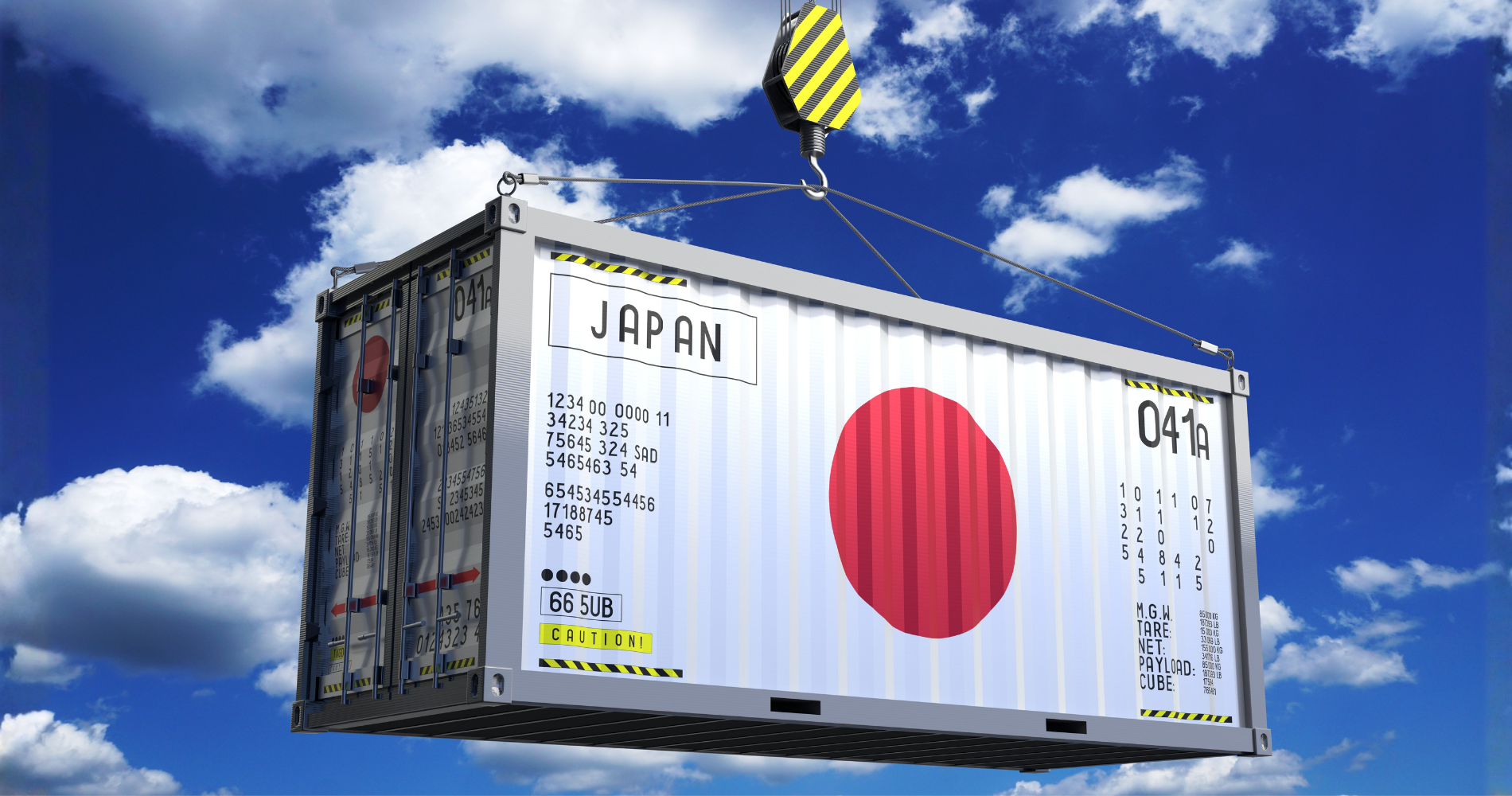
Japan’s exports recorded their strongest increase in three years in May, supported by robust demand for automobiles and AI-related semiconductors. According to the latest data, the country’s exports increased by 17% year-on-year, reaching the highest growth rate since November 2022.
The stronger-than-expected performance indicates that the recovery in the global technology sector and sustained demand for automotive products continue to positively support Japan’s foreign trade.
AI and Semiconductor Demand Boost Exports
The most notable increase in May exports was seen in the semiconductor sector. Driven by growing global demand for artificial intelligence applications, the export value of semiconductor products surged by 61.2% year-on-year.
The automotive sector also made a significant contribution to export growth. During the same period, automobile shipments increased by 16.4%.
Experts note that strong demand for high-performance chips used in AI infrastructure continues to provide a competitive advantage for Japanese technology manufacturers.
Strong Demand from China and the United States
Exports to China, Japan’s largest trading partner, increased by 17.9%, while exports to the United States rose by 12.5%.
In contrast, exports to the Middle East declined by 32% due to geopolitical developments and logistics-related pressures in the region.
This highlights the sensitivity of global trade flows to regional developments and geopolitical dynamics.
Imports Also Accelerated
Japan’s imports also showed strong performance in May. Rising by 12.5% year-on-year, imports reached their highest level since January 2025.
However, a different trend emerged in the energy sector. As a result of developments in the Middle East, crude oil imports fell by 28.5% compared to the previous year.
Growing Confidence in Manufacturing
The impact of export growth is also being felt across Japan’s industrial sector.
According to Reuters Tankan data, the confidence index among major manufacturers increased from +8 in May to +13 in June. Improvements were also recorded across the service and non-manufacturing sectors.
These developments indicate that export-oriented production activities continue to support the Japanese economy.
Interest Rate Increase and the Impact of the Yen
The Bank of Japan raised its policy rate by 25 basis points to 1% in response to rising inflation and currency pressures.
While a weaker yen supports the revenues of export-oriented companies, it also increases the cost of imported goods, creating inflationary pressure in the domestic market. Part of the increase in export revenues during May is also attributed to currency effects.
Logistics and Supply Chain Perspective
Japan’s export performance provides important signals for global logistics and supply chains:
- Rising demand for AI-driven semiconductors continues to strengthen technology logistics.
- Growth in automotive exports is supporting vehicle shipments across maritime transport networks.
- Cargo volumes on China and U.S. trade lanes remain strong.
- Geopolitical risks continue to place pressure on certain regional trade corridors.
With a 17% increase in exports in May, Japan delivered one of its strongest foreign trade performances in the past three years. While global demand for AI technologies and strong automotive sales supported export growth, logistics networks and international trade corridors also played a crucial role in sustaining this momentum.
For your import and export shipments to and from Japan, you can receive instant quotations through Shipeedy.com and digitally track your shipments end-to-end with full transparency.
Source: Bloomberg HT


 Popular News

.png)