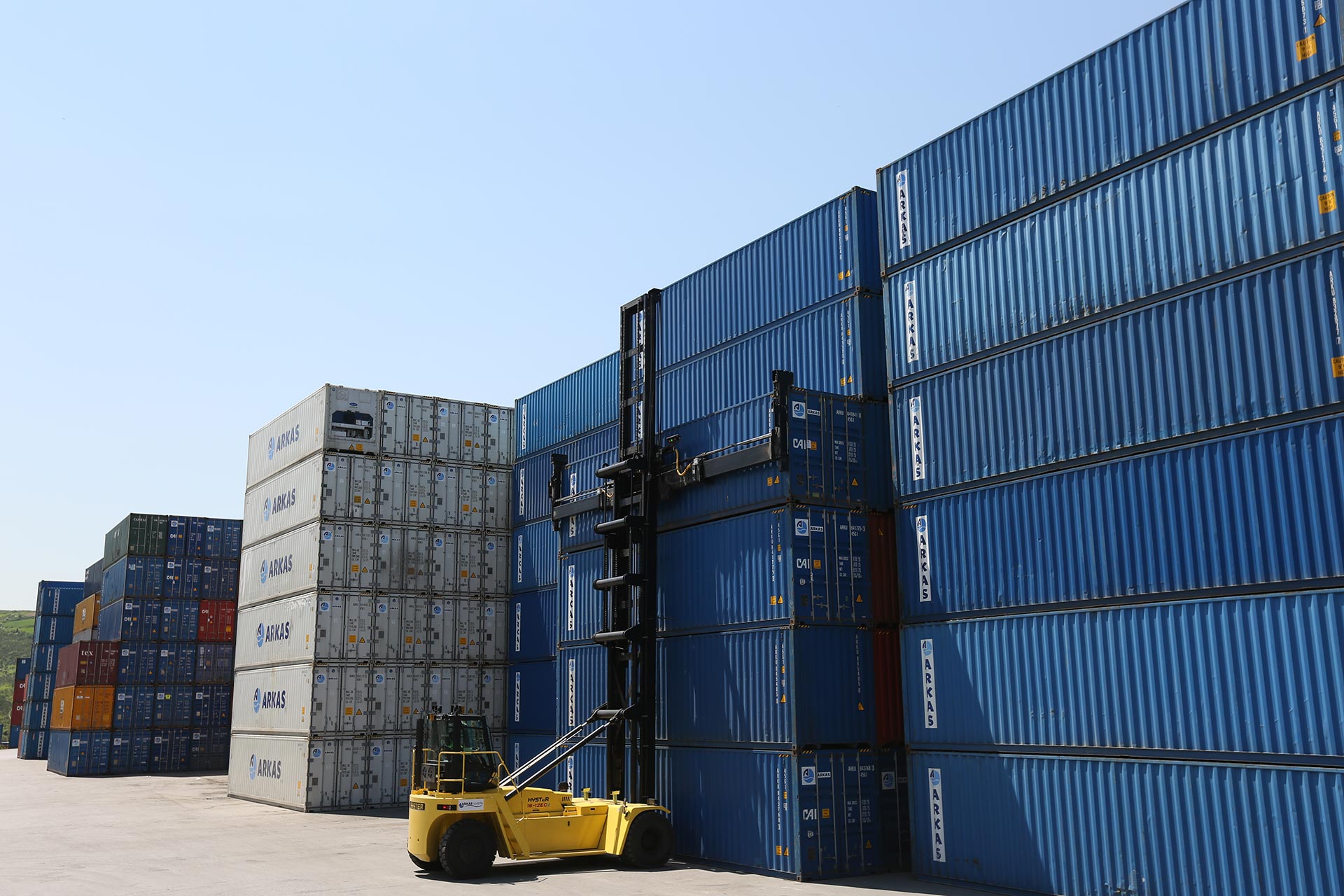

Humanoid Robots Deployed at China’s Mega Postal Center
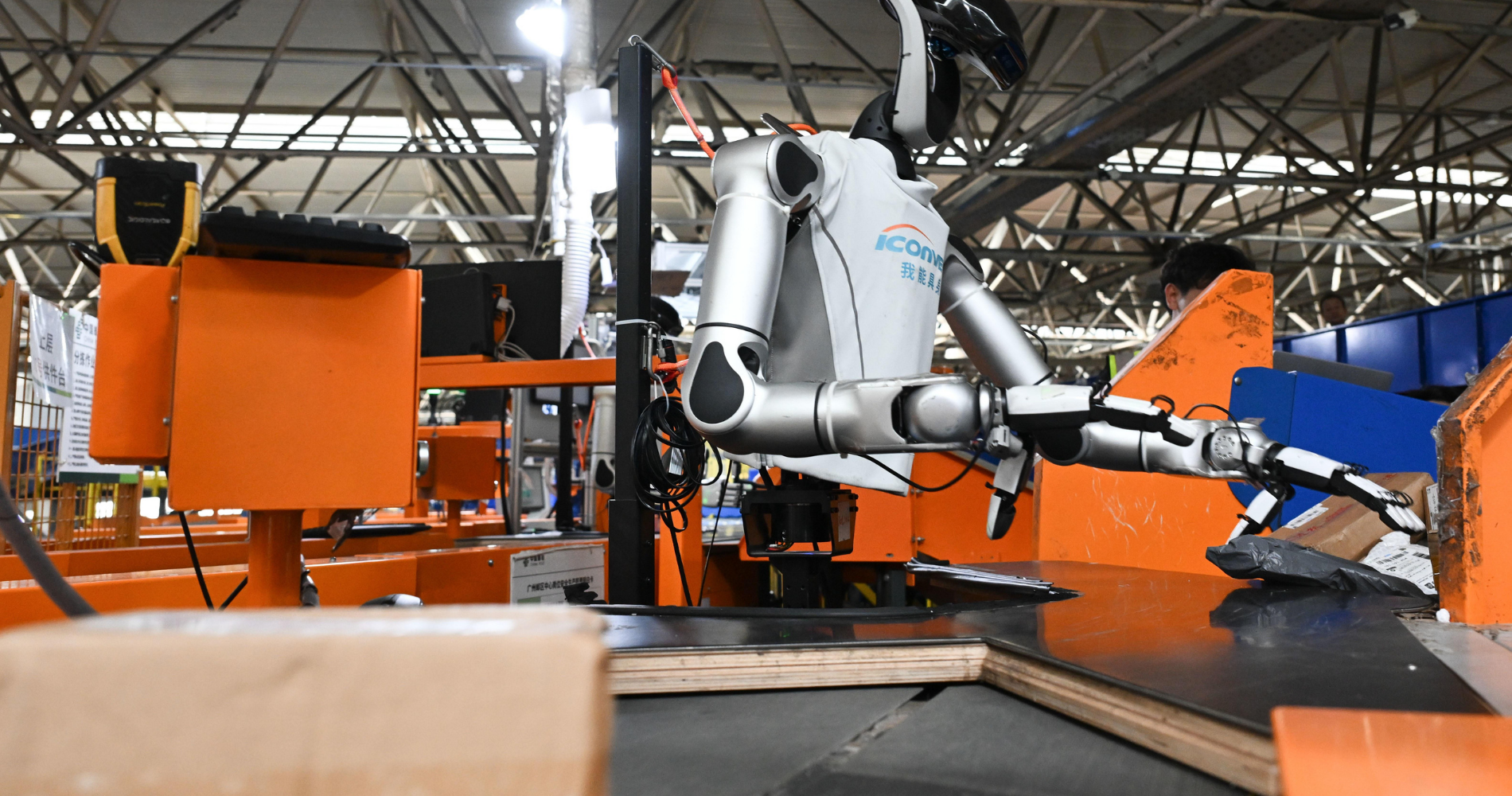
China has taken automation in postal and logistics operations to a new level by actively deploying humanoid robots. The systems introduced at the Jianggao logistics facility in Guangzhou stand out as one of the first large-scale implementations of human-like robotics technology in warehouse and sorting processes.
The new generation robots operate with a capacity to sort 1,200 packages per hour, while the facility handles an average of 6.5 million shipments per day. During peak periods, this capacity is reported to exceed 10 million items.
Autonomous Systems Become the Core of Operations
Logistics hubs are increasingly turning to automation due to rising e-commerce volumes and growing demand for speed. The facility in Guangzhou serves as a concrete example of this transformation.
Within the facility:
- humanoid robots are used in package sorting processes
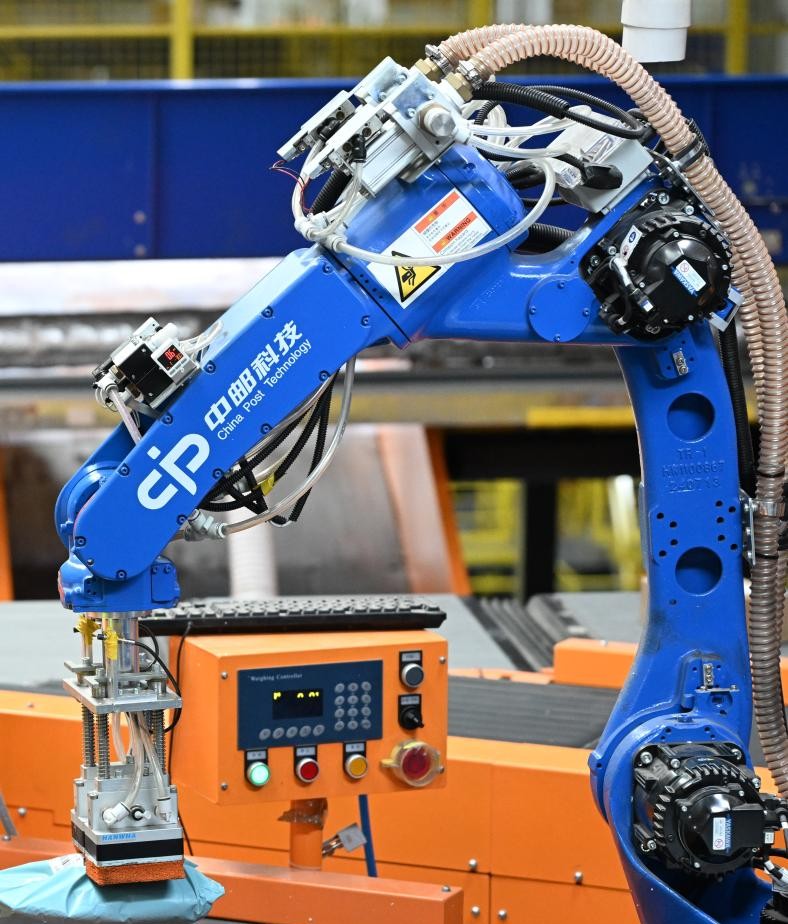
- robotic arms support sorting lines
- autonomous forklifts handle internal transportation
This integrated structure minimizes human intervention while enabling continuous and high-volume operations.
Humanoid Robots Provide Flexibility
Unlike traditional robotic systems, which are typically fixed and task-specific, humanoid robots offer significantly greater flexibility.
These robots can:
- move freely within warehouse environments
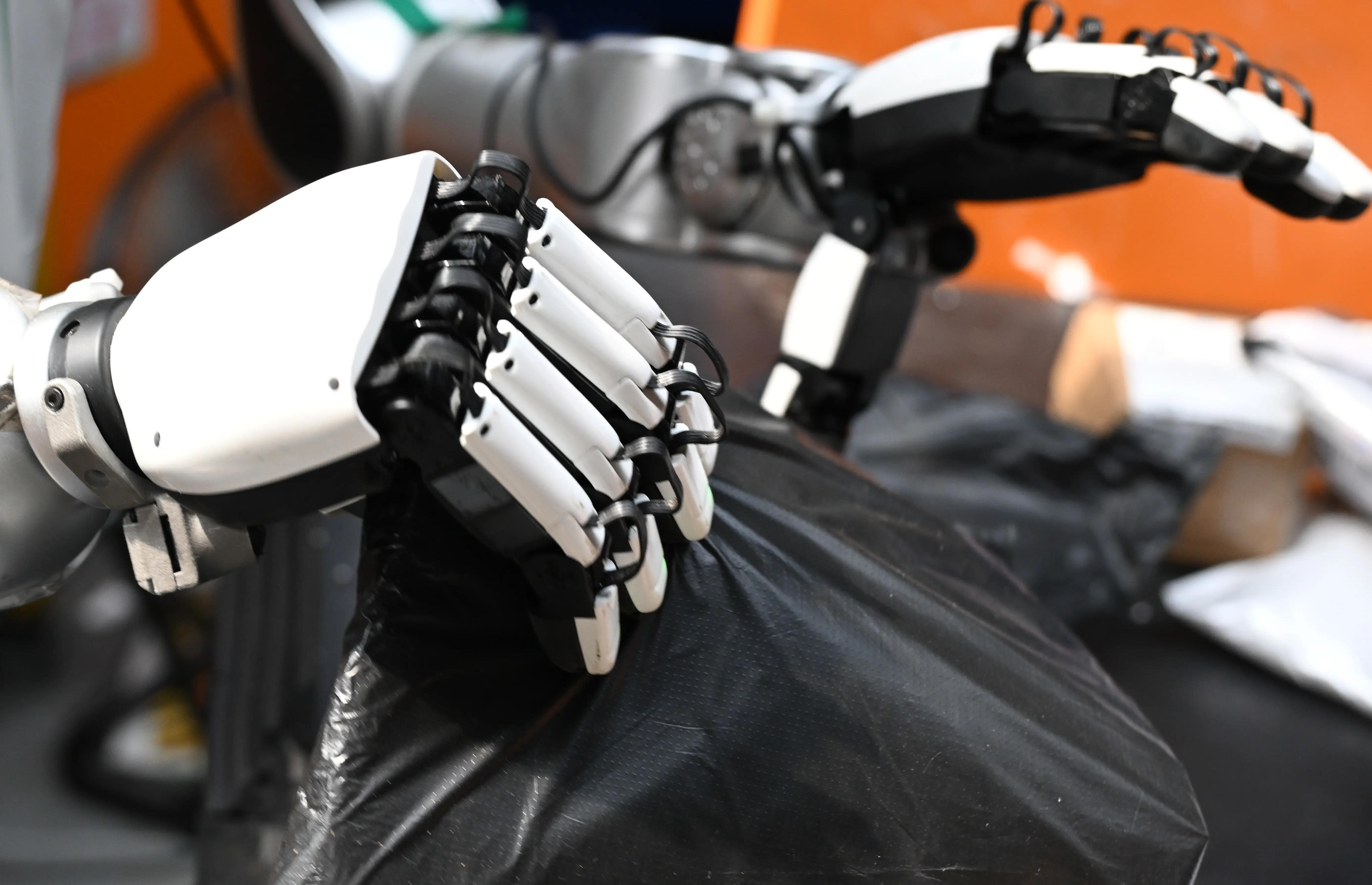
- identify packages and place them onto sorting lines
- adapt to different operational needs and perform multiple tasks
One of their most important advantages is their ability to integrate into existing warehouse infrastructure without requiring major modifications.
Toward Full Autonomy in Logistics
Although automation has been used in logistics for years, the introduction of humanoid robots represents a new phase for the industry.
Warehouses and postal centers:
- operate continuously 24/7
- process large volumes of shipments
- must cope with constantly increasing e-commerce demand
For these reasons, they are considered among the most suitable environments for autonomous systems.
During peak periods, these robots offer the potential to:
- increase processing capacity
- reduce operational costs
- accelerate workflows
Opportunities and Challenges
Despite their advantages, experts highlight several critical considerations regarding the widespread adoption of humanoid robots:
- long-term durability
- maintenance costs
- efficiency compared to traditional automation systems
While humanoid robots offer flexibility, their complex mechanical structure continues to raise questions regarding cost and long-term sustainability.
China’s investments in humanoid robotics indicate that the logistics sector is moving rapidly toward full autonomy.
This development suggests that future warehouse and distribution operations will be managed:
- with less human intervention
- at higher speeds
- with lower operational costs
In the coming period, competition in the logistics sector will no longer be defined solely by capacity, but by automation level and artificial intelligence capability.
Source: English News


 Popular News

.png)