

Geely Introduces China’s New Robotaxi EVA Cab
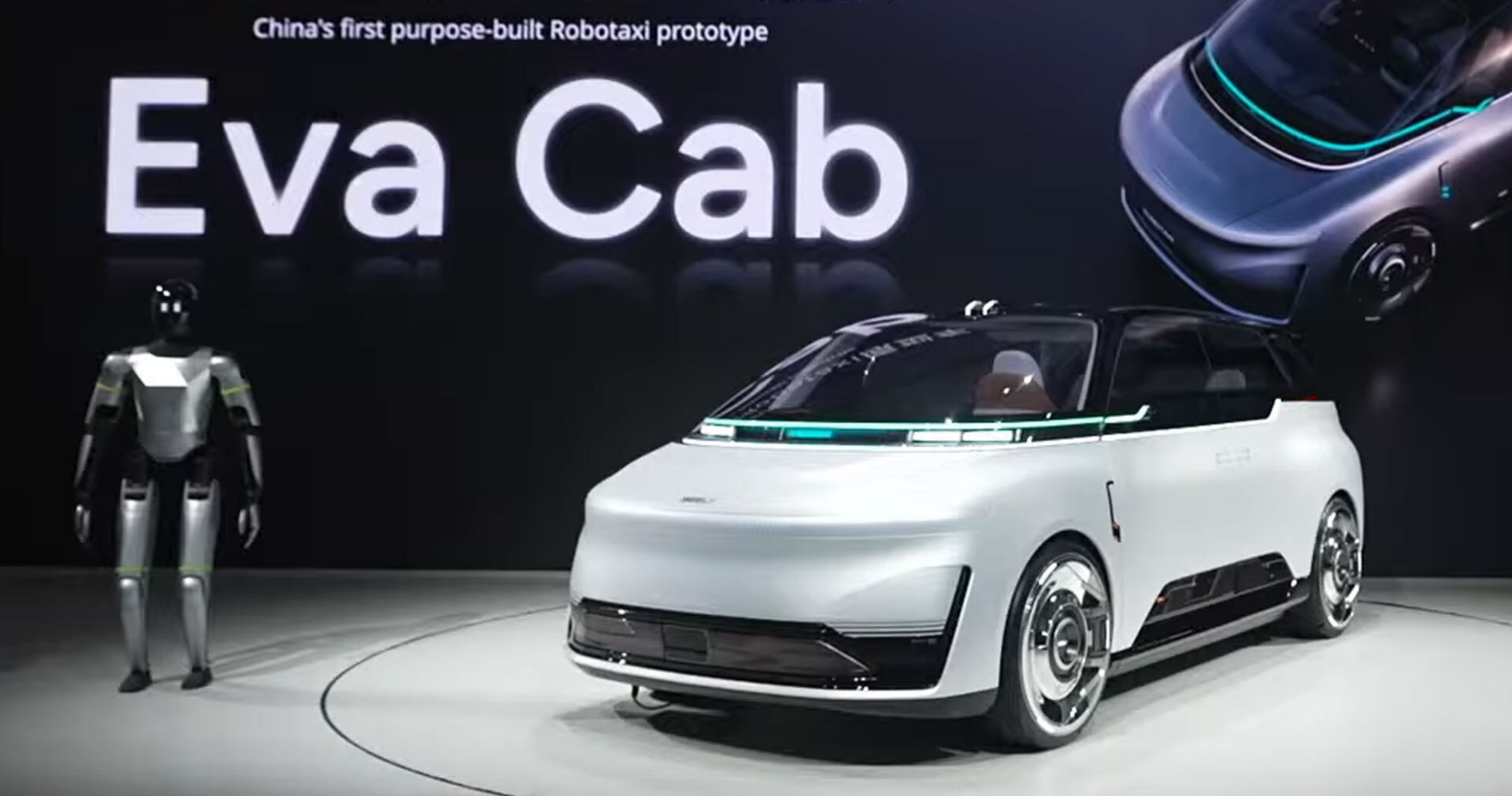
China-based automotive company Geely unveiled EVA Cab, China’s first domestically developed, purpose-built robotaxi prototype, at the 2026 Beijing Auto Show. The model features Level 4 autonomous driving capabilities and is planned to enter mass production, with commercial robotaxi services expected to begin in 2027.
Level 4 autonomous driving technology—currently used by U.S.-based robotaxi leader Waymo—enables a vehicle to independently handle all driving tasks, including steering, braking, speed control, and route management, without human intervention in predefined areas and under suitable conditions.
Key Features of the Geely EVA Cab
The new EVA Cab stands out with its H9 high-level autonomous driving system, which operates in integration with the 196-billion-parameter Step 3.5 large AI model. Geely states that this system delivers 1,400 TOPS of computing power and can reach an inference speed of 350 TPS. As a result, EVA Cab can make decisions up to three times faster than human drivers and autonomously manage 99% of daily driving scenarios, including complex conditions such as manual toll booths and unmarked rural roads.
At the core of this architecture is Geely’s system known as the World Action Model (WAM). By advancing beyond the traditional “perceive–decide” approach, WAM offers a closed-loop model that combines macro-level route planning with micro-level real-time decision-making. Thanks to this, EVA Cab is said to possess a structure that can “think and evaluate” like an experienced driver in irregular road conditions and complex traffic interactions.
In addition, EVA Cab is equipped with advanced hardware consisting of 43 perception components, including LiDAR and high-resolution cameras. Its three-layer, 360-degree perception network eliminates blind spots and continuously monitors environmental elements such as pedestrians, vehicles, and obstacles, helping to reduce driving risks. Geely reports a 95% success rate in scenarios involving complex maneuvers, emphasizing this performance as a key indicator of human-like driving capability.
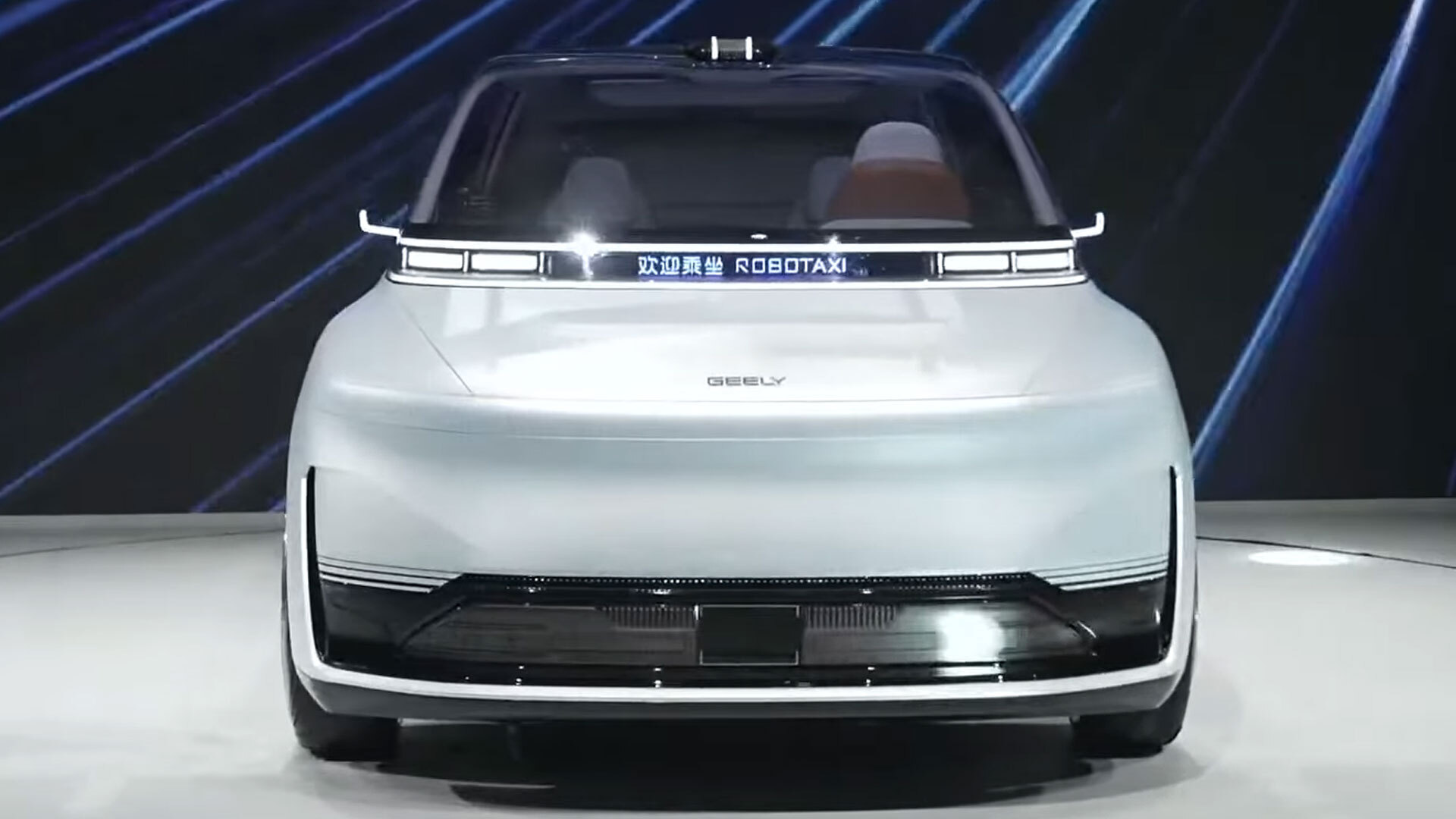
In terms of design, EVA Cab moves away from the traditional cockpit concept by completely eliminating the steering wheel and conventional control components. The vehicle also incorporates Geely’s AI-powered digital chassis technology with a response time of 4 milliseconds. This system aims to provide “active safety and loss-free control driving” for passengers by automatically performing risk-avoidance maneuvers under challenging conditions.
Developed in collaboration with CaoCao Mobility, EVA Cab is expected to compete with companies such as Uber and Waymo, strengthening the global competitiveness of China-based autonomous driving solutions.
Source: Carscoops


 Popular News

.png)