

Electric and Autonomous Tesla Semi Truck Enters the Field

As of 2026, road freight transportation is experiencing one of the most profound transformations in its history. Electrification and autonomous driving technologies, which for many years were considered future concepts, have now evolved into active operational solutions. At the center of this transformation stands Tesla Semi.
Tesla’s fully electric heavy‑duty vehicle solution, the Semi, is emerging as a new benchmark in the logistics industry thanks to both its technical capabilities and the real‑world feedback gathered from field operations.
Where Does Tesla Semi Stand as of April 2026?
According to Tesla’s official data, the Semi began active deliveries in 2026 and is now being used regularly by selected logistics fleets. The vehicle is offered in two main variants:
- Standard Range version with a range of 325 miles (approximately 520 km)
- Long Range version with a range of 500 miles (approximately 800 km)
Both versions feature:
- 82,000 lbs gross combination weight,
- 800 kW motor power,
- 1.7 kWh per mile energy consumption,
and thanks to the Megawatt Charging System (MCS), they can recover up to 60% of their range in just 30 minutes (Tesla, 2026).
These specifications position the Semi as the first truly viable electric alternative for long‑haul heavy‑load transportation.
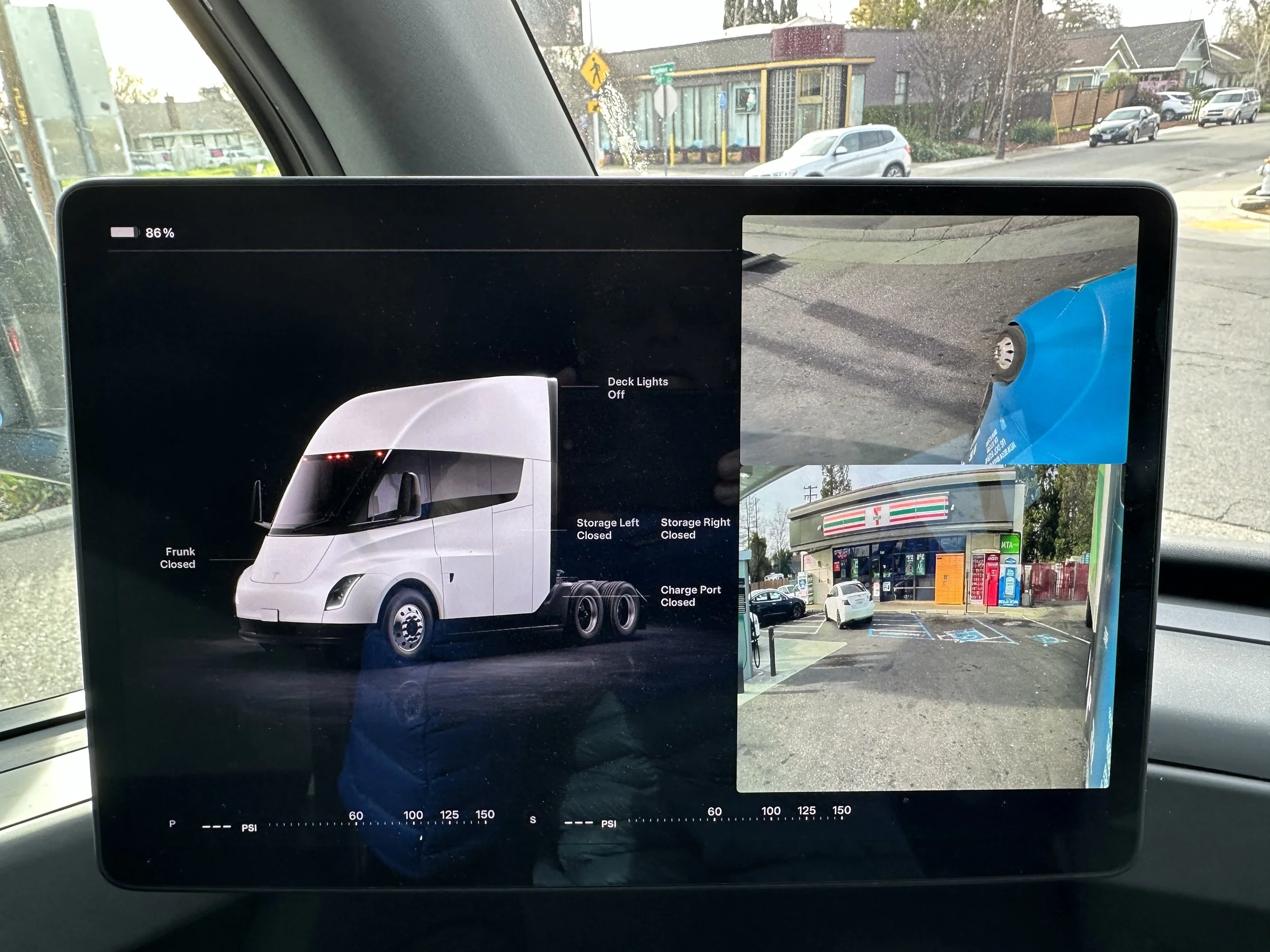
Driver Experience
In reports published by The Wall Street Journal, Tesla Semi is highlighted not only for its engineering achievements but also for the difference it makes in driver experience.
Key feedback from real‑world operations includes:
- Improved visibility thanks to a central driving position,
- Strong performance on hilly routes with no loss of speed compared to diesel trucks,
- Extremely quiet and vibration‑free driving,
- A combination of fast charging and long range that simplifies shift planning.
Many fleet operators emphasize that Tesla Semi offers a significant advantage in terms of total cost of ownership (TCO) when compared to traditional diesel trucks.
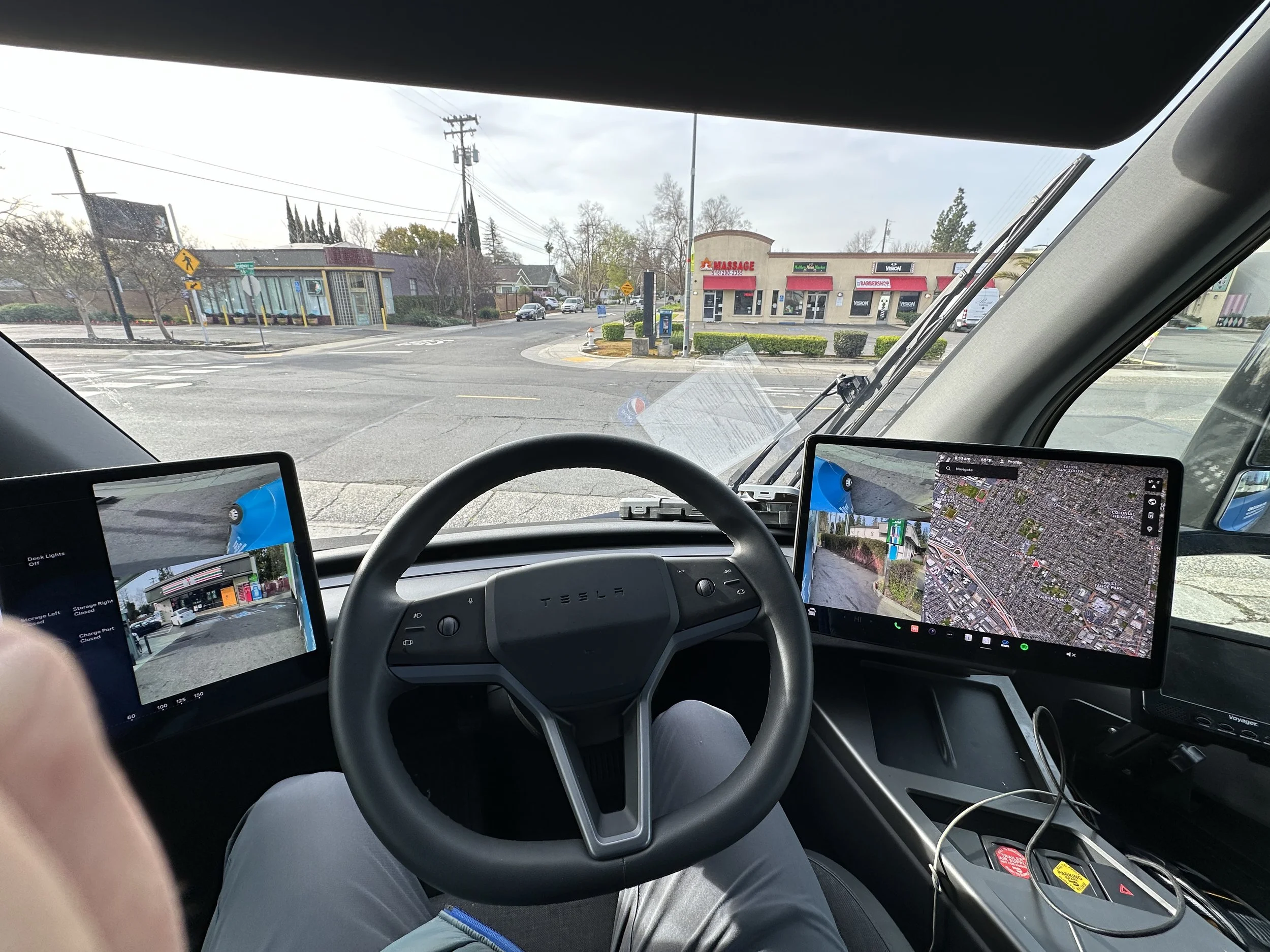
As Important as Electrification Autonomous Freight Models
Although Tesla Semi is not yet fully autonomous, it has been designed to be compatible with autonomous transportation architectures. According to analyses by Logistics Viewpoints, the autonomous trucking market is no longer converging toward a single model; instead, it is fragmenting into distinct use cases.
These scenarios include:
- Semi‑autonomous long‑haul highway driving,
- Fixed‑route transport between logistics hubs,
- Electrified truck fleets supported by driver‑assist systems.
With its electric and autonomy‑ready infrastructure, Tesla Semi offers a strong transitional model within this increasingly segmented market.
Tension with Traditional Manufacturers: Is the Industry Resisting Change?
According to analyses published in Forbes, Tesla Semi’s entry into real‑world operations has created not only a technological shift but also legal and political friction for traditional truck manufacturers.
In particular, there has been an increase in litigation and lobbying activities related to:
- Emission standards,
- Incentive policies,
- Electric vehicle regulations.
However, experts point out that this situation mirrors the transformation previously seen in the passenger vehicle market—now repeating itself in the heavy‑duty truck segment.
How Is the Future of Logistics Taking Shape?
As of April 2026, the outlook is becoming increasingly clear:
- Electric trucks are no longer a niche market but an operational solution,
- Autonomous systems function as support mechanisms, not standalone replacements,
- Carbon footprint pressure and cost efficiency are forcing fleets into transformation.
In this process, Tesla Semi is not just a vehicle; it is a platform redefining business models, cost structures, and driver experience.
Is Tesla Semi a Turning Point for Logistics?
At the current stage, Tesla Semi:
- Is actively used on long‑haul routes,
- Is being tested and deployed in real commercial fleets,
- Receives positive feedback from drivers,
- Provides an infrastructure aligned with the future of autonomous transport.
All of this demonstrates that electric and autonomous trucks are no longer the logistics of the future, but a core component of today’s logistics reality.
Source: The Wall Street Journey, Forbes


 Popular News

.png)