

Container Transportation Market Analysis Q1 2026
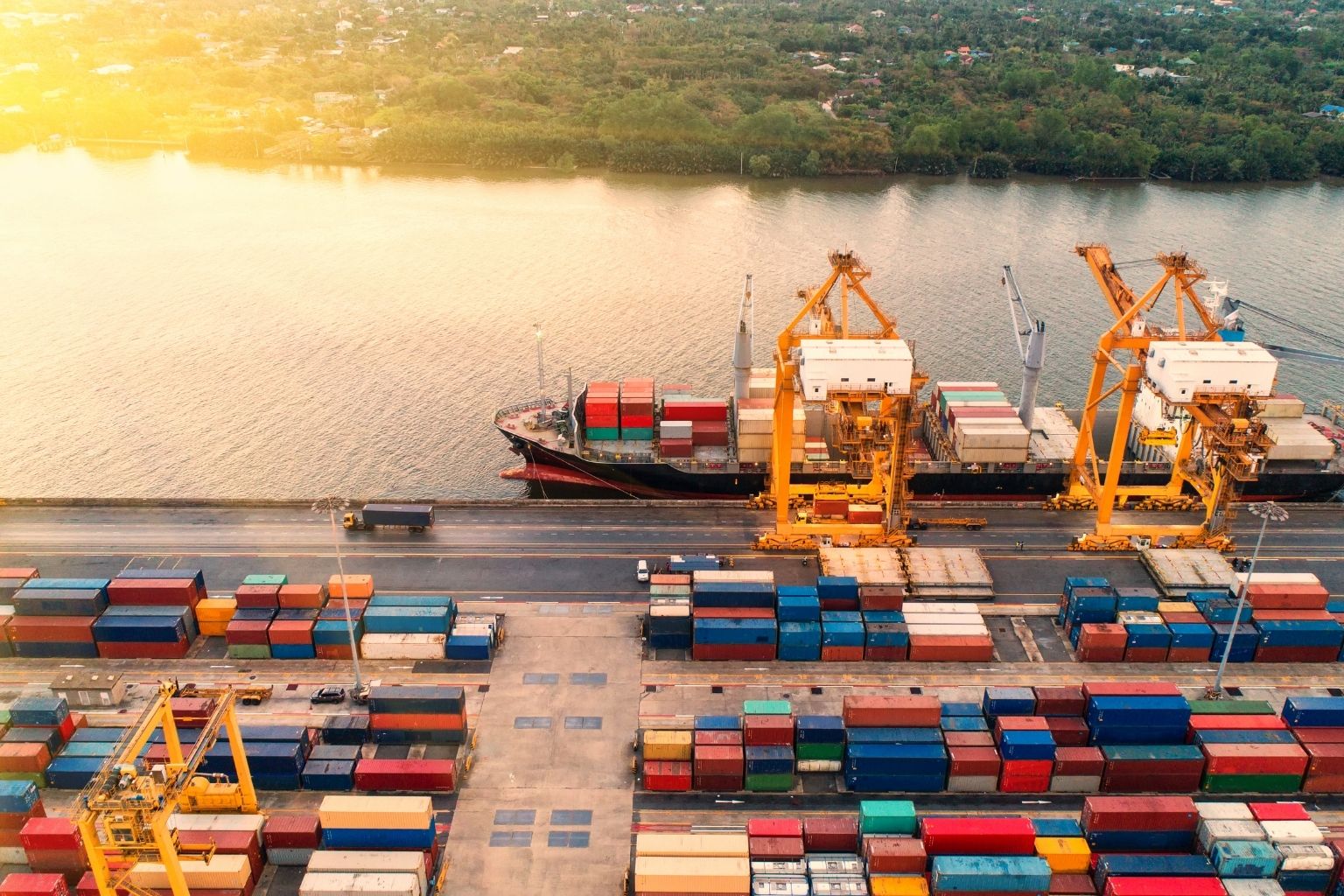
The first quarter of 2026 stood out as a period marked by high volatility, uncertainty, and rapidly changing dynamics for the global container shipping market. According to an industry analysis led by Dr. Michael Tsatsaronis of the National and Kapodistrian University of Athens, market conditions that were relatively balanced at the beginning of the year gradually shifted toward a downward trend and more cautious expectations as the quarter progressed.
Relatively Strong Start in January
In January 2026, the container market exhibited a stable outlook supported by high fleet utilization rates and limited capacity availability. Low idle fleet levels played a key role in maintaining freight rates. However, despite this positive picture, significant differences were observed across trade lanes in terms of demand fundamentals and contract durations. During this period, market participants acted selectively, prioritizing risk management and operational flexibility.
Seasonal Slowdown Takes Effect in February
By February, market conditions weakened noticeably. A slowdown in production and export activities due to the Chinese New Year exerted pressure on global container demand. This seasonal lull led to downward movements in freight rates across many trade lanes. As capacity management became more challenging, carriers implemented measures aimed at preserving operational flexibility.
Geopolitical Risks Come to the Fore in March
March emerged as the month when uncertainty was felt most strongly across the sector. Geopolitical tensions in the Middle East, disruptions in maritime transportation, and rising energy costs negatively affected market expectations. These developments prompted more cautious medium-term forecasts and increased volatility in the freight market.
High Volatility in the Freight Market
Throughout the first quarter, the container freight market reflected a structure in which supportive supply-demand fundamentals and macroeconomic risks were simultaneously at play. While capacity constraints in certain vessel segments helped stabilize prices, demand weakness became more pronounced in others. Shipping companies adopted a more cautious approach to short- and mid-term charter contracts.
Strategic Fleet Investments by Shipowners
Despite volatility in the freight market, shipowners continued to invest in fleet renewal. The analysis highlights growing interest in dual-fuel vessels and newbuildings compliant with environmental regulations. These investments are seen as strategic measures to adapt to changing trade routes and mitigate potential future operational disruptions.
Gradual Recovery in the Demolition Market
The ship demolition market, which remained subdued at the beginning of the year, showed signs of gradual recovery as the quarter progressed. Key drivers included the large number of newbuildings expected to be delivered in the coming period and the imminent implementation of stricter carbon emission standards. The removal of older and less efficient tonnage is considered a factor that could help balance potential oversupply in the medium term.
Overall Assessment
The first quarter of 2026 highlighted a period in which opportunities and risks were closely intertwined for the container shipping sector. While short-term uncertainties persist, environmental regulations, fleet renewal investments, and transformations in global trade routes are expected to reshape the industry over the longer term. Experts point to geopolitical developments and the global demand outlook as the most critical factors influencing market direction.
Source: Container News


 Popular News
.png)