

China Opens a New Trade Shortcut with a 134-km Canal
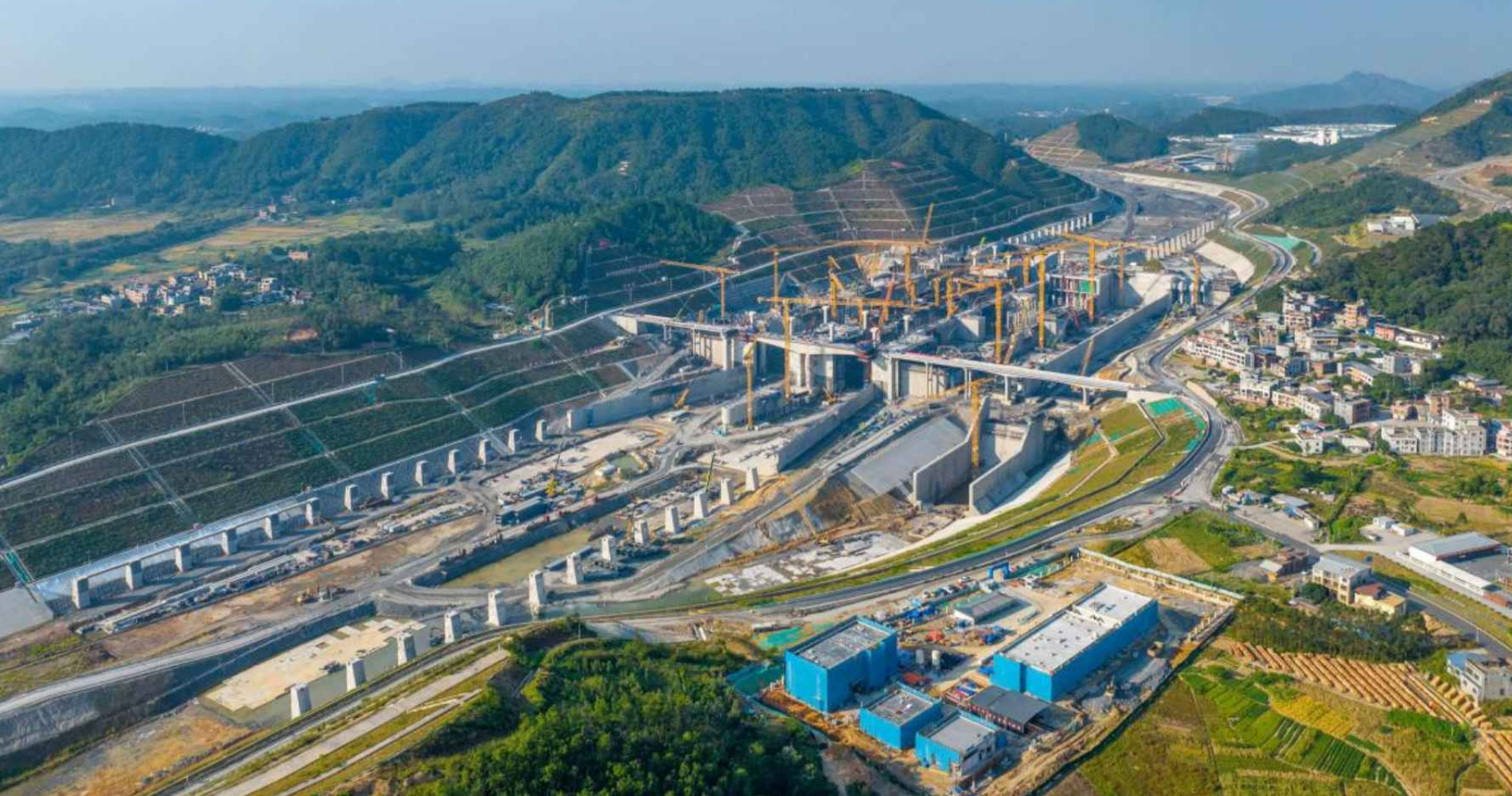
China is advancing the 134-kilometer Pinglu Canal project to enable cargo from inland regions to reach maritime trade routes more quickly. Built in the Guangxi region, the canal aims to create a shorter, faster, and more cost-efficient logistics route by directly linking river transportation to sea routes.
The project, which is expected to be completed in 2026, will significantly ease access to global markets, particularly for goods produced in southwestern China.
Direct Connection from Inland and Rivers to the Sea
The Pinglu Canal is designed as a critical route that integrates China’s inland river transportation directly with maritime trade. The canal will connect cargo moving along the Qinjiang River to the Beibu Gulf (Gulf of Tonkin).
This means that cargo will no longer need to rely on longer coastal routes through Guangdong, allowing direct access to sea transport. This integration is expected to both shorten distances and simplify logistics processes.
560-Kilometer Reduction and $750 Million in Savings
With the project’s completion, transportation distances are expected to be reduced by approximately 560 kilometers, creating significant cost advantages, especially for high-volume shipments.
According to officials:
- annual savings of around 5.2 billion yuan (approximately $750 million) are expected
- fuel consumption and operational time will be significantly reduced
Such benefits could also influence companies’ decisions regarding the location of warehouses and production facilities.
A Large-Scale Engineering Project
The Pinglu Canal is not only a transportation route but also a complex engineering undertaking. Along the canal, a water level difference of approximately 65 meters will be managed through ship lock systems.
The project includes:
- three major ship lock hubs
- 27 bridges and crossing points
- advanced navigation and transit infrastructure
The recently opened Zicai Bridge is considered a key milestone demonstrating the project’s progress.
Why China Is Making This Investment
The Pinglu Canal is not only about improving domestic transportation; it is also part of China’s broader strategy to strengthen trade integration with Southeast Asia.
Recent data shows:
- exports to ASEAN countries increased by 13.4%
- exports to the United States decreased by 20%
This shift indicates that China is redirecting its trade focus southward and investing in new logistics corridors.
Meanwhile, the Beibu Gulf Port surpassing an annual capacity of 10 million TEU suggests that the region could emerge as a major logistics hub.
Environmental Risks and Sustainability Concerns
Despite its economic advantages, the project has raised environmental concerns. Experts warn about:
- changes in river ecosystems
- alterations in water flow
- potential damage to wetlands
Authorities state that mitigation measures such as:
- ecological protection areas
- fish passages
- sensor-based monitoring systems
are being implemented to minimize environmental impact.
The Pinglu Canal stands out not only as an infrastructure investment but also as a key component of China’s strategy to reshape trade routes. Beyond reducing distance and costs, the project reflects a broader shift toward shorter, faster, and more flexible global supply chains.
Source: ECONEWS


 Popular News

.png)