

Artemis II Pushes the Limits of Mega‑Load Logistics
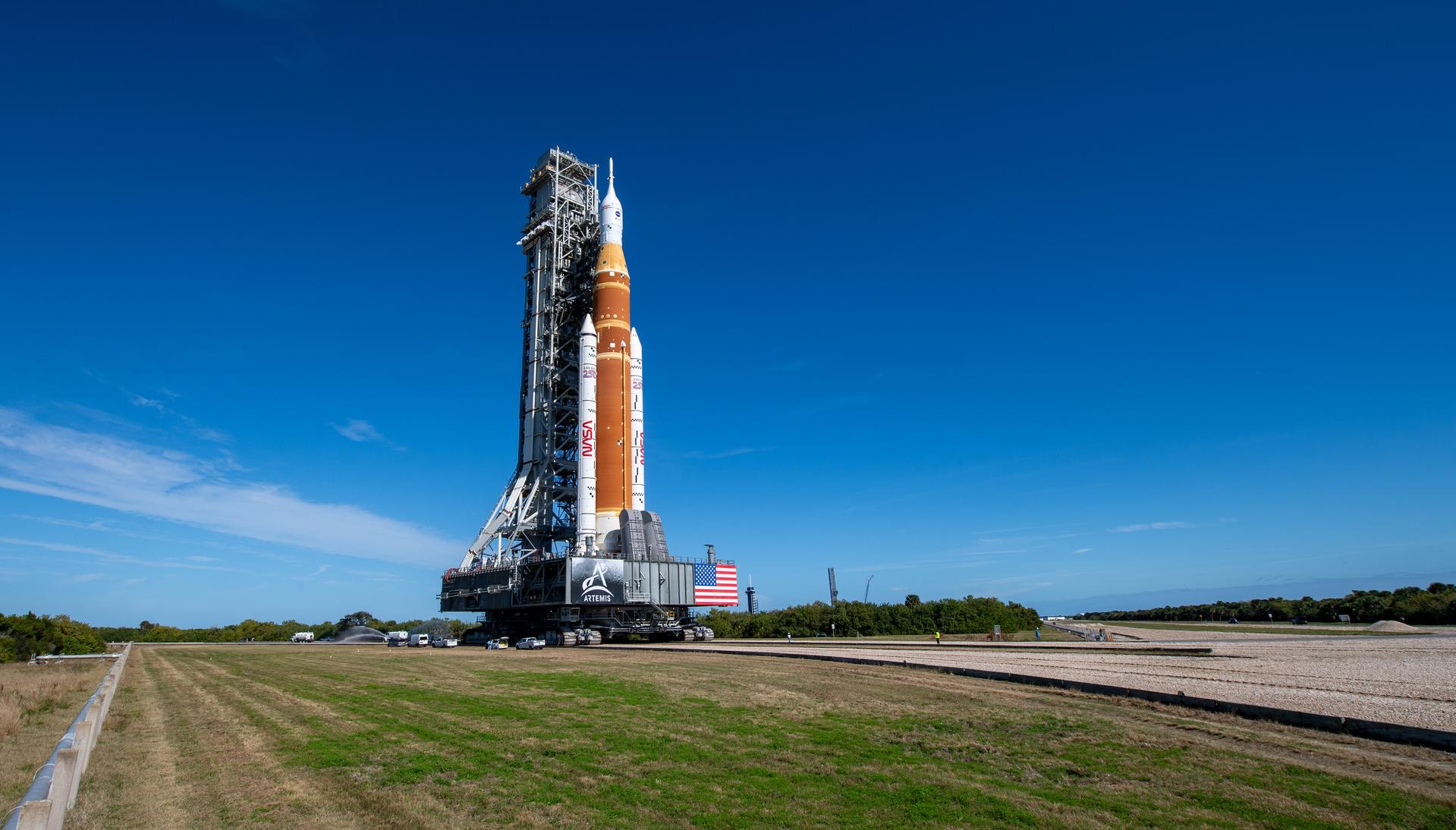
While the world is focused on humanity’s return to the Moon with the Artemis II mission, one of the most remarkable aspects of this historic endeavor lies behind the scenes: the vast logistics operation that made it possible. Artemis II is not merely a space mission; it stands out as one of the most complex mega‑load and supply chain operations ever assembled.
The logistics processes carried out as part of NASA’s Artemis II mission offer striking lessons in how mega‑load logistics is managed across sectors ranging from heavy industry and defense to energy projects and infrastructure investments.
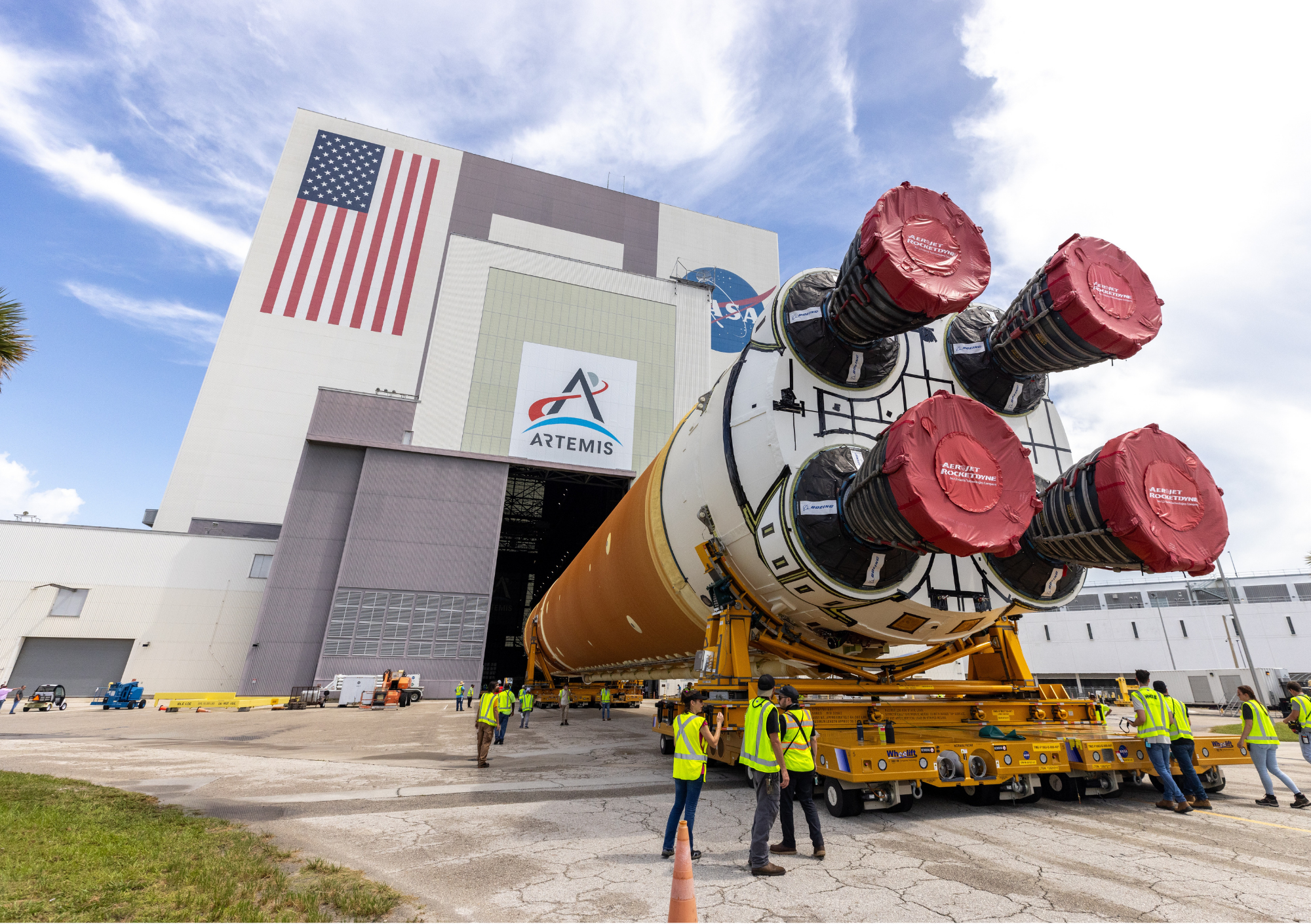
How Were Mega Loads Transported? Thousands of Components, One Objective
The Space Launch System (SLS) rocket and the Orion spacecraft used in the Artemis II mission were not built as single units. Instead, they were assembled through the transportation and integration of thousands of high‑precision components shipped from different countries and U.S. states.
This project was executed through a multi‑layered supply chain synchronized across:
- More than 2,700 suppliers,
- 47 U.S. states,
- International manufacturing sites, including Europe.
Managing logistics for components of such size, weight, and sensitivity required the simultaneous use of:
- Custom‑built transport vehicles,
- Multi‑axle heavy‑load platforms,
- Integrated sea, road, and rail transportation,
- Millimeter‑level route planning,
- End‑to‑end digital traceability (digital thread).
A delay in even a single component could have resulted in the mission being postponed by months.
Even the Fuel Was a Mega‑Logistics Operation
One of the most critical elements of Artemis II was the handling of space propellants—an operation that went far beyond conventional hazardous materials transportation.
According to SupplyChainBrain data, the mission required:
- More than 21,000 pounds of ultra‑high‑purity rocket fuel,
- Transportation of extremely sensitive substances such as monomethyl hydrazine and dinitrogen tetroxide,
- Quality control not at the component level, but at the molecular level.
Tracking each fuel batch digitally from production to delivery represented one of the clearest examples of a zero‑error logistics philosophy.
Digital Traceability: A Game‑Changer in Mega‑Load Logistics
At the core of Artemis II logistics was the “digital thread” approach, which enabled real‑time visibility into:
- Where each component was manufactured,
- Who transported it,
- Which tests it underwent,
- When and how it was integrated.
This system made it possible to:
- Identify risks at an early stage,
- Minimize supply chain disruptions,
- Fully align physical logistics with information logistics.
This structure is widely seen as a reference model for 21st‑century mega‑project logistics.
What Does This Mean for the Logistics Industry?
Artemis II delivers a powerful message to the logistics world:
- Mega‑load transportation is no longer just about weight, but about integration and data management,
- Logistics leadership in multi‑tier supply chains is as critical as engineering expertise,
- Mega‑projects are unsustainable without digitalization,
- Crisis, delay, and risk management must sit at the center of operations.
This approach signals the emergence of a new logistics standard for energy plants, mega‑infrastructure projects, the defense industry, and heavy industrial transport.
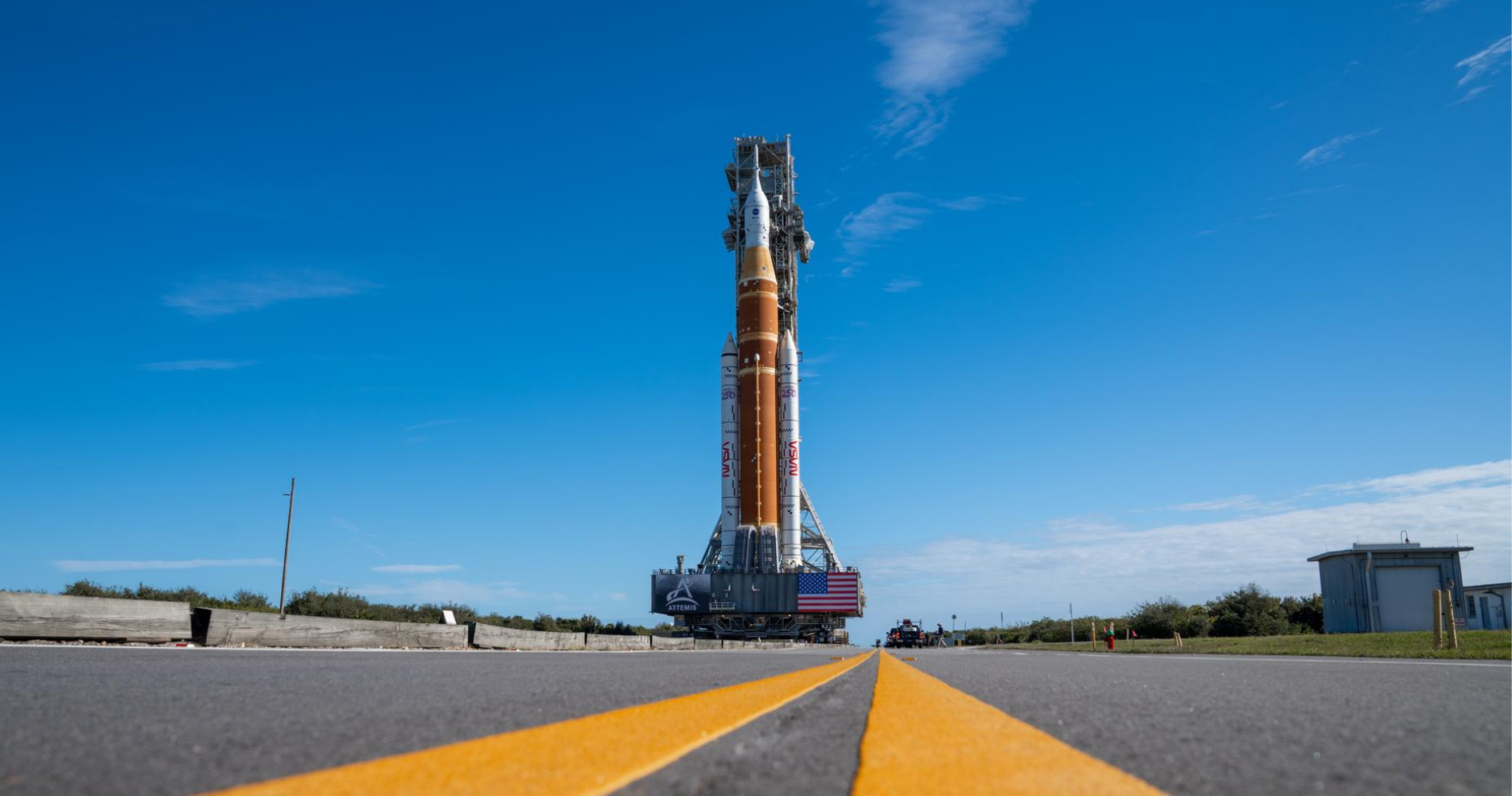
Logistics to the Moon Lights the Way for Earth’s Mega Projects
The Artemis II mission demonstrates a clear reality:
Reaching the Moon requires a flawless logistics chain before a rocket ever leaves the ground.
The methods applied in Artemis II—including:
- Multimodal transportation,
- Digital tracking,
- Supplier synchronization,
- Precision timing
will form the foundation of future mega‑load projects not only in space, but across the Earth.
This invisible success managed by logistics will shape both space exploration and large‑scale industrial projects for years to come.


 Popular News
.png)