

Air Cargo Stands Out in Artificial Intelligence Logistics
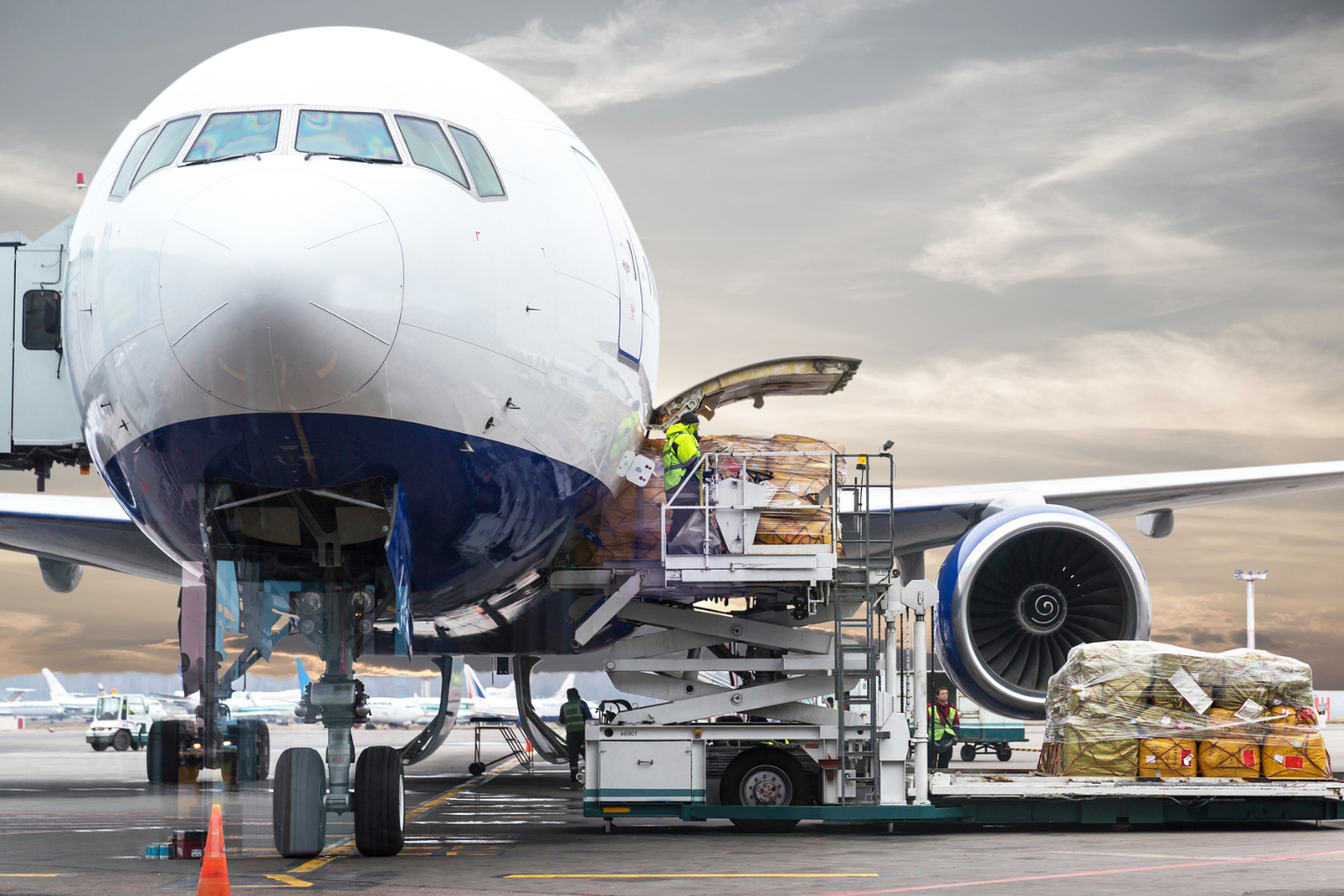
The International Air Transport Association (IATA) announced its comprehensive 2025 air cargo report at the World Cargo Symposium held in Lima, Peru. According to the report, the majority of artificial intelligence equipment and high‑value technology products were transported by air cargo in 2025. This trend allowed global trade to continue growing despite rising customs tariffs and policy uncertainties.
The report also stated that the new tariffs announced in 2025 by U.S. President Donald Trump had significant effects on global trade. During this period, companies reorganized their supply chains to avoid tariffs; U.S. importers shifted away from countries facing high tariffs toward alternative markets, while exporters focused on rising demand particularly in Europe.
According to IATA’s report, air cargo played a decisive role in key shifts:
- Imports in expanding U.S. trade lanes increased by USD 213 billion; USD 174 billion of this (82%) was transported by air.
- In contracting trade lanes, imports decreased by USD 257 billion; only 30% of that decline was air‑cargo‑related.
- In Europe, 48% of the growth in expanding trade lanes and only 3% of the decline in shrinking lanes occurred via air cargo.
These figures reveal that air cargo is the mode of transport that adapts the fastest when trade routes shift.
The Impact of Air Cargo Against Tariff Shocks
The report notes that thanks to the broad reach provided by air cargo, global trade grew 2.4% and global GDP grew 3.2% in 2025. IATA emphasized that air cargo directly contributed to economic growth by facilitating tariff avoidance strategies, rapid supply‑chain restructuring, and supporting the expansion of artificial intelligence investments.
Julia Seiermann, Head of Industry Analysis for IATA’s Air Cargo Division, made the following remarks during her presentation in Lima:
“Air cargo is a structural component of global economic resilience. In 2025, it helped businesses absorb tariff shocks, enabled the rapid restructuring of trade, and supported the expansion of artificial intelligence investments—contributing to sustained trade and economic growth in a challenging year.”
Trade Routes Are Restructured
Seiermann added that companies were not only front‑loading shipments but also reorganizing their supply chains permanently to reduce tariff exposure:
“U.S. importers moved away from trade partners facing high tariffs, while exporters redirected shipments toward alternative markets—particularly in Europe. The ability to rapidly reorient high‑value and time‑sensitive trade in response to policy shocks clearly demonstrated the importance of air cargo. Between April and December 2025, air cargo benefited far more from expanding trade lanes than from contracting ones.”
Strategic Role of Air Cargo in AI Investments
In 2025, the rapid rise in artificial intelligence–related investments was strongly supported by air cargo. According to the report:
- More than two‑thirds of the value of AI‑related trade was transported by air.
- Air shipments of AI products increased 20% year‑over‑year.
- AI‑related goods accounted for 53.5% of the total value of air‑transported trade, while representing only 7% of overall volume.
Seiermann summarized this trend as follows:
“The surge in demand for AI‑related products in 2025 could be met thanks to air cargo. This allowed investments to translate into economic activity rather than being restricted by logistical constraints. As economies become increasingly dependent on high‑value technology products, air cargo will continue to play a critical role in ensuring their timely delivery.”
IATA’s 2025 report once again highlights that air cargo is not only a fast and reliable transportation mode but also a strategic economic instrument during periods when global trade is being reshaped. Ultimately, air cargo served as a critical backbone supporting the global economy throughout 2025—helping mitigate high tariff risks, supply chain shifts, and the accelerating pace of artificial intelligence investments.
Source: KargoHaber


 Popular News
.png)