
What You Need to Know When Exporting to the United Kingdom
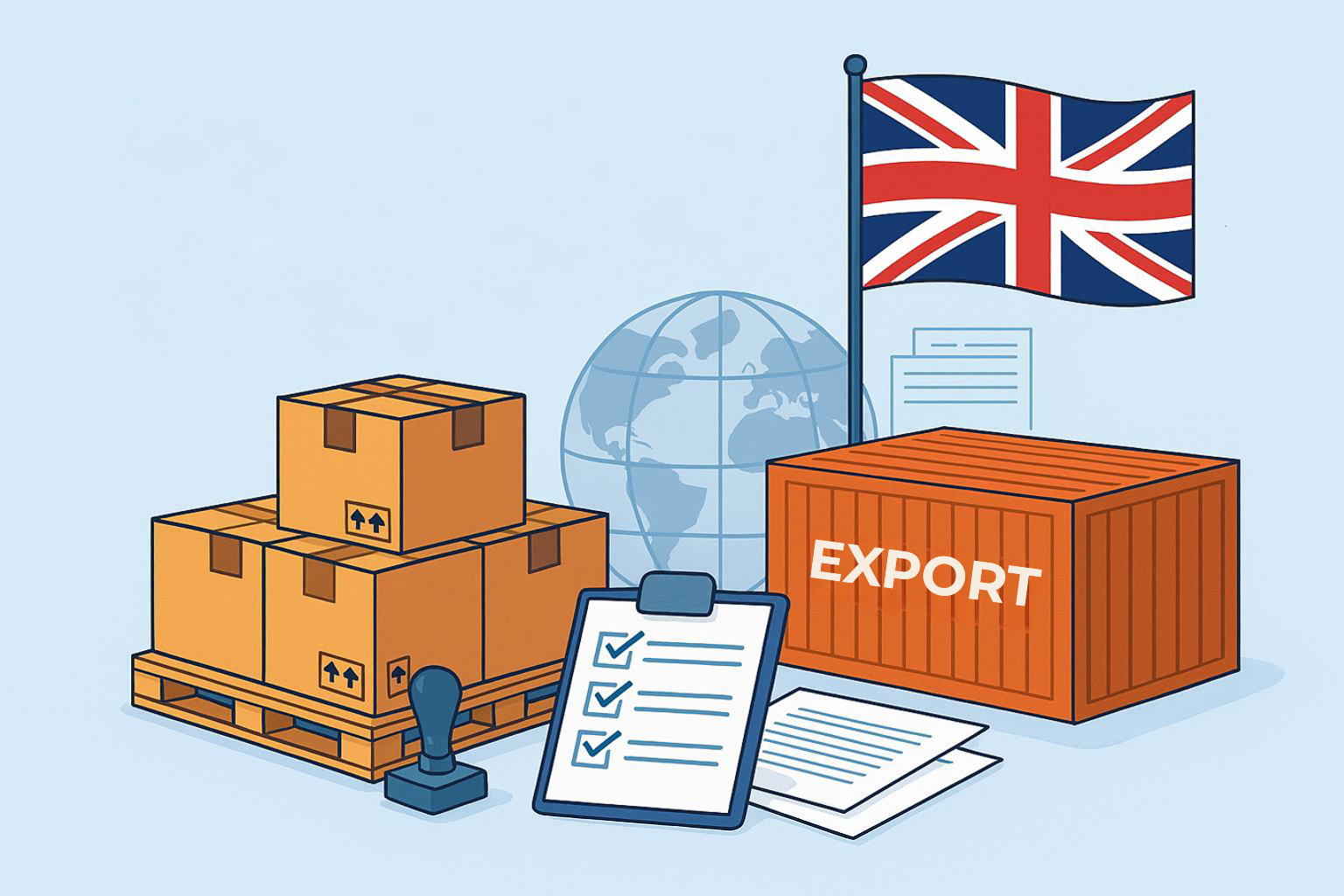
The United Kingdom is one of the countries to which Türkiye exports most frequently. From textiles to food, and from machinery to chemicals, we export a wide range of products to the UK. Knowing the rules of the UK market and conducting research before starting exports will make your job easier. As long as you prepare the necessary documents and comply with the UK’s foreign trade regulations, entering the market is quite straightforward.
What Should Be Known Before Starting Export to the UK?
Before entering the UK’s foreign trade market, it is very important to carry out strategic planning. If you take planned steps, exporting to the UK can bring you significant profits.
You can start by understanding the UK market. Regardless of the country, before entering a market, you must first define a target audience. Conducting market research is essential to understand this audience. While doing your research, you can get support from professional firms or purchase data. Understanding your target audience’s culture, needs, and habits is crucial. Market research can be conducted for both end consumers and businesses. Based on the results, you can shape your UK export strategy and make your planning and product selection accordingly. Another important step is competitor analysis. Knowing your competitors will make your job easier.
What Should You Consider When Choosing Products to Export to the UK?
Before deciding on products to export to the UK, you should review the UK’s foreign trade regulations and understand which products are allowed. Many different products are exported from Türkiye to the UK every year. According to 2023 data, the leading sectors are as follows:
- Textiles and textile materials
- Jewelry
- Precious stones
- Machinery
- Machine parts
- Electrical and electronic equipment
- Metals
In addition to these, there are many other sectors exporting to the UK. By establishing connections in the UK and selecting products in compliance with regulations, you can export with ease.
What Are the UK Customs Rules?
Even if you work with a customs service provider for your UK foreign trade operations, there are rules you should know as an exporter. UK customs rules define the laws regarding goods entering and leaving the country. During exports from Türkiye to the UK, these rules are strictly enforced, and violations may result in serious penalties. In general, the main rules are as follows:
- Export license: Some products may require an export license. You need to determine whether your products require one.
- Declaration: A customs declaration is one of the required documents in UK foreign trade.
- Tax: Customs duties apply to certain goods and vary depending on their value.
- Health and safety: To export to the UK, your products must comply with UK health and safety standards.
In addition to these, there may be product-specific regulations. You can obtain the most up-to-date information from official government institutions.
Where Are Commercial Customs Entry Points in the UK?
When exporting to the UK, there are several logistics options for goods entering the country. One of the most commonly used methods is air transport, where shipments pass through airport customs. Thanks to its extensive port network, the UK is also strong in maritime transport, so goods transported by sea enter through various commercial ports.
Additionally, some types of goods can reach the UK via rail logistics. For smaller or specific shipments, postal centers can also serve as customs entry points.
What Are the Commercial Ports in the UK?
There are many commercial ports used for exports to the UK:
- Air transport: Heathrow, Gatwick, Manchester, and Birmingham airports are the main commercial entry points.
- Sea transport: The ports of London, Southampton, Liverpool, and Dover are frequently used for maritime trade.


 Popular News

.png)