
What Is Temperature-Controlled Transportation in Road Logistics?
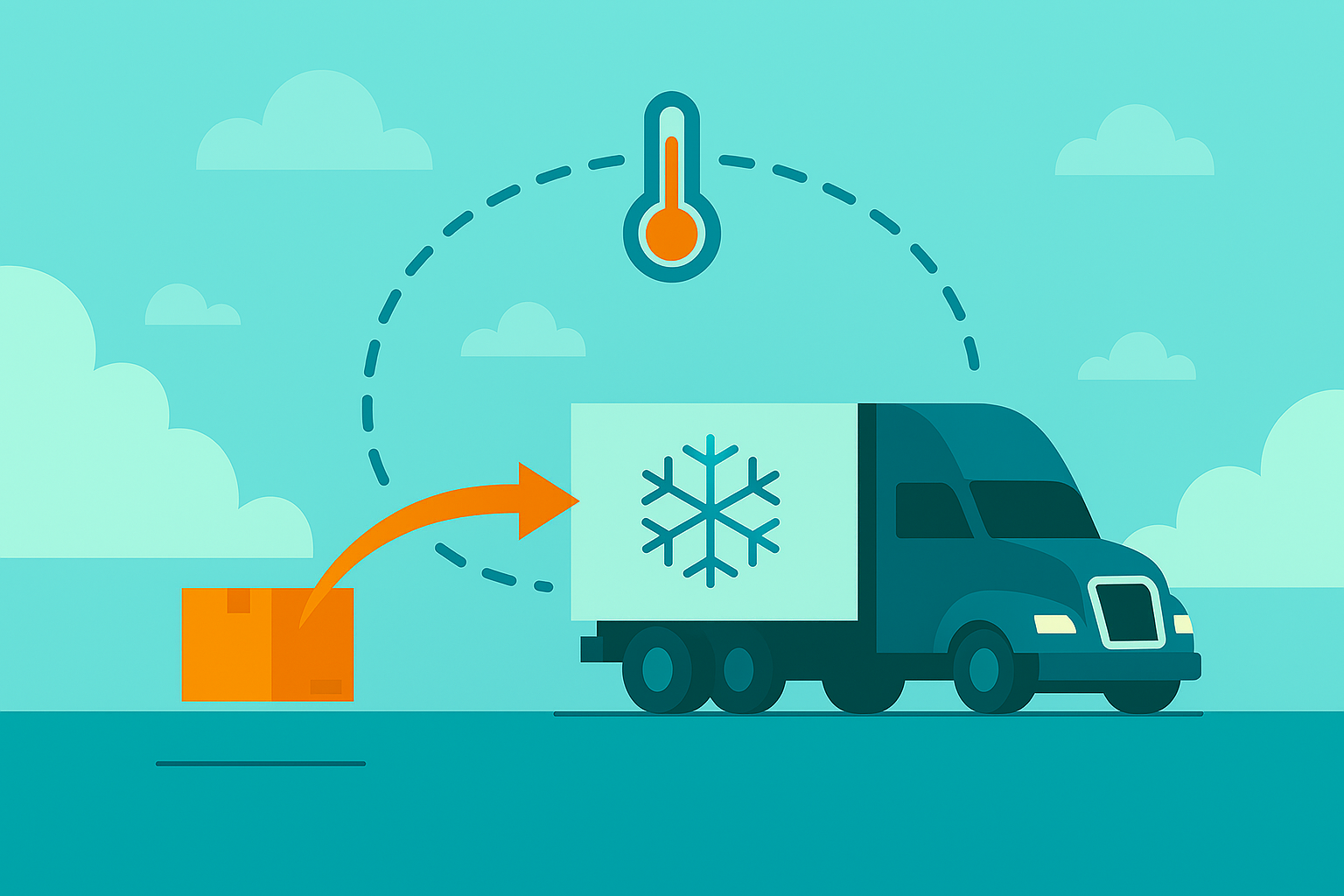
Temperature-controlled transportation by road is a critical component, especially for the cold chain, food, and pharmaceutical industries. However, in recent years, temperature-controlled logistics has expanded into a much broader field. Also known as the perishable cargo model, temperature-controlled transportation aims to keep products within a specific temperature range, minimizing the risk of spoilage.
When trucks hit the road, they carry many different stories. Some transport frozen foods, others pharmaceuticals, and some fresh fruits and vegetables. Each load is a traveler that needs protection. This is exactly where the concept of perishable cargo within temperature-controlled logistics comes into play. These heroes of the road ensure that products reach their destination safely by minimizing their perishability.
Features of Temperature-Controlled Transportation
Temperature-controlled transportation by road is comparable to a first-class journey. Trucks are equipped with specially designed cooling systems that maintain products within the required temperature range, keeping them fresh. Frozen foods in the summer heat and sensitive medications in the winter cold are each provided with an optimal environment. During the journey, the temperature is monitored and controlled at every moment, ensuring the products arrive safely.
The key benefits of transporting perishable cargo include:
- Transporting products in thermal-insulated packaging,
- Using specialized sensor systems to minimize potential risks,
- Thermal-insulated storage areas,
- A suitable logistics and distribution network tailored to the nature of the products.
However, this journey is managed not only with technology but also with great care. Drivers work with precision to protect the health and safety of the products. At every turn and every stretch of the road, they must consider the security of the cargo. If you wish to benefit from cold chain cargo services for your products, you can contact Arkas Logistics and take advantage of safe transportation solutions.
How Is Temperature-Controlled Transportation Conducted in Road Logistics?
Temperature-controlled transportation has become one of the most important elements of modern logistics. This method is essential for carrying perishable products. The process requires a carefully planned strategy and meticulous execution.
The first step is selecting the right equipment. Vehicles equipped with appropriate cooling or heating systems are chosen according to the characteristics of the cargo. These vehicles must be capable of maintaining the required temperature range.
Next, temperature control is ensured at every stage of the transportation process. After loading, vehicles equipped with temperature sensors and monitoring systems continuously record and track the temperature throughout the journey. Drivers operate with great awareness of the sensitivity and importance of the perishable goods they carry. Quick intervention and communication are crucial in emergencies.
At the end of the journey, a final inspection is conducted before delivery. During this check, it is confirmed that the products remained within the required temperature range, and reports are prepared when necessary.
Advantages of Temperature-Controlled Transportation
Cold cargo transportation is not limited to operations within a single country. It is widely used in international logistics as well and contributes significantly to commercial success. Additionally, the timely delivery of fresh and high-quality products increases customer satisfaction, providing a more positive purchasing experience.
Reducing the waste or spoilage of perishable goods plays an essential role in global sustainability efforts. Temperature-controlled transportation contributes to minimizing environmental impact. These advantages highlight the importance of temperature-controlled logistics for both businesses and consumers, strengthening its role in modern supply chain operations.


 Popular News

.png)