
What Is Intermodal Transportation?
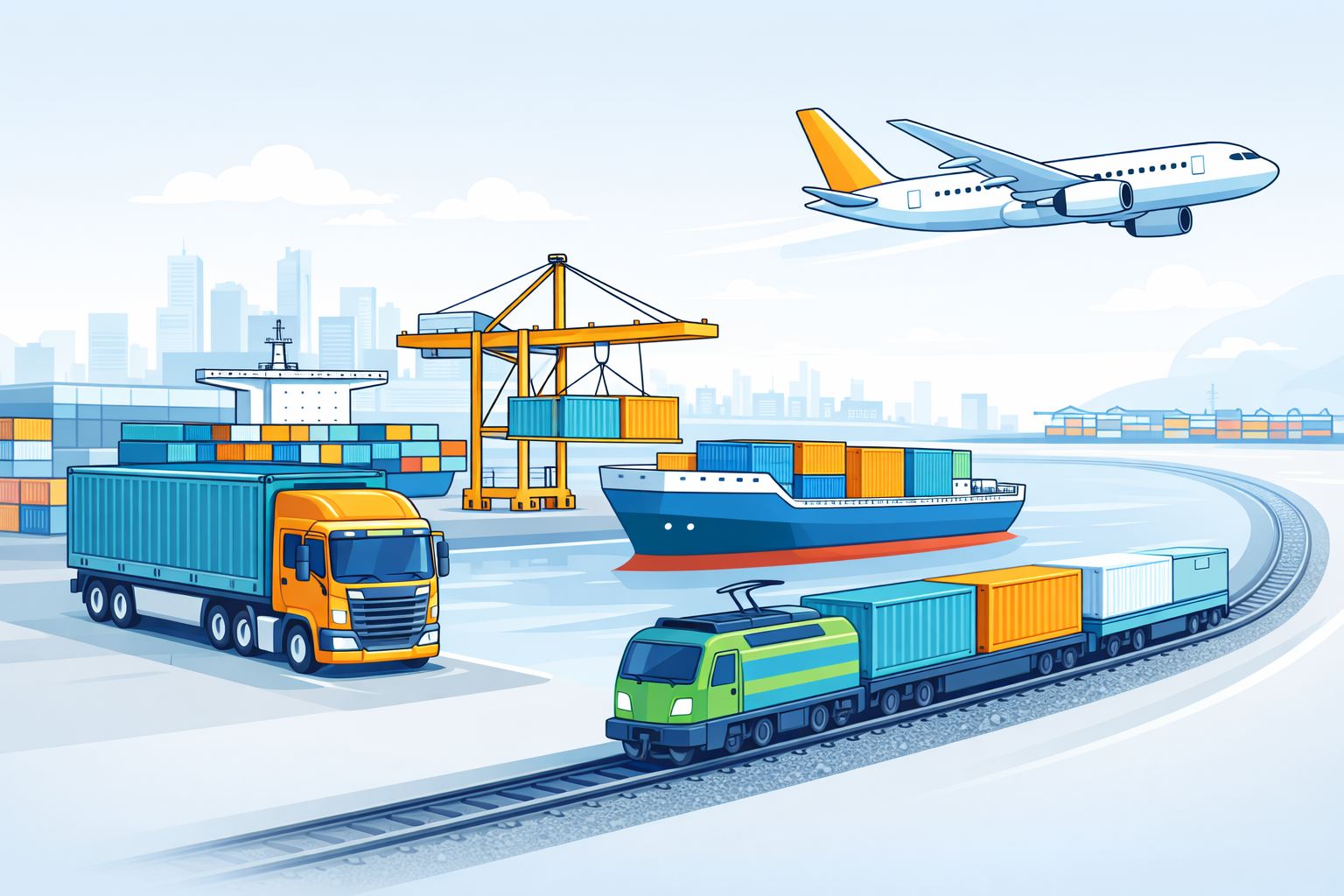
A shipment that is transported using different modes of transport such as road, sea, rail, and air is defined under the concept of intermodal transportation. In short, intermodal transportation can be described as a system that enables goods to be delivered to their destination using different vehicles without being transferred to separate storage areas. In this system, products continue to be transported without changing the container in which they are stored when transferred from a road vehicle to a sea vessel, or from an air vehicle to a rail vehicle. This approach reduces costs while increasing operational and time efficiency in the logistics sector.
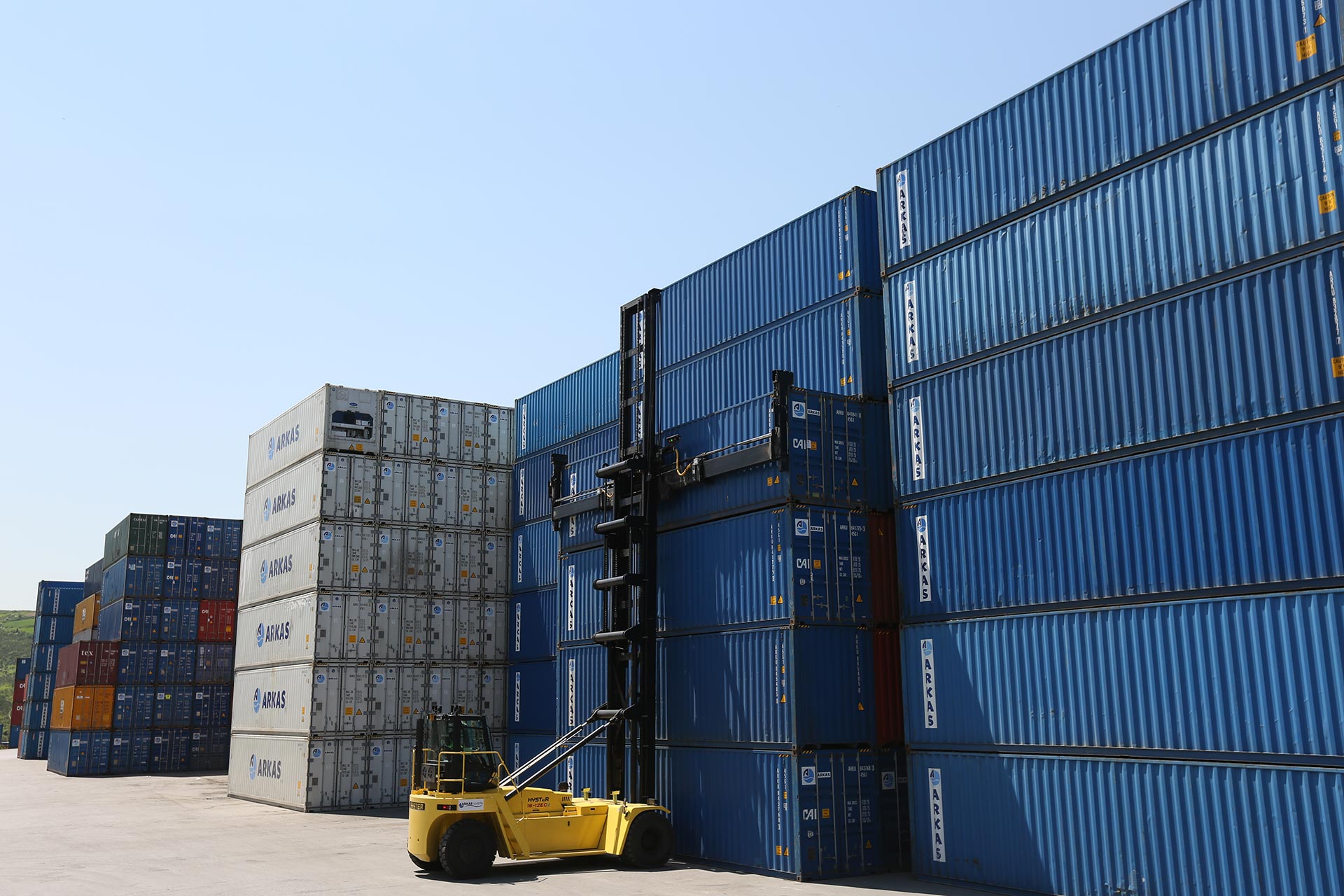
Intermodal transportation, which has become an essential part of global trade, offers numerous advantages that provide both convenience and prestige for logistics companies and manufacturers. As one of the cornerstones of modern logistics, this transportation method is often associated with container transportation. For example, goods transported in a container may continue their journey by rail after a vessel docks at a port. However, the difference lies in the fact that in container transportation, the storage unit is dependent on the vehicle. The goods are unloaded from the ship and then transferred to the train. In intermodal transportation, on the other hand, the container itself can be transferred directly from the ship to the train.
How Is Intermodal Transportation Carried Out?
For the logistics sector, which values speed and convenience, the question “What does intermodal transportation mean?” can be answered by examining the process, which requires planning, coordination, and logistics expertise throughout. Based on examples of intermodal transportation, four main steps can be identified that logistics professionals should follow when implementing this system.
The first step is placing the products into containers in a suitable manner. At this stage, the type of container must be selected according to the nature and characteristics of the cargo. For example, refrigerated containers may be used for food products, while tanks are preferred for chemical liquids.
Once the loading process is complete, the second step—transition between transportation modes—begins. The container is transported by road to a logistics center or port. It is then loaded onto the vehicle that will carry the goods to the next stage. During this process, cranes and similar equipment are used to handle the container.
The third step involves transporting the cargo through different modes without ever removing it from the container. Keeping the products inside the container prevents potential damage or confusion during transportation and mode changes. The final step is unloading the goods from the container at the destination and delivering them to the recipient. Additionally, advancements in technology—such as route planning and tracking systems—have made the entire process easier and more efficient to manage.
What Are the Advantages of Intermodal Transportation?
The advantages of intermodal transportation primarily arise from keeping the goods stored inside the container during transfers. This method minimizes damage to the cargo and significantly reduces risks such as theft and loss. Storing goods within the container also saves time. Furthermore, the ability of containers to switch between vehicles provides both flexibility and increased speed. For example, road-related delays such as traffic congestion can be avoided by using alternative transportation modes.
Thanks to its flexibility, intermodal transportation offers effective logistics solutions in international trade and ensures the smooth functioning of the global supply chain. It also enables faster procedures at border crossings.
The existence of various intermodal transportation types—using air, sea, road, and rail—contributes to the diversification of the advantages offered by this model. First and foremost, transporting goods via different modes helps minimize the use of environmentally harmful fuels. Logistics companies determine transportation routes in the most advantageous way in terms of time, cost, and environmental impact. By utilizing economical modes such as rail and sea transport, intermodal transportation reduces overall costs. It also eliminates the need for repackaging or repeated loading and unloading processes, providing additional savings.
Intermodal Transportation in Türkiye
So, “What is intermodal transportation in Türkiye and how is it carried out?” Acting as a bridge between Asia, Europe, and the Middle East, Türkiye holds strategic importance for this transportation method. For this reason, significant investments in intermodal transportation have been made in recent years. Due to its location connecting three continents, Türkiye has become a logistics hub in international trade. The process primarily operates through major ports in the Marmara Region, Istanbul Airport, and railway networks extending eastward.
Intermodal transportation, which plays a significant role in global trade, also offers unique advantages specific to Türkiye. With the potential to increase the country’s foreign trade volume, intermodal transportation facilitates Türkiye’s alignment with international logistics standards as well.


 Popular News
.png)