
What is IMO in Transportation?
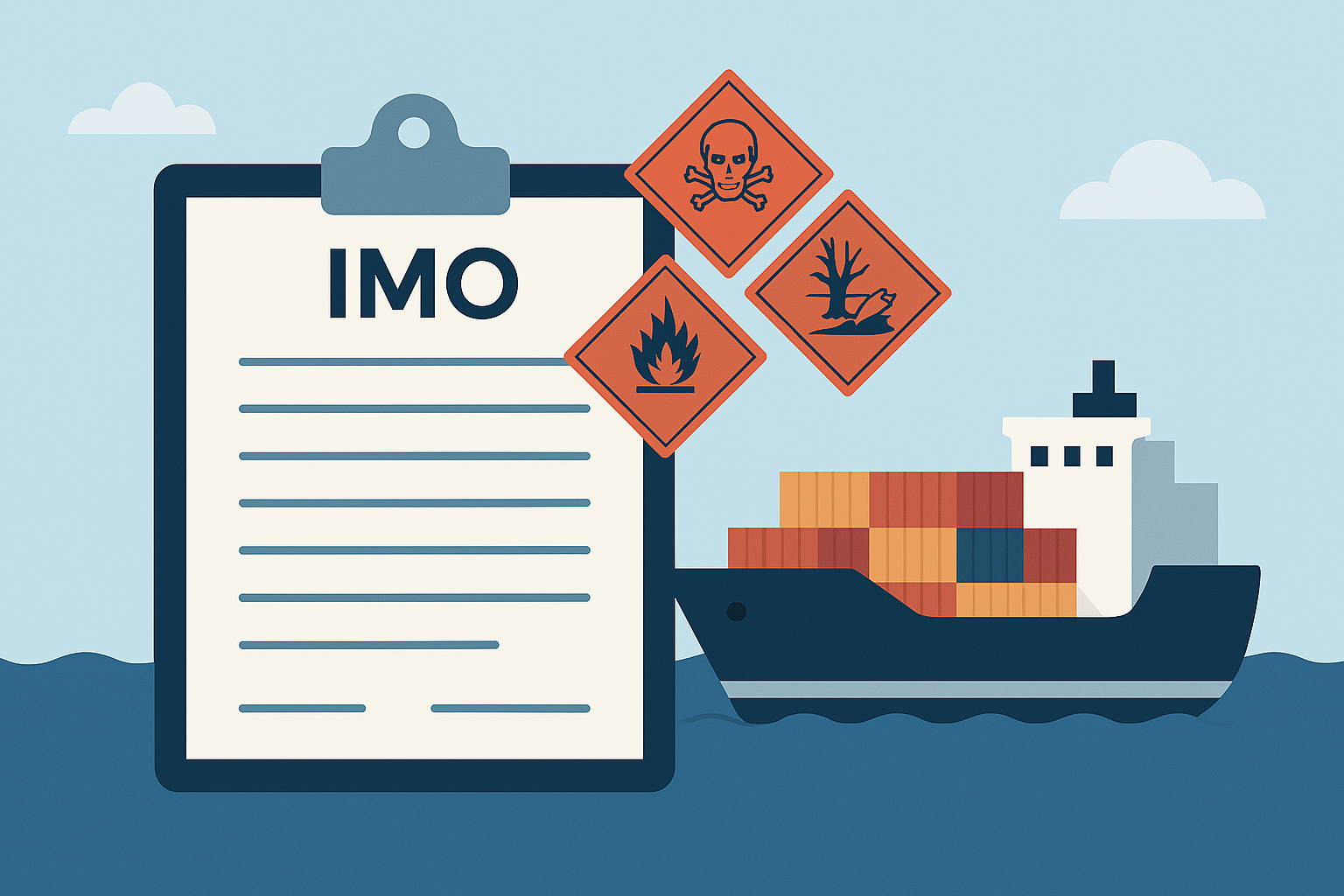
Transportation is a complex process that involves the preparation of many documents and the implementation of various procedures. In order for this process to proceed smoothly for the receiver, sender, and carrier, certain documents are required. This ensures that the transported goods move in a controlled manner from the exporter to the customer through a well-established supply chain.
One essential document used in transportation is the IMO document. The IMO document takes its name from the initials of the International Maritime Organization. Its full form is “International Maritime Organization.” This document, especially used in the transportation of hazardous materials, provides many benefits. It is very important that the information filled in is complete and accurate, as this helps prevent disruptions in the operational process.
IMO Symbols in Container Transportation
Due to the advantages it offers, sea transportation is widely preferred. Its cost-effectiveness and relatively fast delivery times make it an attractive option. IMO symbols help prevent potential risks.
Different procedures must be followed when transporting hazardous materials. Each product has specific requirements, such as temperature conditions, storage environment, and protection from direct sunlight. Symbols such as toxic and poisonous indicators provide critical information to ship personnel and support safe operations by the carrier. These symbols ensure the safe transportation of hazardous and explosive materials while also helping prevent marine pollution caused during transport.
The organization from which the IMO document derives its name:
- Establishes international standards by promoting environmentally friendly practices
- Helps prevent possible maritime accidents
- Creates standardization regarding ship design and required equipment
- Monitors developments in maritime transport and responds to sector needs
IMO Hazardous Material Types
The IMO establishes regulations to ensure safety and environmental protection in maritime transportation. These regulations help prevent pollution caused by waste mixing into the sea. Hazardous materials transported under IMO regulations are classified and labeled accordingly. IMO symbols are determined by laws and serve as a standardized international communication language, ensuring clear understanding across parties.
Hazardous symbols are categorized into main classes and subcategories, including explosives, gases, flammable liquids, flammable solids, oxidizing substances, toxic and infectious substances, radioactive materials, corrosives, and other dangerous goods. These categories are ranked according to their properties and potential level of harm.
During transportation, physical contact with certain substances may pose health risks. Similarly, contact through air or water may lead to environmental pollution. Therefore, the use of hazardous material symbols is essential to minimize such risks.
The accuracy of symbols used for materials with flammable or explosive properties is critical. For example, the toxic symbol indicates that ingestion, inhalation, or skin contact can cause severe injury or death. The poisonous substance symbol is used for items such as pesticides, disinfectants, and medical supplies, which pose risks if inhaled or stored near food.
How to Obtain an IMO Certificate?
Codes and symbols are used in documents to ensure safe maritime transportation. The use of this document is mandatory in operations, and obtaining it is a long and complex process. The main objective is to safely transport hazardous cargo from the loading port to the discharge port. Certain rules are applied to minimize the risk of damage to the ship and its cargo. Protecting the environment, marine life, and human health is also a key concern.
In addition, it is necessary to be familiar with the procedures and regulations of the countries involved in transportation. So, what is the IMO number used for ships in maritime transportation? This seven-digit number is essentially a ship identification number. Even if the ship’s owner or flag changes, this number remains the same and serves as a constant identifier. The IMO numbering system ensures safety and enables reliable maritime trade.
Vehicles Used in Hazardous Material Transportation
The company responsible for transportation must ensure the safety of port personnel at the time of arrival. It is also responsible for providing necessary equipment and proper communication. Maritime symbols enable clear understanding between ship crews and port authorities.
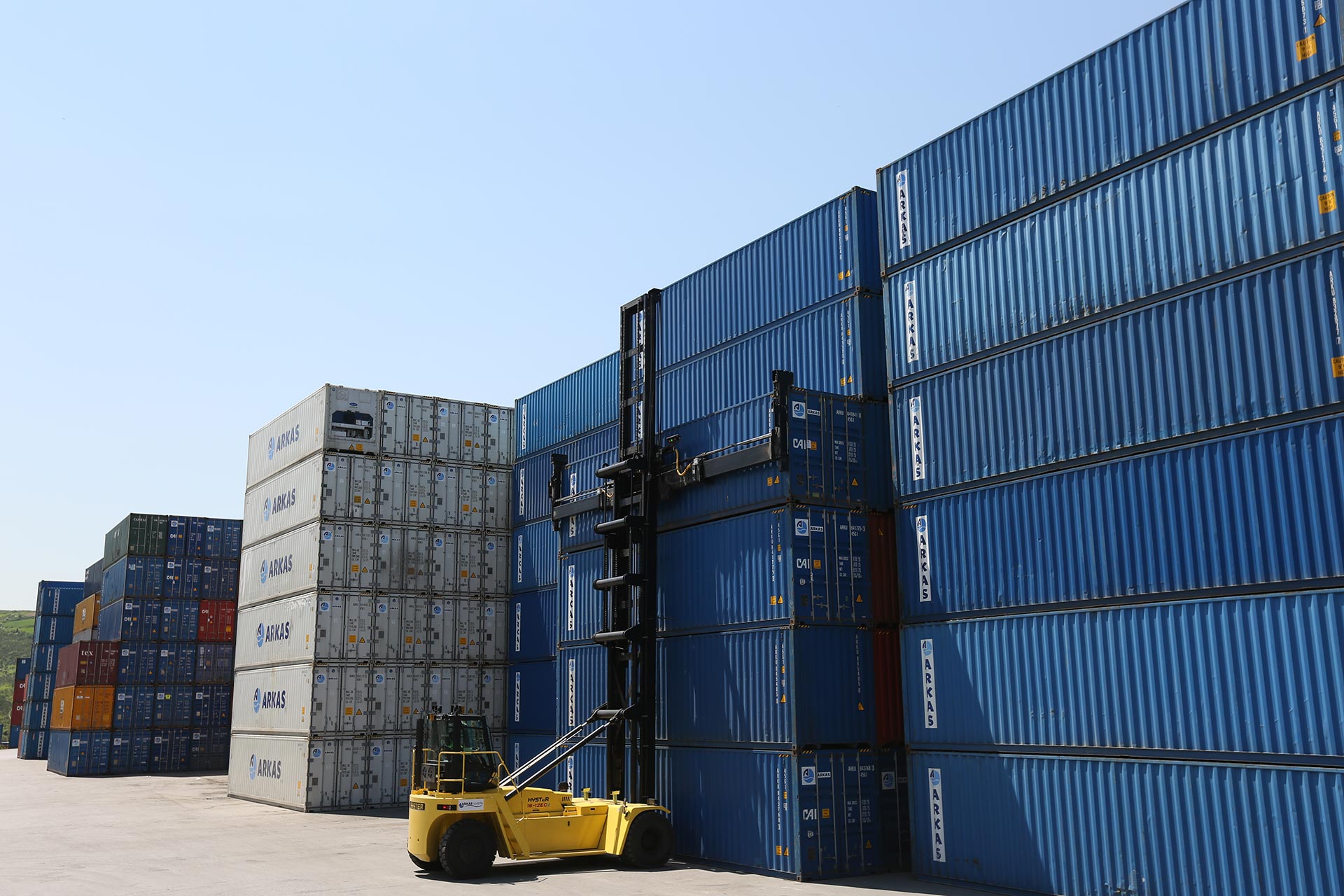
Containers are among the safest and most reliable options for transporting hazardous materials in maritime trade. With containers and mandatory hazard symbols, multiple types of dangerous goods can be transported simultaneously. When handling hazardous materials, it is crucial to understand their properties and act with care. Choosing the appropriate transportation vehicle for the specific material is also highly important.


 Popular News
.png)