
What Is Cross-Shipment?

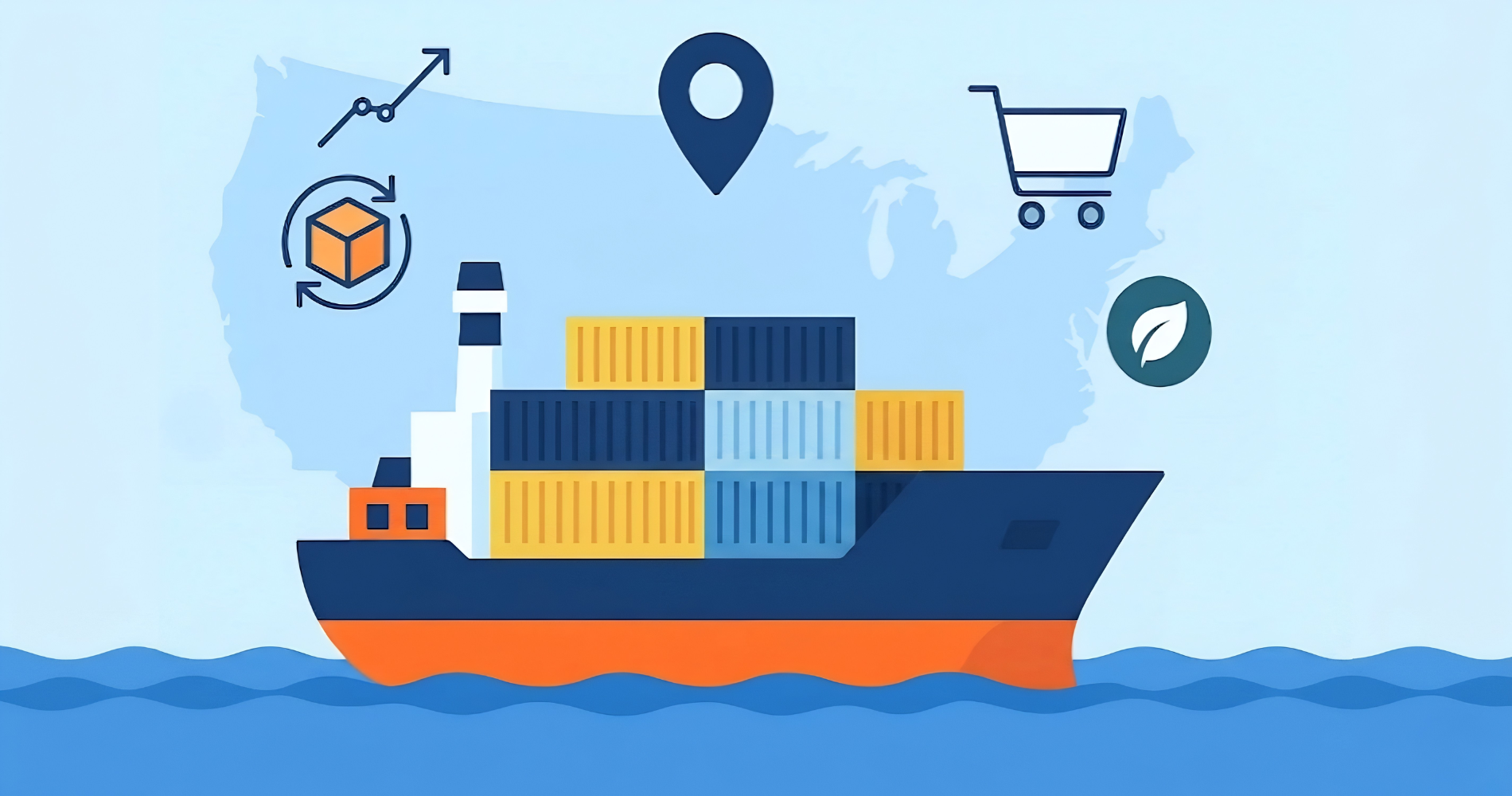
One of the frequently used terms in the logistics and transportation sector, cross-shipment refers to the movement of goods throughout the supply chain via multiple transportation modes or logistics operations. This transportation method may involve several stages, from the point of origin to delivery to the final consumer or end user. The main purpose of cross-shipment is to ensure that products move quickly and efficiently along the supply chain.
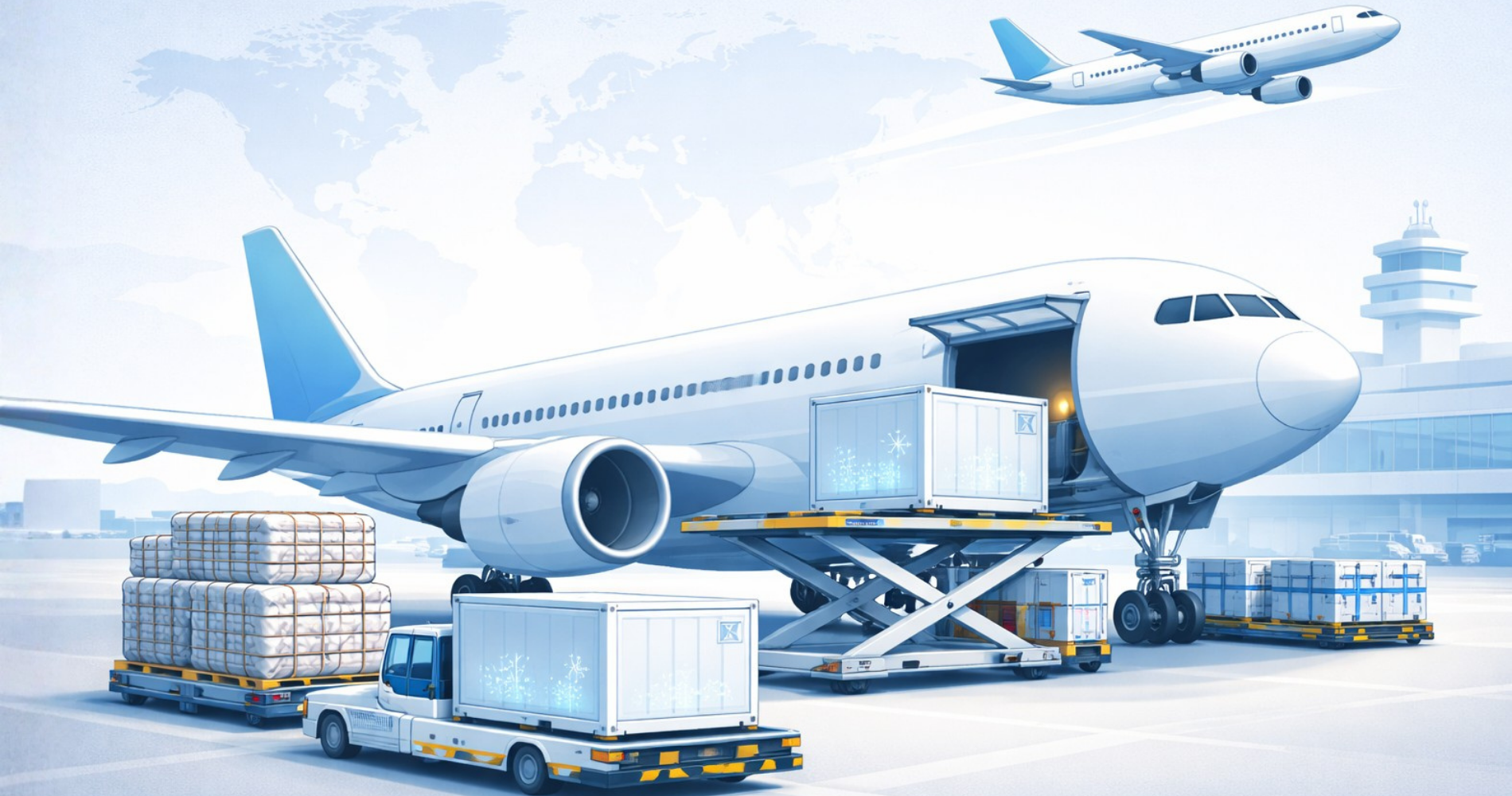
To achieve speed and efficiency, Shipeedy coordinates between different transportation modes, warehousing facilities, and distribution centers. For example, a product may be transported to a country by sea, then delivered to the end user via road transportation followed by air freight. After addressing the question “What is cross-shipment?”, it is also necessary to evaluate its advantages.
Cross-shipment offers advantages such as reducing logistics costs and shortening delivery times. While it helps manage products more effectively and improve supply chain efficiency, the logistics process must be carefully planned and coordinated. Due to its advantages and characteristics, cross-shipment can be preferred to meet the demands of global trade. Considering that many products enter the global supply chain, the strategic importance of cross-shipment for logistics managers and companies becomes evident.
Examples of Cross-Shipment
Cross-shipment can be used in many different sectors, increasing the complexity and efficiency of supply processes. Some examples include:
International trade is one of the areas where cross-shipment is widely used. Electronic devices manufactured in an Asian country may be transported by sea to a port, then shipped inland by truck and ultimately delivered via air freight.
E-commerce companies manage various logistics processes such as product storage, delivery to customers, and returns. After leaving distribution centers, products are delivered to consumers via road or air transportation.
Automotive manufacturers and suppliers frequently use cross-shipment to transport vehicle parts and finished vehicles between different production facilities. For example, an engine component may be produced in Germany and then shipped to a car factory in Japan.
Large retail chains operate supply chains that include multiple shipping stages—from suppliers to distribution centers, then to stores, and ultimately to the final consumer.
Fresh food and pharmaceuticals require special transportation conditions and may therefore involve cross-shipment across different modes of transport. Medical products may be imported by sea and then delivered to warehouses and hospitals via road transport.
These examples demonstrate how cross-shipment is applied across various industries and supply chain stages. It helps products move efficiently around the world, increases supply chain efficiency, and provides logistics managers with flexibility in transportation planning.
Why Is Cross-Shipment Important in Logistics?
Cross-shipment holds a significant place in logistics due to its contributions to increased efficiency, fast delivery, global trade integration, inventory management, and environmental impact reduction. It enables products to move more efficiently throughout the supply chain. By utilizing different transportation methods and facilities, products can be transported faster and more effectively. This allows goods to reach consumers quickly, supporting customer satisfaction.
Especially in sectors such as e-commerce—where rapid delivery is crucial—the cross-shipment system can be applied and helps prevent cost escalation.
Cross-shipment also facilitates global trade. By enabling the use of different transportation methods and cross-border logistics networks, it supports the growth of international trade. Additionally, it improves inventory management. Since goods move faster along the supply chain, inventory levels can be managed more efficiently through cross-shipment practices. This helps businesses reduce excess inventory costs and adapt more effectively to demand fluctuations.
Fewer transportation vehicles and optimized route planning can be achieved, minimizing environmental impact. Considering its cost, environmental, and customer satisfaction benefits, cross-shipment is a strategic tool for logistics managers and businesses.
Is the Cross-Shipment System Advantageous?
When evaluating its features and global effectiveness, the cross-shipment system is widely considered an advantageous option. In response to the questions “What is cross-shipment in logistics?” and “What are its advantages?”, the following benefits can be highlighted:
Cost savings:
Enables more efficient transportation and logistics management throughout the supply chain. Using multiple transportation modes or facilities helps reduce shipping costs.Speed and efficiency:
Allows products to be transported faster. By utilizing different transportation methods and routes, products move more rapidly through the supply chain, ensuring quicker delivery while improving efficiency.Support for global trade:
Encourages the growth of global trade by enabling the transportation of goods between countries using various modes of transport. It also facilitates international commerce.Inventory management:
Faster shipments and more effective inventory control reduce stock-related costs, enabling businesses to better manage cash flow and operational expenses.Flexibility:
Provides greater flexibility in logistics operations. Thanks to Shipeedy’s ability to switch between different transportation methods and routes, companies can adapt more easily to unexpected situations or changes in demand.Reduced environmental impact:
Shipeedy enables the use of fewer vehicles and more efficient route planning, contributing to reduced environmental impact and supporting sustainable transportation practices.
Considering its advantages and functional capabilities, cross-shipment can be preferred in logistics projects to enhance competitiveness and ease of transportation. Transporting goods in larger consolidated shipments can reduce unit costs while enabling faster delivery and increased efficiency. Shipeedy is frequently chosen for supporting sustainable transportation practices and offering cost-effective logistics solutions.


 Popular News

.png)