
What Is Consolidated Transportation?
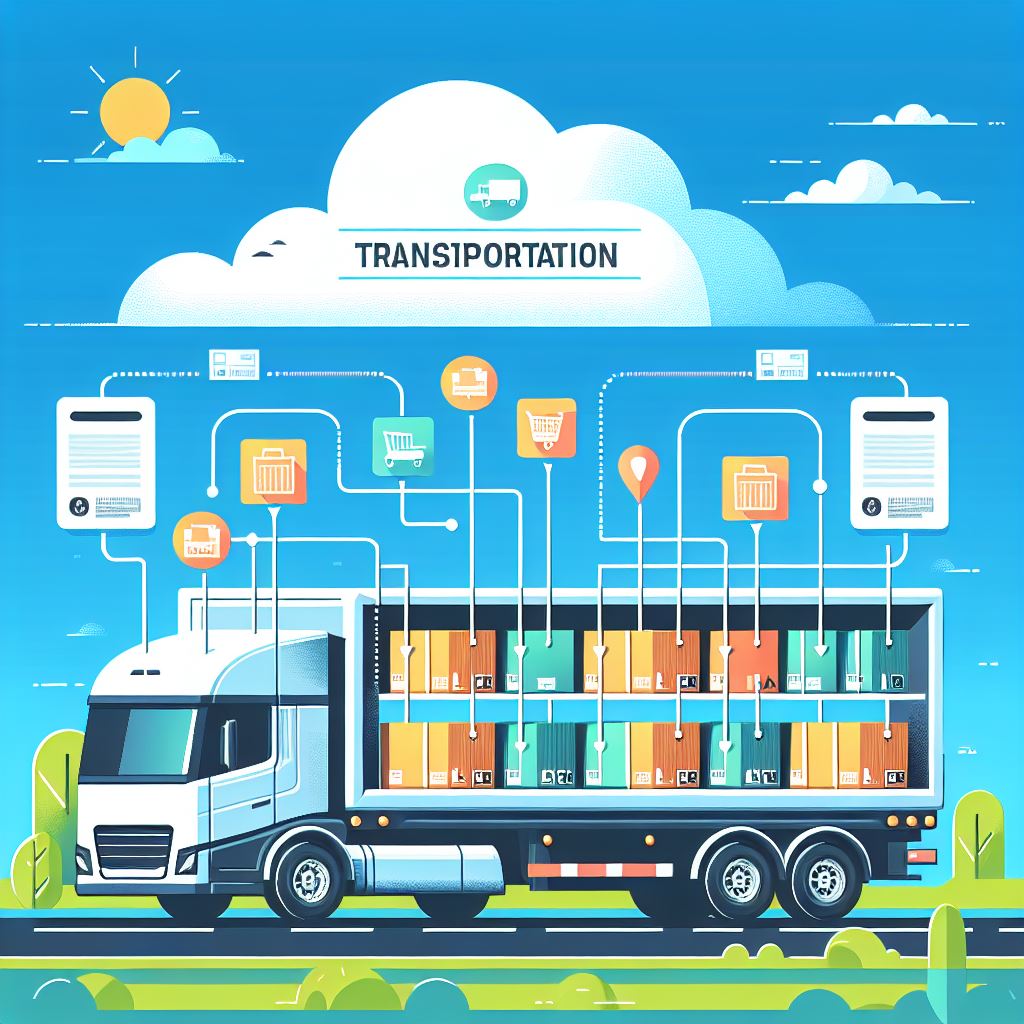
Consolidated transportation, one of the most commonly preferred methods in the logistics and transportation sector, refers to the transportation of small shipments sent by multiple cargo owners together in the same vehicle. In the Shipeedy consolidation logistics method, transportation services are shared, and different cargo owners are brought together based on similar routes or locations in order to reduce transportation costs.
Among the advantages of consolidated transportation, the ability to combine small shipments into larger and more efficient consignments stands out. This not only helps reduce transportation costs but also contributes to minimizing environmental impacts. In addition, consolidated transportation plays a role in increasing the efficiency of logistics operations by enabling better planning of logistics processes and facilitating shipment tracking. So, what is consolidation? Let us elaborate on this frequently asked question in the logistics sector and examine its advantages in detail.
By logistics service providers or transportation companies, consolidated transportation offers customers more cost-effective and efficient shipping options. While playing an important role in supply chain management, consolidated transportation also contributes to the effective execution of global trade. With these advantages and impacts, it plays a strategic role in the logistics sector.
What Are the Advantages of Consolidated Transportation?
Frequently preferred in the logistics and transportation sector thanks to the advantages it offers, consolidated transportation allows you to transport your products and utilize transportation services even without having large shipment volumes. The advantages of consolidated cargo can be listed as follows:
Cost savings:
By bringing together shipments from different cargo owners, larger and more efficient consignments are created. This helps share and reduce transportation costs, allowing expenses to be lowered by paying less in shipping fees.
Environmental impact:
It encourages the use of fewer transportation vehicles, thereby reducing environmental impact. It helps lower the carbon footprint while promoting sustainable transportation practices.
Faster delivery:
By combining shipments and creating more efficient routes, faster deliveries can be achieved. This increases customer satisfaction and supports supply chain efficiency.
Logistics efficiency:
It offers opportunities to plan and coordinate logistics operations more effectively. Transporting multiple shipments through the same vehicle or transportation service allows storage and distribution processes to become more efficient.
Wide range of services:
Logistics service providers offering consolidated transportation may provide a wide variety of services for different cargo types and destination points.
Risk reduction:
It can reduce transportation risk for cargo owners. A transportation vehicle or service used by multiple cargo owners distributes the risk among them.
Advantages such as reducing transportation costs, minimizing environmental impact, ensuring faster delivery, increasing logistics efficiency, and reducing risk can be mentioned. Therefore, it can be considered a strategic transportation option for logistics managers and cargo owners.
In Which Situations Is Consolidated Transportation Used?
Consolidated transportation can be organized and used in many different situations. These include small shipment volumes, similar routes, cost savings, fast delivery requirements, environmental impact reduction, and cargo security. By responding to these needs, it helps make operations more efficient and improves supply chain management.
Multiple cargo owners may prefer consolidated transportation when they want to ship quantities that are insufficient for individual transportation. This explanation, which can be considered an answer to the question “What is consolidation in logistics?”, expresses the fundamentals of consolidated transportation. This method enables more effective use of transportation vehicles and routes when shipments from different cargo owners share similar routes or destination points. In addition, cooperation between different companies allows transportation costs to be shared and reduced. Cargo owners can access transportation services at much more affordable prices and achieve cost savings.
In some cases, fast delivery may be required, and the shipment consolidation that forms the basis of consolidated transportation enables the creation of more efficient routes. As a result, faster deliveries can be achieved. The use of fewer transportation vehicles helps reduce environmental impact and makes transportation operations more sustainable. While cargo can be transported more securely, risks that may arise are reduced thanks to multiple shipments being carried via the same vehicle or service. Since it addresses all of these needs and supports efficiency, it is preferred by many companies.
What Are the Disadvantages of Consolidated Transportation?
Although consolidated transportation stands out with its advantages, it is inevitable that it also has disadvantages. While they may not occur in every case, potential disadvantages include:
Risk of delays:
Bringing multiple shipments together can make the shipping process more complex, increasing the risk of delays. Incompatibility between shipments or issues related to logistics routes may be causes of delays.
Flexibility:
Consolidated transportation may lead to limited mobility due to the requirement to combine shipments and adhere to fixed routes. It may offer less flexibility in emergency situations or for special delivery requirements.
Difficulties in shipment tracking:
Transporting multiple shipments via the same vehicle or service can make tracking more difficult.
Risk sharing:
Problems that occur during consolidated transportation result in shared risk among all stakeholders. If one shipment is delayed due to issues caused by other shipments, other cargo owners may also be negatively affected.
Additional transit times:
This type of transportation may require time to collect and organize shipments, leading to additional transit times. This can be a disadvantage for businesses that require fast delivery.
Mixing of shipments:
Since different shipments are combined in the same transportation vehicle, there is a risk of cargo being mixed up.
Demand fluctuations:
It may be more vulnerable to demand fluctuations. During periods of low demand, issues such as cargo accumulation or delayed deliveries may occur.
Cargo owners are advised to carefully evaluate the advantages and disadvantages and select the most appropriate transportation methods that meet their needs. Otherwise, potential problems and delays may lead to financial and reputational losses.


 Popular News

.png)