
What Is a Master Bill of Lading (MBL)?
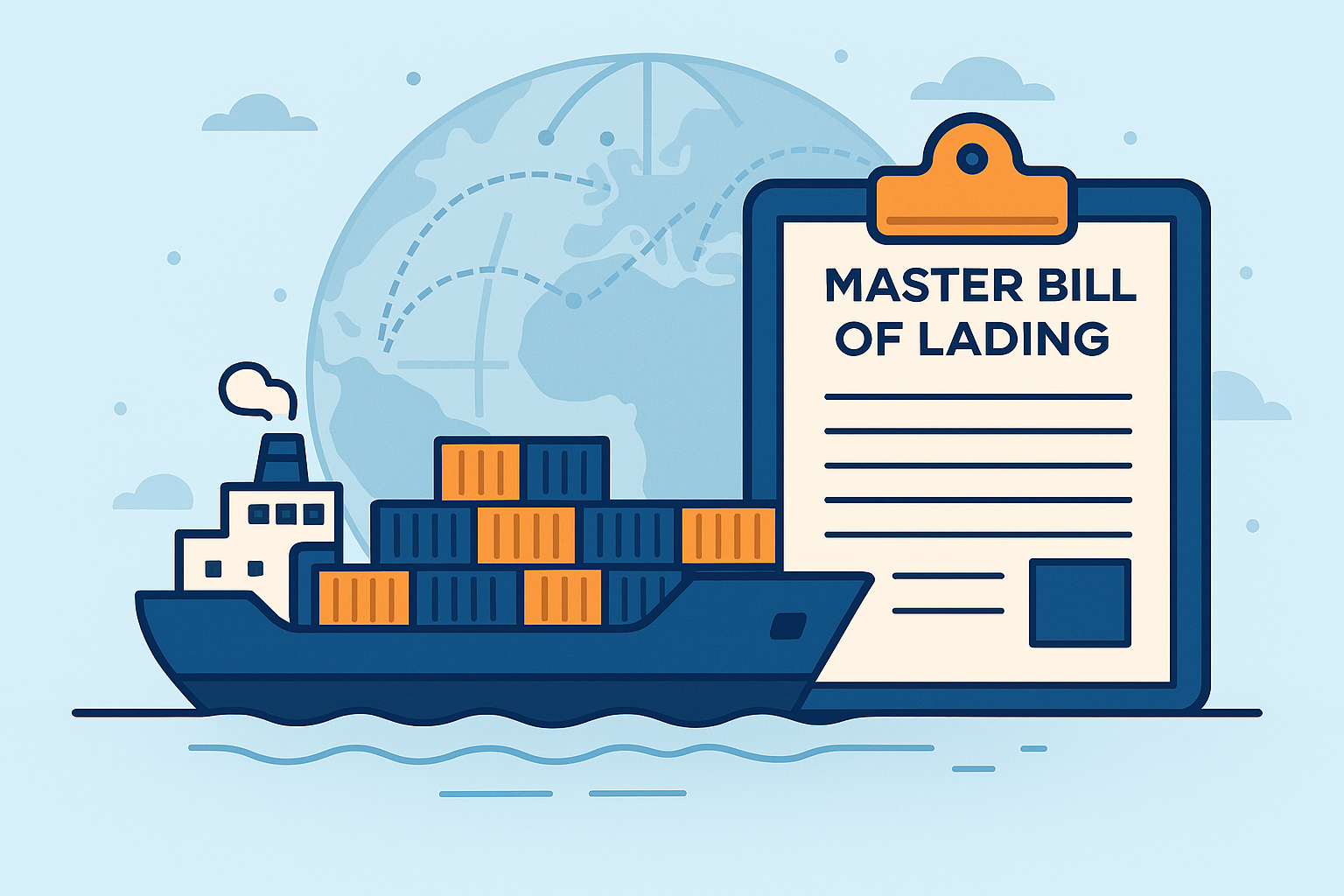
To manage a complex process like logistics smoothly and ensure the continuity of the supply chain from beginning to end, certain key principles must be followed. One of these is the Master Bill of Lading, also referred to as the main or liner bill of lading. It represents an important system used in international transportation.
When maritime trade is examined, container transportation is generally the most preferred method. For this reason, many companies engaged in sea transport operate container-based services. While large companies may prefer to conduct logistics operations using their own container vessels, they may also choose to work with carrier companies through agreements. At this stage, they coordinate with the carrier’s agent to plan the operation.
After the planning phase, once the container vessel departs from the POL (Port of Loading), the agent must issue a document. The original of this document is known as the Master Bill of Lading, also referred to as the main or liner bill of lading.
What Are the Features of a Master Bill of Lading?
The Master Bill of Lading is a valuable document of great importance for ensuring the smooth progression of processes in international maritime trade. This document, which must be presented to the exporting company by the carrier’s agent, protects the rights of the carrier while also holding them accountable throughout the process. This makes it a reliable type of bill of lading.
Through the use of the MBL, the transported goods move smoothly along the supply chain and are delivered safely to the consignee. In addition to proper issuance, it is equally important that the document contains all required information accurately and completely to ensure uninterrupted logistics operations.
So, what information should a bill of lading include?
- Name and address of the importing company
- Name and address of the exporting company
- Name and address of the logistics service provider
- Port of loading
- Port of discharge
- Weight, quantity, and monetary value of the transported goods
- Loading details of the goods
- Description and characteristics of the transported product(s)
- Date of issuance and signatures
These details are essential components of a correctly prepared bill of lading.
Difference Between Master Bill of Lading and House Bill of Lading
The logistics system is a complex process that involves the transportation of goods from the POL (Port of Loading) to the POD (Port of Discharge) through careful supply chain planning. Various documents and procedures are used during this process to ensure smooth and accurate execution. One of the most important of these documents is the bill of lading.
The bill of lading protects the rights of both the carrier and the consignee, ensuring a secure process for both parties until the logistics operation is completed. Therefore, the document must be complete and mutually approved by both sides.
The Master Bill of Lading is prepared upon the request of the shipper and serves as confirmation that the goods are ready for transport. It includes information regarding potential damages or losses that may occur during transportation, as the carrier holds responsibility.
In summary, the master bill of lading defines the transportation rules and conditions and is issued between the shipper, the carrier responsible for implementing these rules, and ultimately the consignee who will receive the goods.
The House Bill of Lading, on the other hand, differs in content. It typically includes loading instructions, product characteristics, and applicable freight tariffs.
In How Many Ways Can a Liner Bill of Lading Be Issued?
The term Master Bill of Lading also appears as “bill of lading” in its literal meaning, functioning as a receipt that guarantees the transportation of goods from the carrier’s port of loading to the port of discharge. It certifies that the goods have been delivered by the shipper to the carrier.
Issuing a liner bill of lading is optional; however, knowledge of the destination port’s regulations is crucial. Some ports do not allow cargo to be discharged without an MBL, even if one was not initially issued. Therefore, understanding the rules of the destination port is essential.
The liner bill of lading can be issued in two ways. The first is when it is prepared directly between the exporting company and the carrier’s agent. In this case, the shipper requests the carrier to issue the bill of lading.
The second method involves liner bills of lading issued between carrier agents and freight forwarders, acting as intermediaries or brokers for the shipment. In this scenario, the shipper works with an intermediary company to issue the liner bill of lading. The freight forwarder handles transportation arrangements, secures permits, manages contracts, and selects suitable carriers.
Additionally, companies acting as cargo brokers play a crucial role in managing complex processes such as shipment tracking and estimated arrival times. While these intermediaries generate economic benefits, they also provide significant time savings. Because they specialize in specific geographic regions, they ensure that cargo reaches the port of discharge efficiently and on time. Proper route selection also contributes to cost optimization. In conclusion, the Master Bill of Lading is a document of critical importance in the logistics process and must be prepared with great care.


 Popular News
.png)