
What Is a Free Trade Zone?
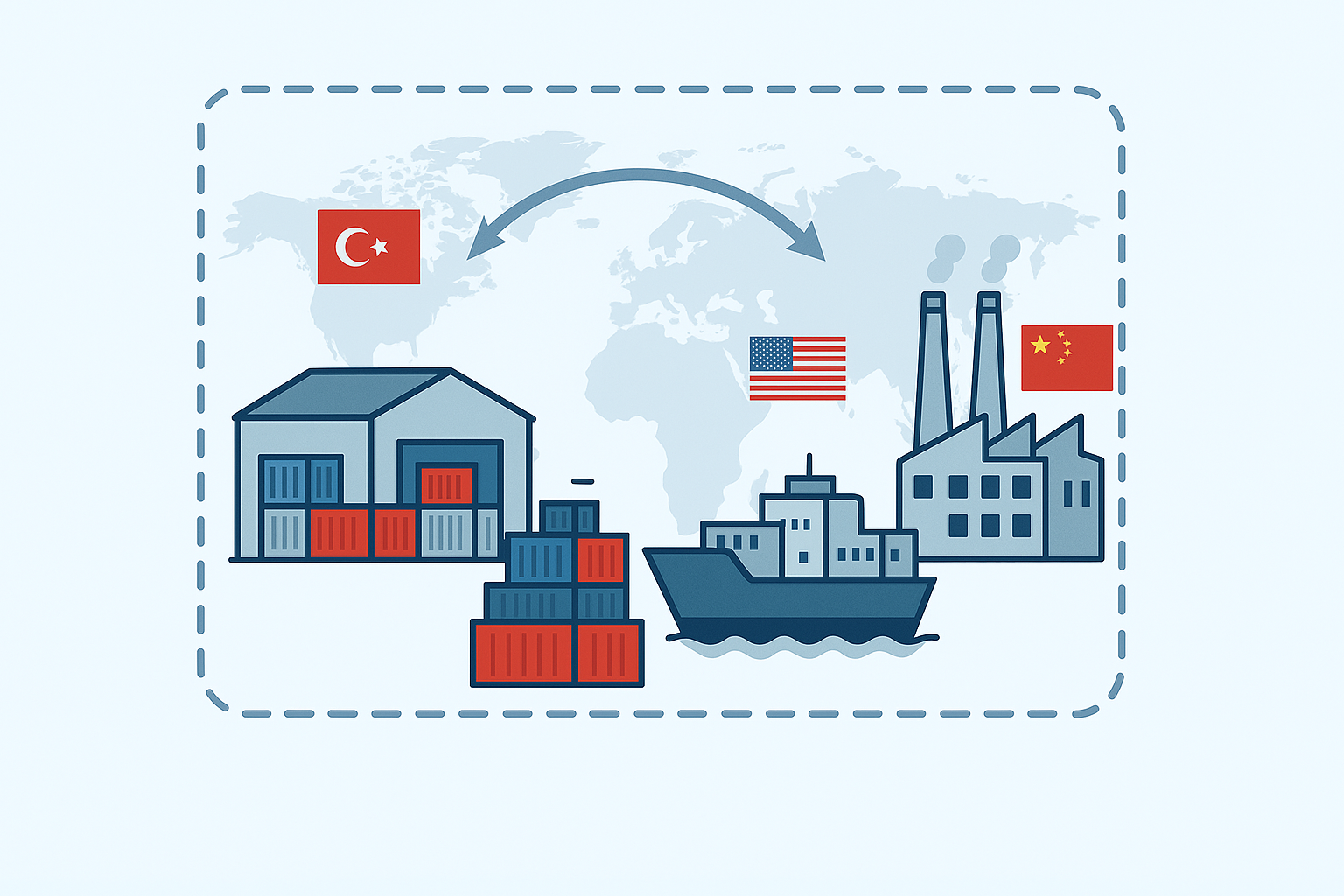
A free trade zone refers to an area that, although located within a country’s borders, is not subject—either partially or entirely—to the commercial or economic regulations applicable in the rest of the country. These zones are generally established near national ports and airports that are outside the customs line and are referred to as free zones.
Free trade zones consist of special areas where imported commercial goods can be brought in without paying customs duties, stored, processed for production or other purposes, and traded with minimal restrictions.
Different incentive programs are applied to activities carried out in free zones. The main objectives are to promote export-oriented activities, increase foreign currency inflows, and attract capital investment. In addition, free zones provide domestic producers with opportunities to compete in global markets. Another major goal is to encourage the development of various industries and increase employment.
Free trade zones offer significant advantages and opportunities, particularly for countries like Türkiye that experience employment challenges and economic fluctuations. Today, it is estimated that more than 50,000 people are employed in free trade zones across Türkiye. As a country with a strong position in global trade, Türkiye benefits economically by leveraging its strategic location advantages through more than 20 free trade zones.
International Free Trade Zones by Country
International free trade zones are widely used worldwide. In addition to offering significant benefits to companies, they contribute to employment and provide substantial economic advantages for host countries. Some countries and their free trade zones can be listed as follows:
- Egypt: With a total of nine free trade zones, Egypt conducts highly active trade across all of them.
- United States: The country with the highest number of free trade zones, with more than 100 zones.
- Israel: Although it has only one free trade zone, it is actively used in trade.
- Malaysia: Has nine free trade zones.
- Dubai: Has eight free trade zones.
- Ireland: Has one free trade zone.
- Georgia: Has two free trade zones.
In addition to these countries, many others such as Romania, Moldova, Latvia, Jordan, Japan, Indonesia, China, and Panama also operate free trade zones. For example, while the North American free trade zone continues to expand, the number of countries giving importance to these zones and the trade conducted within them is also increasing. Many countries involved in free trade zones benefit economically and commercially, which positively impacts both national economies and company profitability.
Free Trade Zones in Türkiye
Türkiye also has a significant number of free trade zones. The provinces hosting free trade zones include:
- Mersin
- Antalya
- İstanbul
- Trabzon
- Izmir
- Rize
- Samsun
- Kayseri
- Adana
- Gaziantep
- Bursa
- Denizli
- Kocaeli
Free trade zones located in these provinces provide major advantages in terms of trade development and economic growth. The number of free trade zones in Türkiye is not limited to these locations and continues to increase. Through ongoing initiatives, new projects and zones are supported by incentives, enabling the establishment of additional free trade zones.
As free trade zones continue to grow worldwide, companies gain more flexible and advantageous opportunities for international trade. For instance, companies operating within Latin American free trade zones and those based in Türkiye’s free zones can engage in mutually beneficial trade under favorable conditions.
What Are the Advantages of Free Trade Zones?
There are many companies operating in free trade zones in Türkiye, and these companies benefit from numerous advantages. Some of the key advantages include:
- 100 percent exemption from corporate tax
- Income withholding tax exemption for companies exporting at least 85 percent of their production
- 100 percent income tax exemption
- Value-added tax exemption
- Customs duty exemption
- Lower energy costs due to VAT exemption on electricity and fuel
- Resource Utilization Support Fund exemption
These advantages significantly increase company profitability, allowing businesses to earn more than they would in regular trade zones. This positively impacts employee wages, employment levels, and overall company performance. Countries benefit from conducting trade within free trade zones by achieving greater competitiveness and higher profitability.
Free trade zones are preferred because they allow companies to benefit from exemptions from national laws, economic regulations, customs duties, and other restrictions, offering greater operational flexibility. Today, many companies either operate in or aim to operate within free trade zones. In addition to the advantages gained, companies benefit from increased profit margins.
To operate in a free trade zone, companies must first obtain the required license. Legal entities and individuals that meet the regulatory requirements and receive authorization may conduct activities within free trade zones. However, it is also essential that there is available space and that relocating facilities or operations to the free zone is feasible.
Companies operating in free trade zones can achieve significant business growth by effectively utilizing the economic advantages offered.


 Popular News
.png)