
What Documents Are Used in Foreign Trade by Sea?
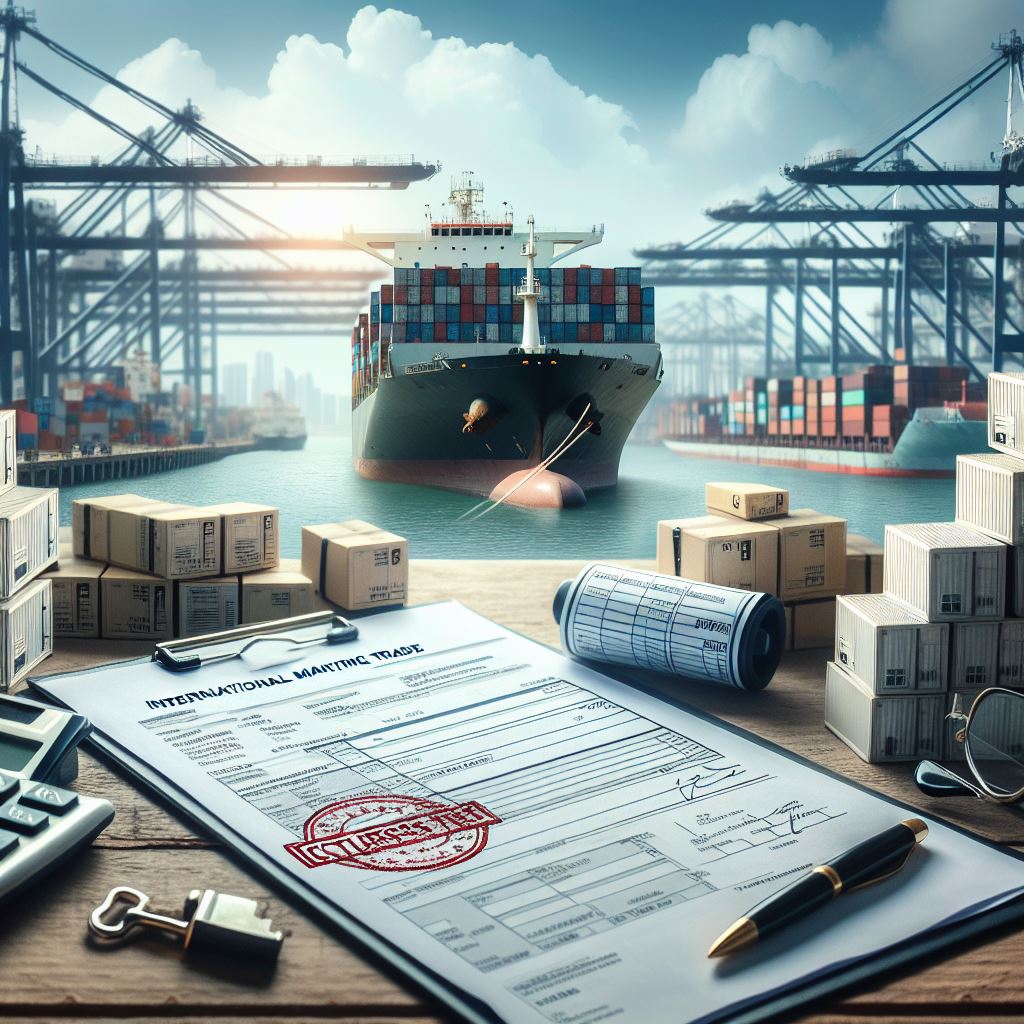
Maritime transportation is one of the most important modes used in international trade. Although it is a frequently preferred logistics method, it must be secured through proper documentation. The use of documents becomes essential to safeguard commercial relationships and manage customs procedures. Among the documents used in foreign trade by sea are the proforma invoice, freight invoice, commercial invoice, and certified invoice. Let’s examine the details of these invoices, each of which serves different purposes and contains different types of information.
One of the first documents used in foreign trade is the proforma invoice. It is a preliminary invoice that includes the details of the goods or services offered by the seller to the buyer. This document is used at the beginning of commercial negotiations and helps clarify the details of the transaction.
The freight invoice includes the costs arising during transportation. In maritime transport, it is issued by shipping companies and contains detailed information about freight charges.
Another essential document is the commercial invoice. This is the primary trade document that certifies the sale of goods or services from the seller to the buyer. It is required for customs procedures and payment processes.
The certified invoice is an invoice that gains official validity after being approved by an authorized institution. It is often used in customs procedures and ensures the legal validity of the document.
In maritime foreign trade, these documents help transactions proceed smoothly and in an orderly manner. They also enhance reliability in international trade and contribute to building strong commercial relationships between parties.
Proforma Invoice
The proforma invoice is one of the most important documents used in international maritime trade. It includes detailed information about the goods or services offered by the seller. It is commonly used before transactions begin, helping clarify trade terms, prevent disputes, and organize the trading process.
This document includes details such as the quantity, type, price, and other key specifications of the goods or services. It allows the buyer to review and approve the pre-defined conditions offered by the seller. Additionally, it is used to arrange customs formalities in import and export processes.
Another key function of the proforma invoice is facilitating financial planning. Buyers can estimate costs in advance and plan their budgets accordingly. It is also used in international payment processes and contributes to smooth trade execution. By providing a transparent starting point, it establishes a solid foundation for a clear and well-structured commercial relationship between seller and buyer.
Freight Invoice
Invoices used in maritime transportation ensure that trade processes are conducted in a systematic and reliable manner. The freight invoice documents transportation costs incurred during shipping and enables smooth trade operations. This document is issued by the shipping company or carrier providing the transport service and is usually addressed to the buyer.
It includes details such as the type and quantity of goods shipped, cargo characteristics, route information, freight charges, and payment terms. Buyers can review transportation costs through this document and organize their payment schedules accordingly.
Since maritime transportation is widely used in international trade, the freight invoice plays a major role in maintaining order in trade processes. It is essential in customs clearance, insurance, and payment procedures. Additionally, it helps resolve potential issues during transit and supports trust between trading parties by ensuring transparent communication throughout the transportation process.
Commercial Invoice
The commercial invoice is one of the fundamental records in international trade. It is a vital document containing information related to goods or services and is issued by the seller to the buyer to ensure a secure transaction.
This invoice includes details such as product type, quantity, unit price, total value, payment terms, and contact information of both parties. It serves as a basis for accounting records, payment procedures, and customs clearance.
Used alongside other trade documents in import and export operations, the commercial invoice supports transparent and uninterrupted trade. During transportation, it also guides insurance processes and reinforces trust between parties by demonstrating compliance with contractual obligations. It is one of the most frequently used invoices in international trade and ensures that transactions are completed clearly and systematically.
Certified Invoice
The defining feature of a certified invoice is its official approval. It is verified by chambers of commerce, notaries, or other authorized institutions. This approval ensures the accuracy and legitimacy of the document and increases its official validity in international trade.
The invoice includes essential information such as the type, quantity, unit price, total value of goods or services, payment terms, and contact details of the parties involved. It also bears a seal or signature indicating verification by an official authority.
When customs officers recognize the official nature of the certified invoice, they can conduct transactions more confidently. Certification ensures compliance with contractual terms, facilitates transparent trade, and strengthens mutual trust. As an officially verified document, it is extremely important for customs procedures and other official processes.


 Popular News

.png)