
What Are the Vehicle Types Used in Road Transportation?
Road Transportation Vehicle Types and Their Uses
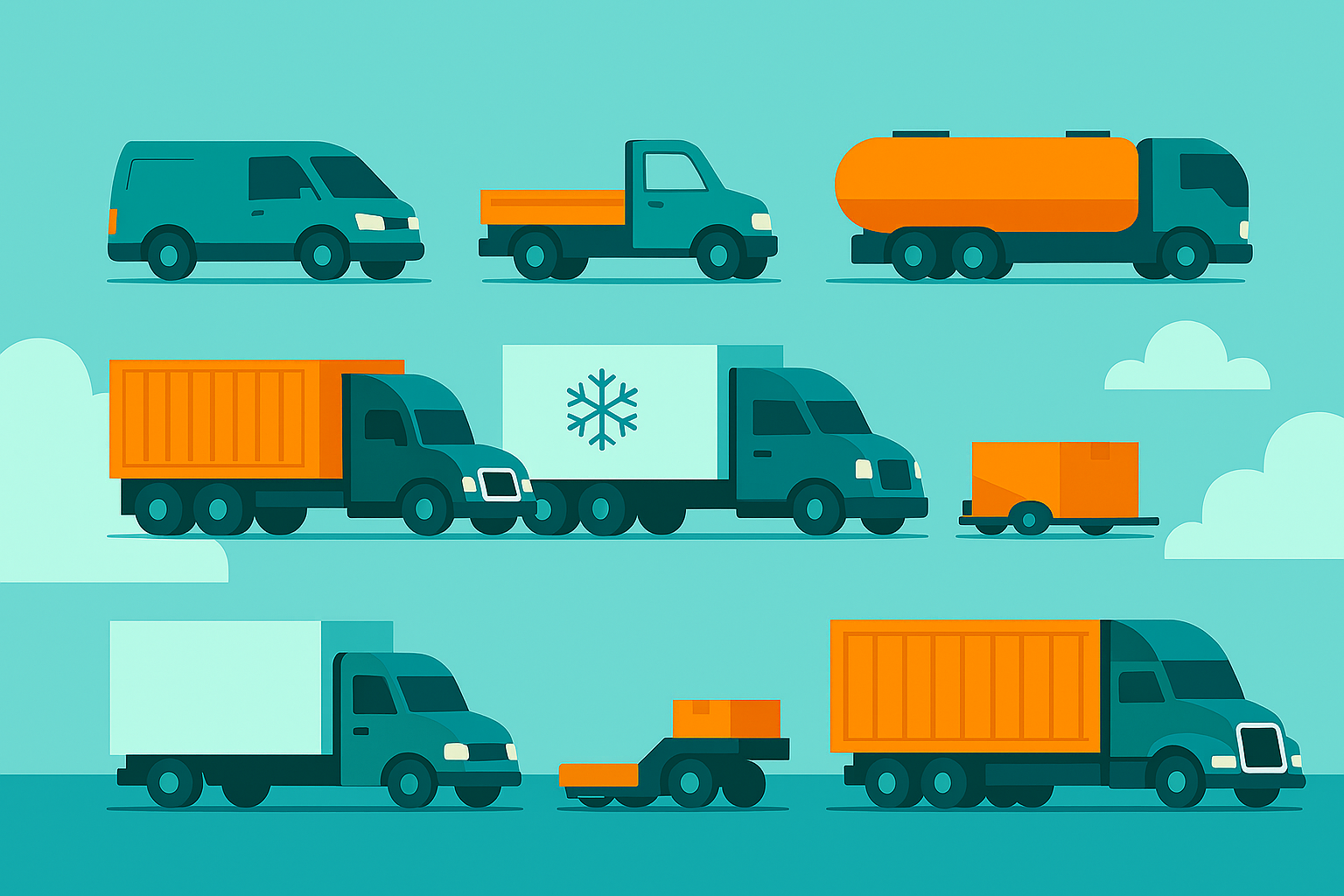
To ensure that goods and cargo are safely transported from one place to another, the vehicles used in road transportation vary depending on the type, quantity, size, and other requirements of the load. Each vehicle plays a crucial role in delivering shipments on time, safely, and in the most appropriate manner. Here are the types of road logistics vehicles and their areas of use:
Pickup Trucks
Commonly used for transporting small-scale loads, pickup trucks are vehicles with high maneuverability. Classified as Category 1, they can move easily in narrow areas while still offering high carrying capacity. Pickup trucks are typically used for urban transportation, business shipments, and e-commerce deliveries.
Open-Body Trucks
Classified as Category 3, open-body trucks pose risks in terms of weather exposure but have a wide range of uses in transportation. They are primarily used for transporting large and heavy loads. Open-body trucks make loading and unloading easier—similar to trailers—and are preferred for moving construction materials, wood, cement, and similar goods.
Closed-Body Trucks
Among road logistics vehicles, closed-body trucks offer ideal size and protection, making them suitable for transporting relatively fragile and valuable goods. Category 3 closed-body trucks are used for items such as electronics, food products, or textiles—goods that may be prone to damage. They provide advantages not only for the safety of the load but also for privacy.
Trucks and Trailers
Widely used in road transportation, trucks and trailers (classified as Category 4 and 5) are typically employed for long-distance transport. These vehicles are designed for carrying heavy and large-volume loads and can be manufactured according to the characteristics of the cargo. A truck carries a single large cargo unit attached to it, whereas a trailer refers to each wagon connected by separate semi-trailers.
Tankers
Tankers are primarily used for transporting liquids, such as petroleum, chemicals, liquid food products, and water. Designed with special safety features to prevent leakage or spillage, tankers are essential not only in logistics but also for environmental protection.
Refrigerated Vehicles (Frigorific Vehicles)
Refrigerated vehicles, which are not classified within standard road vehicle categories, are highly important in logistics for temperature-controlled transportation. They are used to transport goods that must be kept in cold environments—such as food products, pharmaceuticals, and certain chemicals. These vehicles are equipped with specially designed cooling and heating systems to keep products fresh.
Lowbed (Low-Chassis) Vehicles
Used especially for transporting tall and heavy loads, lowbed vehicles allow construction machinery and industrial equipment to be transported easily thanks to their low chassis design. They are commonly used in major construction projects and heavy industries. Their low structure not only provides stability during transport but also facilitates passage through bridges, tunnels, and similar structures.
Container Carrier Vehicles
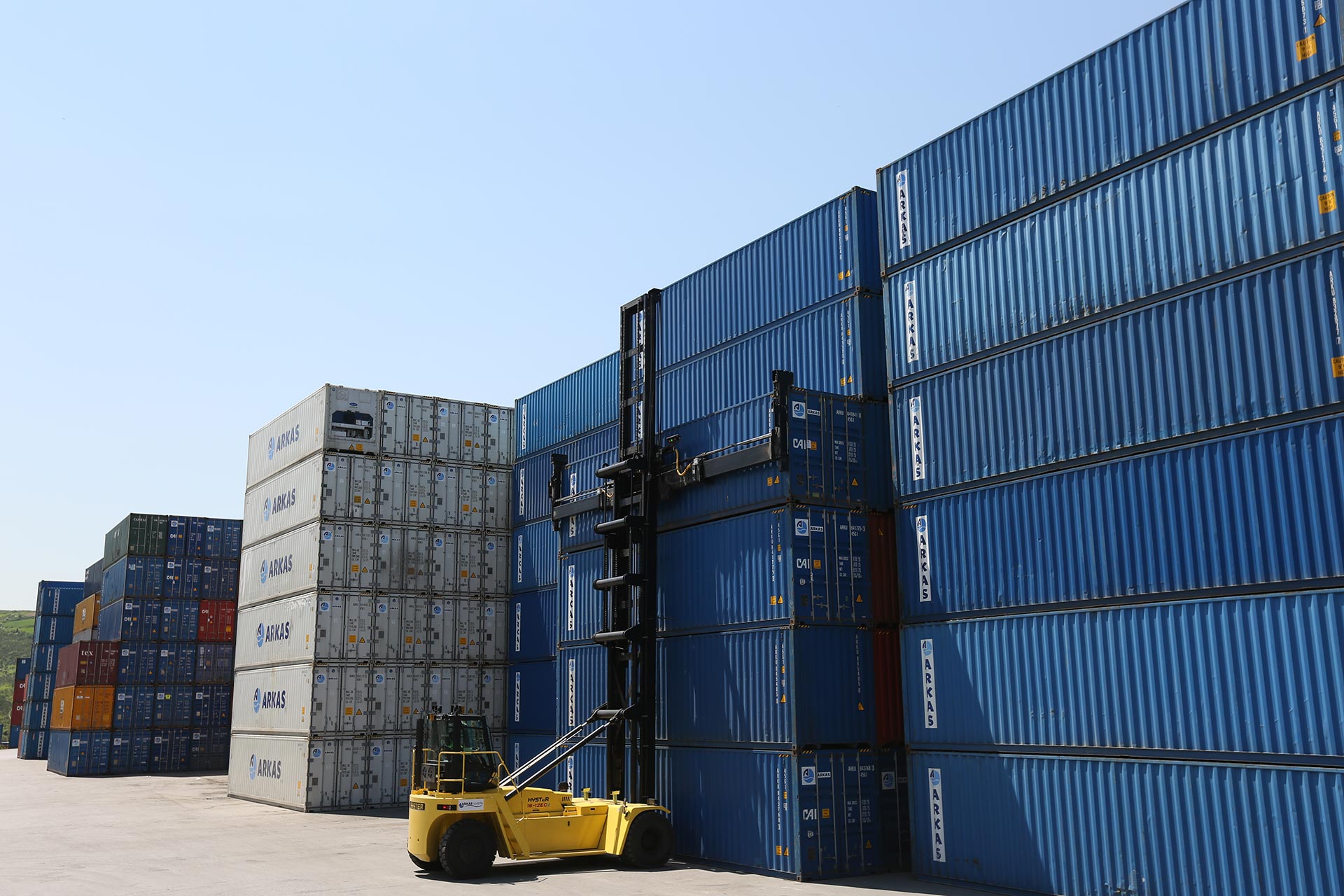
These vehicles are specifically designed for transporting standard containers and are widely used by major logistics companies and firms engaged in international trade. Container carrier vehicles integrate sea and road transportation, making transitions between different transport systems easier and enabling fast delivery.
Dumper Trucks (Earthmoving Trucks)
Classified as Category 3, dumper trucks have high load-carrying capacity and are built to withstand tough working conditions, making them suitable for construction and mining sites. They are frequently used for transporting soil, rocks, rubble, and similar construction debris.
Panel Vans
Commonly used for transporting goods within city limits, panel vans are primarily used for commercial purposes. Classified as Category 2, panel vans transport small items such as commercial materials or household goods. Their enclosed cargo area ensures the safe delivery of transported products.


 Popular News

.png)