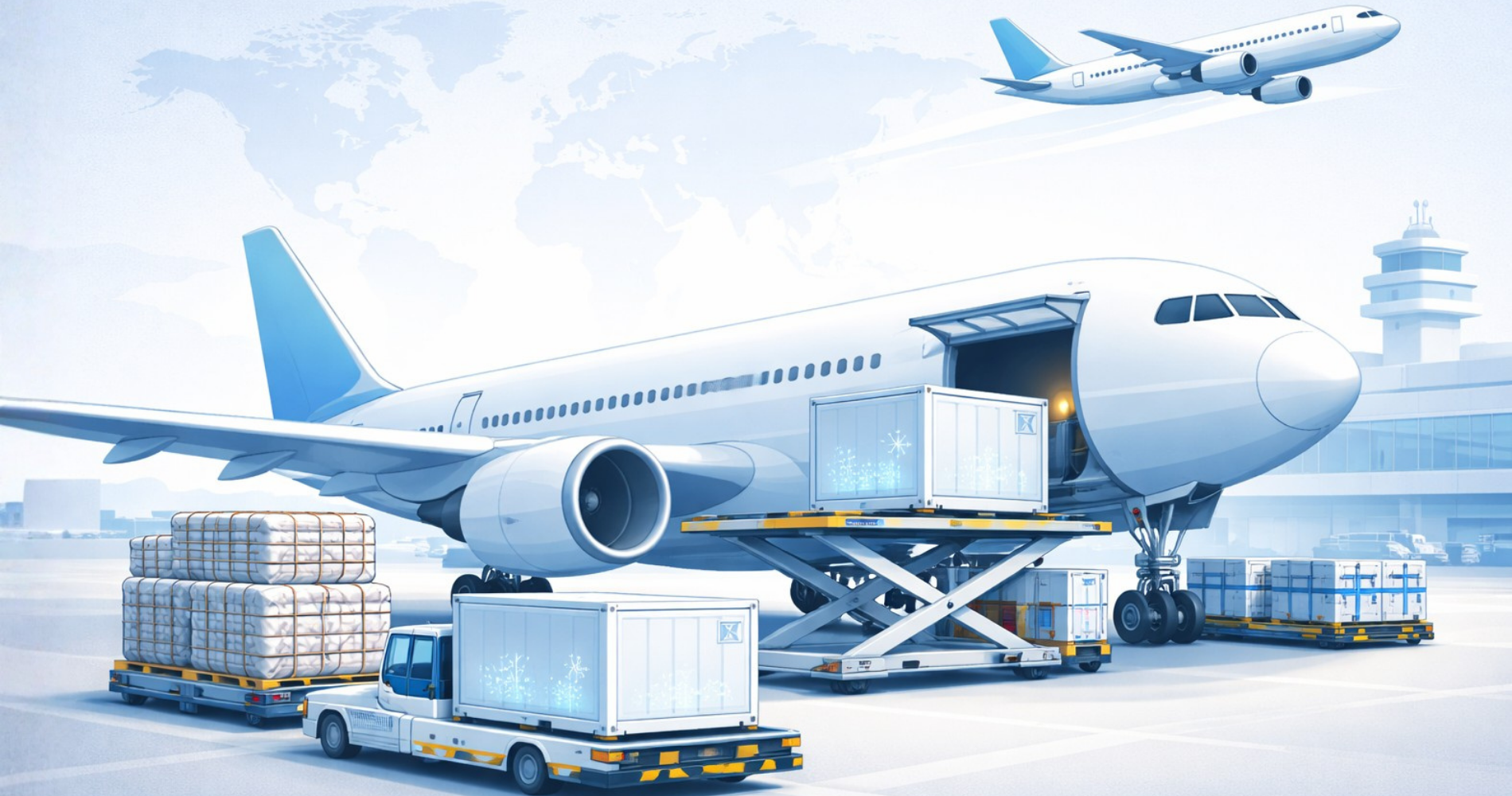

The Importance of Pallet Quantity in International Transportation
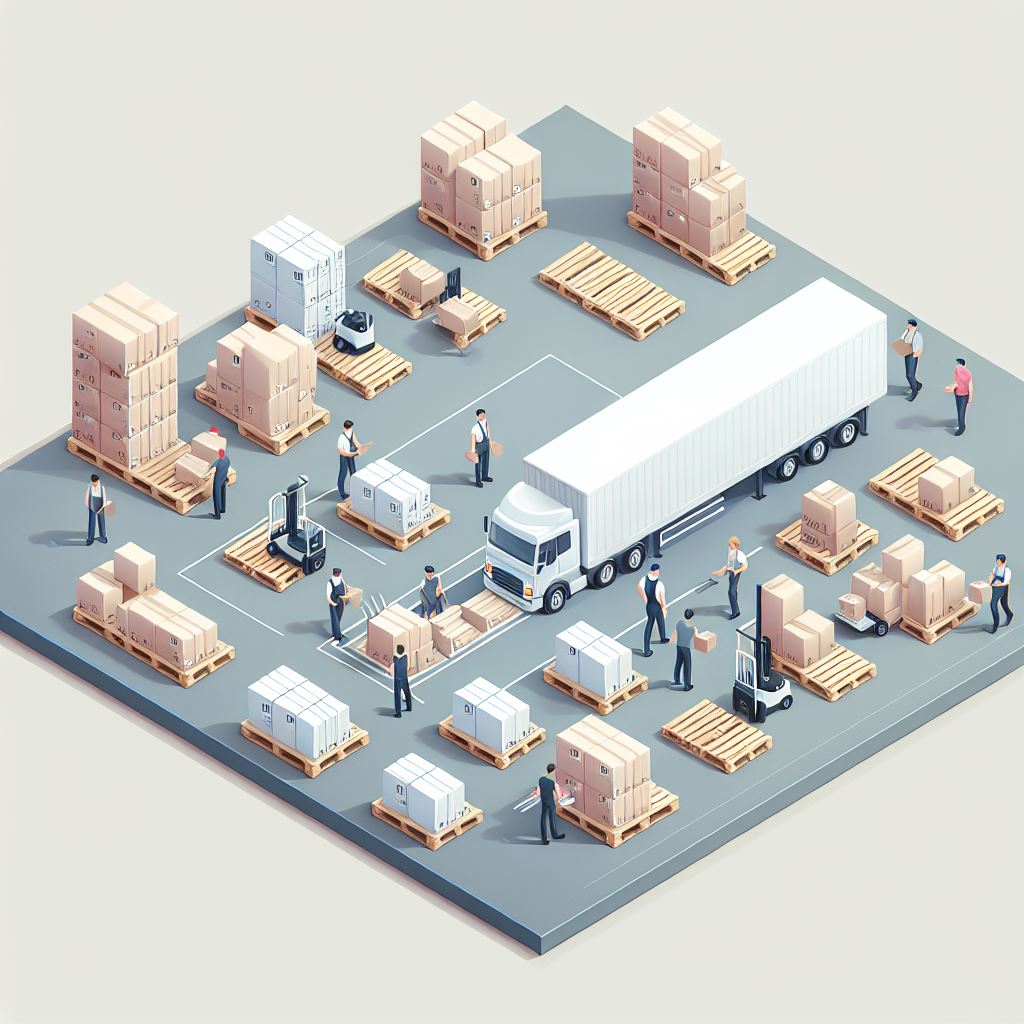
As global trade expands, the secure and efficient transportation of goods has become increasingly important in international logistics. Many factors must be considered and prepared during the shipping process, and pallet quantity is one of them. Pallets are among the most essential tools that ensure goods are transported safely and in an organized manner.
The use of pallets in international transportation enables proper load distribution and stacking. This increases the number of products that can be stacked, improves transportation efficiency, and helps prevent damage by ensuring goods are stacked evenly and securely. Pallets also simplify handling and storage processes, saving both time and labor.
Accurately calculating the number of pallets facilitates smooth coordination of transportation operations. Efficient use of transport capacity is achieved by safely carrying more goods on a single pallet, contributing to overall cost savings in logistics operations. Compliance with pallet standards during international transit supports adherence to global trade regulations and customs protocols. Palletization creates a common language across all supply chain participants, facilitating clearer communication. Strategically planning pallet quantities increases the likelihood of success in international markets.
How Many Pallets Are Used in Partial Shipments for International Transportation?
Due to its flexibility and cost efficiency, partial transportation is a recommended option for international shipments. In partial shipment scenarios, cargo from multiple customers is transported on pallets instead of a full truckload belonging to a single shipper. Each customer’s goods are consolidated onto separate pallets. The number of pallets in partial shipments depends on vehicle size, cargo volume, and customer demand.
Proper pallet arrangement is essential for accurately evaluating the transportation process in partial shipments. Pallets are organized to optimize the available space within the vehicle. Transportation costs can be shared, allowing products from multiple customers to be combined and providing more affordable pricing for each shipper.
Flexibility is one of the key advantages of partial transportation. Goods of varying dimensions and weights can be securely and orderly transported on the same pallet. This allows logistics operations to respond more quickly to customer demands.
Once the logistics strategy is defined, the pallet quantity should be determined accordingly. It is important to note that having the correct number of pallets increases customer satisfaction and transportation efficiency. Careful planning of pallet arrangement and quantity enables successful logistics operations in partial transportation.
Why Is Pallet Usage Important in International Transportation?
Pallets are essential for ensuring logistics operations run smoothly and successfully. They guarantee the safe and organized transportation of goods. The required pallet quantity in international transportation is determined by factors such as cargo type, cargo volume, and vehicle size. Pallets reduce the risk of damage and keep goods organized and secure during transit. Properly positioned products can withstand shocks and vibrations, ensuring safe delivery to the destination.
Pallets simplify transportation procedures and help logistics processes progress more quickly, resulting in time savings. Palletization improves the organization of transportation and storage procedures and accelerates loading and unloading operations. These benefits increase operational speed and efficiency while reducing labor costs.
Accurately determining pallet numbers also helps reduce transportation costs. Carrying more goods on the same pallet enables more efficient use of transport capacity, lowering overall logistics expenses. For a competitive and successful international logistics operation, pallets play a vital role in ensuring goods are transported securely and efficiently. When used correctly, pallets improve productivity and ensure logistics processes are completed quickly and safely.
Why Are Pallets Used in Partial Transportation?
Partial transportation combines cargo belonging to different customers. In this process, the use of pallets plays a major role in ensuring successful partial shipments. There are numerous advantages to using pallets in partial transportation.
Pallets allow goods from different customers to be transported in an organized manner. This organization ensures even placement and balanced weight distribution during transportation. Properly arranged goods minimize the risk of damage during transit and help ensure safe delivery.
Pallets used in partial transportation also simplify handling operations. When goods are placed using standardized partial pallet dimensions, loading and unloading become easier and more efficient. This reduces labor costs and contributes to better management of logistics processes while offering advantages in speed, cost efficiency, and sustainability.
Using pallets in partial transportation allows transport vehicles to utilize capacity more effectively. Properly selected pallet sizes support an organized layout that improves transportation efficiency and environmental sustainability. As a result, carbon emissions and transportation costs are reduced.
Pallets are used because they support the safe, efficient, and orderly execution of logistics operations. Their benefits include cost efficiency and increased customer satisfaction.


 Popular News

.png)