
Low-Cost Shipping with Maritime Transportation
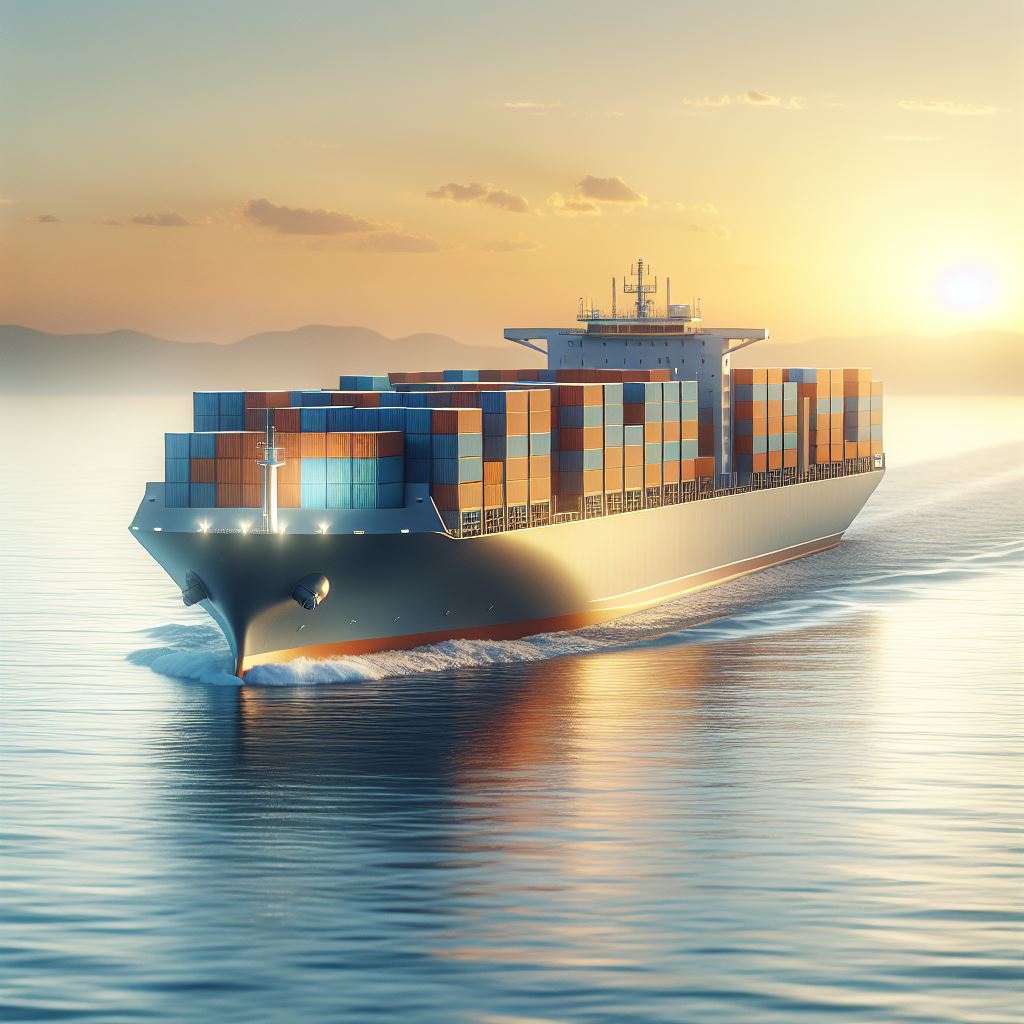
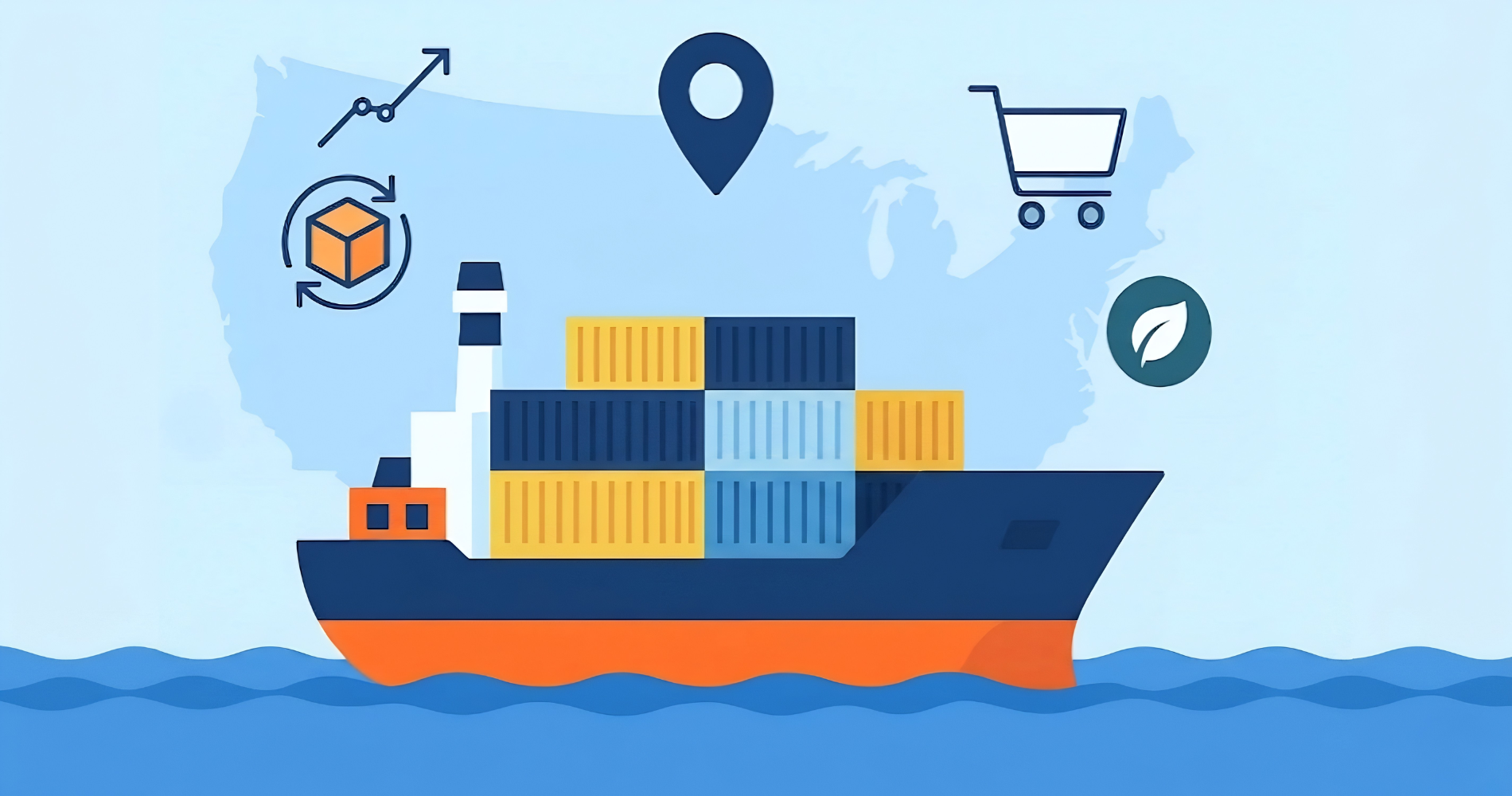
Maritime transportation is one of the most popular transport methods in international trade due to its low cost, ability to carry extremely large volumes of goods, and environmentally friendly structure. When developing logistics plans for efficient and profitable transportation, its advantages are carefully considered.
Low-cost sea transportation is unique in international trade, not only facilitating the movement of large volumes of cargo but also offering significant financial benefits. It does not only enhance sustainability but also helps businesses increase profit margins and gain a competitive advantage in the market.
Thanks to container systems and the practicality of transporting large quantities of goods, businesses can ship cargo regardless of whether containers are partially or fully loaded. Moreover, these shipments can be carried out at remarkably low prices.
In addition to affordability, another major advantage of maritime transportation is its environmentally friendly nature. Compared to other modes of transportation, it has a lower carbon footprint, making it an ideal solution for promoting sustainability.
As an eco-friendly alternative, companies inevitably benefit from improved corporate reputation. It is a proven fact that organizations with strong social and environmental missions are perceived as forward-thinking and future-oriented.
Why Is Maritime Transportation So Cost-Effective?
Due to its low costs, businesses increasingly prefer maritime transportation, while consumers often wonder why it is so affordable. Factors such as long-distance hauling capabilities, energy efficiency, and the use of large-capacity vessels have significantly reduced transportation costs. These advantages support business planning and encourage sustainable trade practices.
Why is maritime transportation so inexpensive? Several core components explain this. First, it is ideal for transporting large-scale cargo. The use of standardized containers and vessels with massive capacity allows large quantities of goods to be transported simultaneously. As a result, the cost per unit is significantly reduced.
Another critical factor is low energy consumption. The amount of fuel consumed per ton—known as transportation cost efficiency—is considerably lower than that of alternative transportation methods. Long-distance travel capabilities play a key role in reducing costs. Intercontinental and long-haul shipping contributes directly to lowering unit costs, making maritime transportation financially advantageous.
Maritime Transportation Pricing
Although maritime transportation is known to be more economical than other transport methods, several factors influence pricing. Sea freight rates vary depending on cargo characteristics, distance, port infrastructure, and overall economic conditions.
As one of the most critical logistics methods in global trade, maritime transportation plays a major role in strategic business decisions. It offers more cost-effective solutions for maintaining the flow of goods compared to other transport modes. Sea freight prices fluctuate based on several key elements.
Distance is one of the primary cost determinants. In long-distance shipments, the cost per unit decreases due to vessels’ large carrying capacity. This reduction is further supported by the ability to transport large volumes simultaneously. Additionally, costs may vary depending on port infrastructure, route selection, port fees, and insurance premiums. Efficient route planning and developed port infrastructure are fundamental components of successful logistics operations.
Supply and demand balance is another important factor. During peak trade periods, increased demand can lead to higher sea freight rates. Energy costs, vessel operations, and global economic conditions also affect pricing. By carefully analyzing these variables and developing strategic budgeting plans, businesses can optimize costs and plan logistics operations efficiently.
Vessel Voyage Cost Calculation
For businesses considering maritime transportation, calculating voyage costs is a crucial component of budget planning. It shapes the decision-making process for logistics solutions and represents an analytical step toward gaining competitive advantage. Accurate calculations and well-designed strategies are essential for long-term success.
Proper planning and management of maritime operations require thorough voyage cost calculations. These calculations involve evaluating multiple variables to accurately estimate expenses. Fuel costs are the most critical factor, influenced by fuel prices, energy efficiency, route length, and vessel type.
Other operational costs include crew salaries, maintenance, insurance, port fees, customs duties, and cargo security. These must all be factored into total voyage cost calculations.
Route selection and voyage duration also play a key role. Variables such as route difficulty, port efficiency, and weather conditions can significantly impact costs. Thanks to technological advancements and data analytics, voyage cost calculations have become more precise and efficient. Advanced logistics software and real-time data enable more accurate cost estimations, ultimately improving operational efficiency.


 Popular News

.png)