
How Is Far East Maritime Transportation Carried Out?
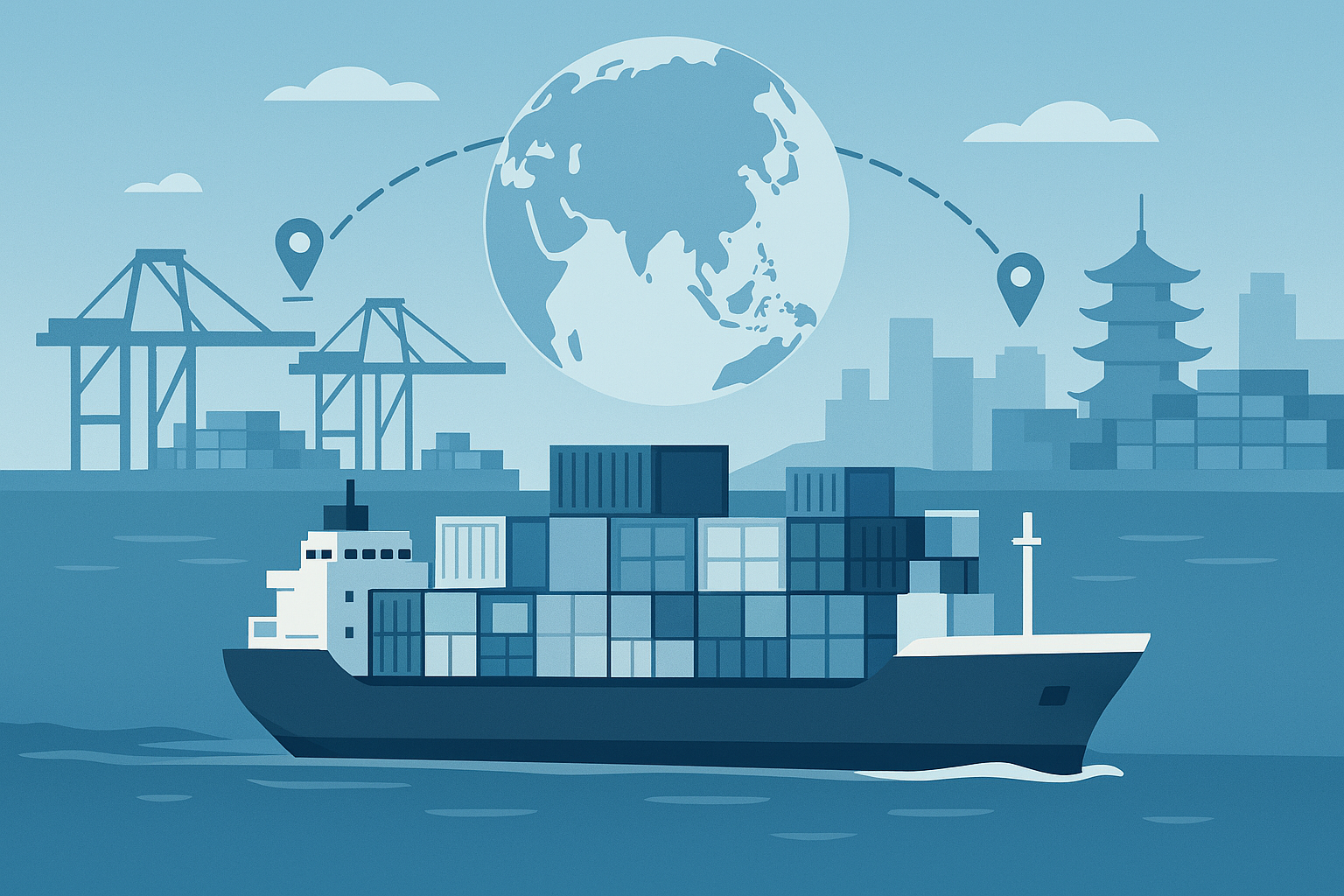
Maritime transportation is one of the most preferred transportation methods compared to others and plays a vital role in global trade. It also contributes to the development of trade between countries located on different routes. Many product groups are transported using this method with minimized risks. In addition to being economical, it allows large volumes of cargo to be transported in a single shipment. Countries with access to the sea can safely deliver their cargo from port to port. Moreover, maritime transportation avoids issues such as country border crossings and customs-related problems commonly experienced in road transport, as well as airspace risks associated with air freight. As a result, maritime transportation offers shippers a practical and efficient supply chain solution.
There are several critical points during the process from the loading port to the discharge port. The most important of these is ensuring that the cargo arrives at its destination safely and without damage. Maritime transportation minimizes potential risks. Cargo is placed into containers according to its characteristics and requirements and reaches the discharge port securely. As the distance between countries increases, the importance of secure transportation and transit time grows proportionally. Far East maritime transportation operates on a tramp basis, meaning it follows an irregular schedule. Ships do not depart from ports until they are fully loaded.
Key Points to Consider in Far East Transportation
There are several important points to consider when transporting goods to the Far East. Knowing the distance between the port of loading and the port of discharge provides a significant advantage in time management. Proper planning is essential to prevent potential delays, especially at ports. Preparing all required documentation in advance is a major factor in ensuring smooth logistics operations. All of these points together provide an answer to the question, “How is Far East maritime transportation carried out?”
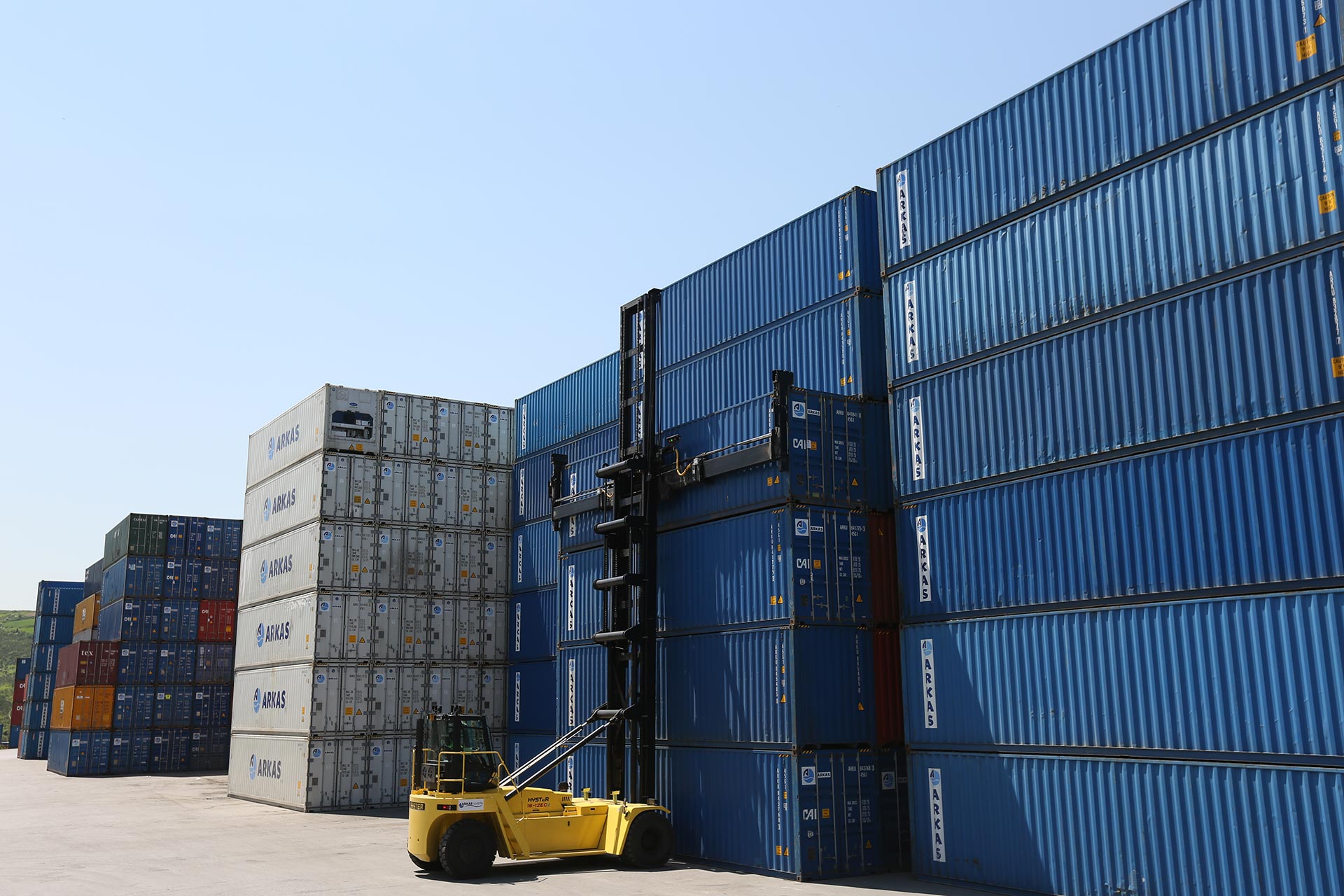
Additionally, certain criteria must be considered depending on the type of cargo transported from port to port. For example, if food products or perishable goods are being shipped to Far East ports, factors such as power supply control, external temperature monitoring panels on containers, and the use of generators in case of power outages must be carefully managed to prevent risks.
Which Products Are Commonly Transported in Far East Maritime Transportation?
East Asia, or the Far East, holds strategic importance in global trade. The geographical spread, development, and the emergence of diverse markets in this region play a crucial role in shaping logistics processes. Solutions designed specifically for distant ports such as those in the Far East are essential to ensure smooth operations. With the right approaches, Far East maritime transportation does not pose difficulties in terms of product delivery or port access.
A wide variety of products can be transported from port to port using the correct methods. Proper container selection is of great importance in this process. In addition, vessels heading to long-distance ports can be tracked through remote monitoring systems to determine their exact location. This not only reassures the receiving customer by providing updates on the route but also enables the identification of alternative solutions in case of potential problems. Being able to determine alternative routes provides flexibility for the shipping company. Adjusting routes based on current conditions significantly contributes to the safe delivery of cargo to the consignee.
Types of Far East Maritime Transportation
Effective container selection and management are essential in Far East transportation to ensure efficient time management and prevent losses. Determining which container type will be used and scheduling loading and unloading operations are critical aspects of the operational phase in maritime transportation. With the logistics sector’s continuous development, innovative solutions are increasingly applied to improve efficiency. To ensure that cargo is transported safely and smoothly from the loading port to distant discharge ports, certain maritime transportation types are used.
Far East maritime transportation is divided into two main types: full container load transportation and partial container transportation. Full container load transportation is used when the container is completely filled with cargo belonging to a single shipper. Partial container transportation is used when the container is not fully loaded. In full container load transportation, there is only one consignee. In partial container transportation, cargo belonging to multiple consignees is consolidated within the same container. This marks the beginning of the logistical process in maritime transportation. Thanks to partial transportation offerings and Far East maritime transportation pricing, shippers with smaller cargo volumes can benefit from an economical solution without needing to rent an entire container. Customers pay only for the space occupied by their cargo. Freight costs are distributed among cargo owners, creating significant economic advantages. As a result, the preference for partial transportation increases considerably. In addition, multiple customers along the same route receive their cargo without the need for additional operations. If you do not want to worry about supply chain challenges even across long distances, you can experience a seamless logistics process with Shipeedy.


 Popular News
.png)