
Everything You Need to Know About the Panama Canal
There are many structures in the world that have remained important throughout history and continue to retain their significance today. One of these is the Panama Canal, which has long been a subject of interest and research. In this blog, we answer the most frequently asked questions such as “What is the Panama Canal?”, “When was it built?”, and “Where is it located?”, while also covering more detailed and intriguing information.
The question “Where is the Panama Canal located?” can be answered by saying that it lies within the territory of Panama, at the southernmost part of Central America. Because it connects the Atlantic Ocean and the Pacific Ocean, it is classified as a waterway. The Panama Canal, which connects two oceans and holds a highly strategic geographical position, is exactly 82 kilometers long. Its construction took approximately ten years, making it both a historically significant and strategically vital canal.
What Is the Panama Canal?
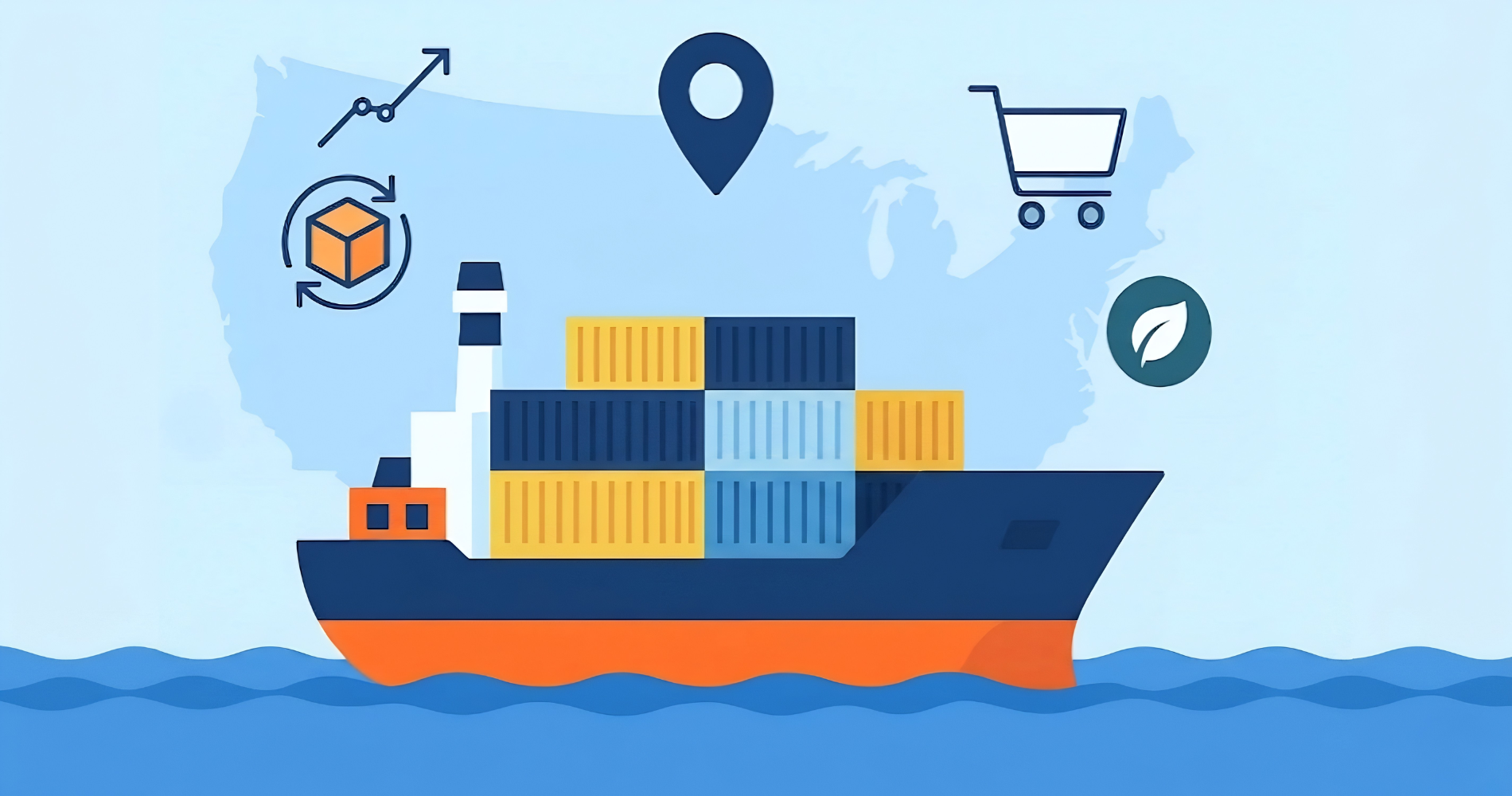
When providing information about the Panama Canal, the first point mentioned is that it is a man-made waterway. The primary purpose of constructing the Panama Canal was to facilitate global trade by enabling faster and more efficient maritime transportation, thereby reducing both time and costs. Today, countries around the world maintain intensive trade relations with one another. The importance of the Panama Canal becomes even more evident, especially in trade between regions such as China and the United States, where it significantly reduces transit time and transportation costs.
General Information About the Panama Canal
The Panama Canal was highly influential at the time it was built and continues to maintain its importance today. In addition to its positive impact on global trade, its continued use is one of the key reasons for its lasting relevance. One of the most frequently asked questions is “Which oceans does the Panama Canal connect?” The canal links the Atlantic Ocean and the Pacific Ocean, which is why it is also referred to as a waterway. It is also commonly described as one of the longest and most important canals in the world.
Among the main features of the Panama Canal is its total length of 82 kilometers. Construction originally began in 1881 but was halted due to severe engineering challenges and worker fatalities. Construction resumed in 1904 and took approximately ten more years to complete. The canal was officially completed in 1914. Featuring three lock systems, the Panama Canal is still fully operational today.
For example, a ship traveling between New York and San Francisco would cover approximately 22,500 kilometers without using the Panama Canal. By using the canal, this distance is reduced to around 9,500 kilometers.
From the Construction of the Panama Canal to the Present Day
Although the Panama Canal project began in 1881, numerous engineering difficulties and widespread worker deaths caused the initial efforts—led by the French—to fail. After this unsuccessful attempt, the project was abandoned for a period. In May 1904, the United States took over the project and resumed construction.
The question “When was the Panama Canal opened?” can be answered as follows: after the United States assumed control of the project, construction was completed and the canal officially opened on August 15, 1914. During construction, approximately 27,500 workers lost their lives due to diseases such as malaria and yellow fever. The canal also serves as a geographical division between North and South America.
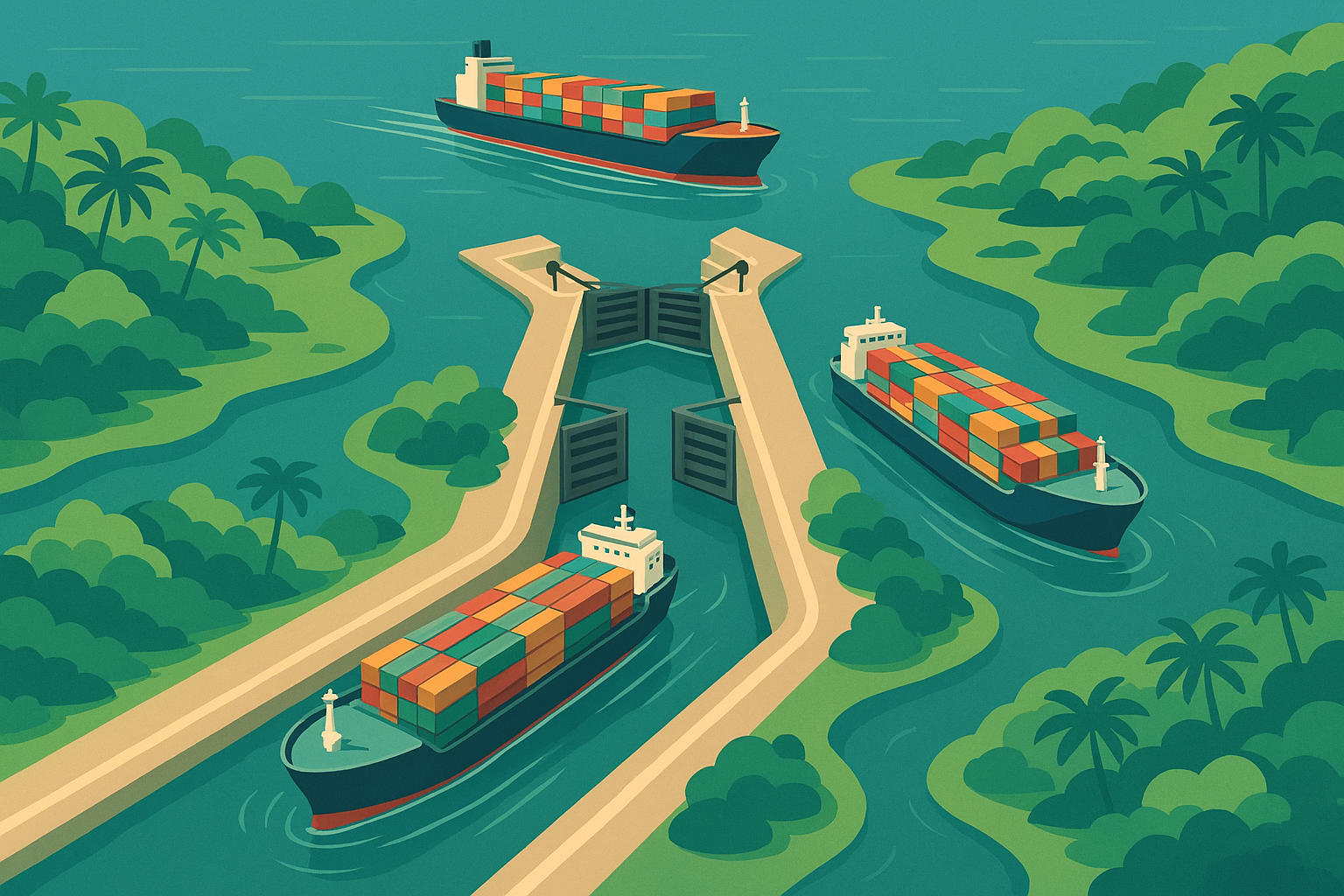
The entire Panama Canal can be traversed in approximately nine hours. Thanks to its lock system, vessels can safely pass through otherwise difficult elevations. Even today, the Panama Canal is considered one of the greatest engineering marvels in the world and is also recognized as one of the most expensive canals ever built. By improving social and economic conditions in the region and raising the standard of living, the canal has made a substantial contribution to Panama’s national development.
With sections located 28 meters above sea level, the Panama Canal was constructed using remarkable engineering knowledge. By applying the principle of fluid equilibrium, ships are gradually raised within the canal and transported smoothly to the opposite side.
The Importance of the Panama Canal
Trade between countries has been widespread for centuries, and maritime transportation has played a key role in this exchange. Designed decades ago and considered an engineering marvel, the Panama Canal has provided immense convenience from the time it was built to the present day.
The canal has successfully shortened the distance between the Atlantic and Pacific Oceans by approximately 8,000 nautical miles, which translates into a time advantage of nearly 22 days.
Today, it is estimated that around 40 vessels pass through the canal daily, with approximately 20,000 ships transiting annually. This results in significant fuel savings and substantial reductions in travel time, enabling global trade operations to be completed much more efficiently.
It is estimated that nearly 203 million tons of cargo pass through the canal each year, accounting for approximately 10 percent of global maritime trade. Since 2003, the canal has been managed by the Panamanian authorities and is known to generate over one billion dollars in annual revenue.
The Panama Canal also contributes to the increasingly important goal of sustainable living by supporting fuel efficiency and reducing carbon footprints. Although it initially failed in 1881, the canal was later realized by the United States and introduced to the world as one of the largest infrastructure projects ever undertaken. Today, it continues to be regarded as one of the most successful canal projects in history.


 Popular News
.png)