
Effective Transportation and Distribution Solutions in Automotive Logistics

The automotive industry is built on a broad production and supply network, which requires efficient management. Logistics can be defined as the process that covers the journey of vehicles and spare parts from the production stage to the final customer. Automotive logistics includes multiple stages such as transportation, storage, inventory management, tracking, and distribution. Optimizing these processes is essential to enhance the sector’s global competitiveness. Effective logistics management not only reduces costs but also shortens delivery times, contributing to higher customer satisfaction.
Strategies to Improve Transportation Efficiency in Automotive Logistics
Various strategies are applied to increase transportation efficiency in automotive logistics. Automotive transportation involves moving high-volume vehicles and heavy spare parts. For this reason, strategies have been developed to reduce transportation costs and delivery times.
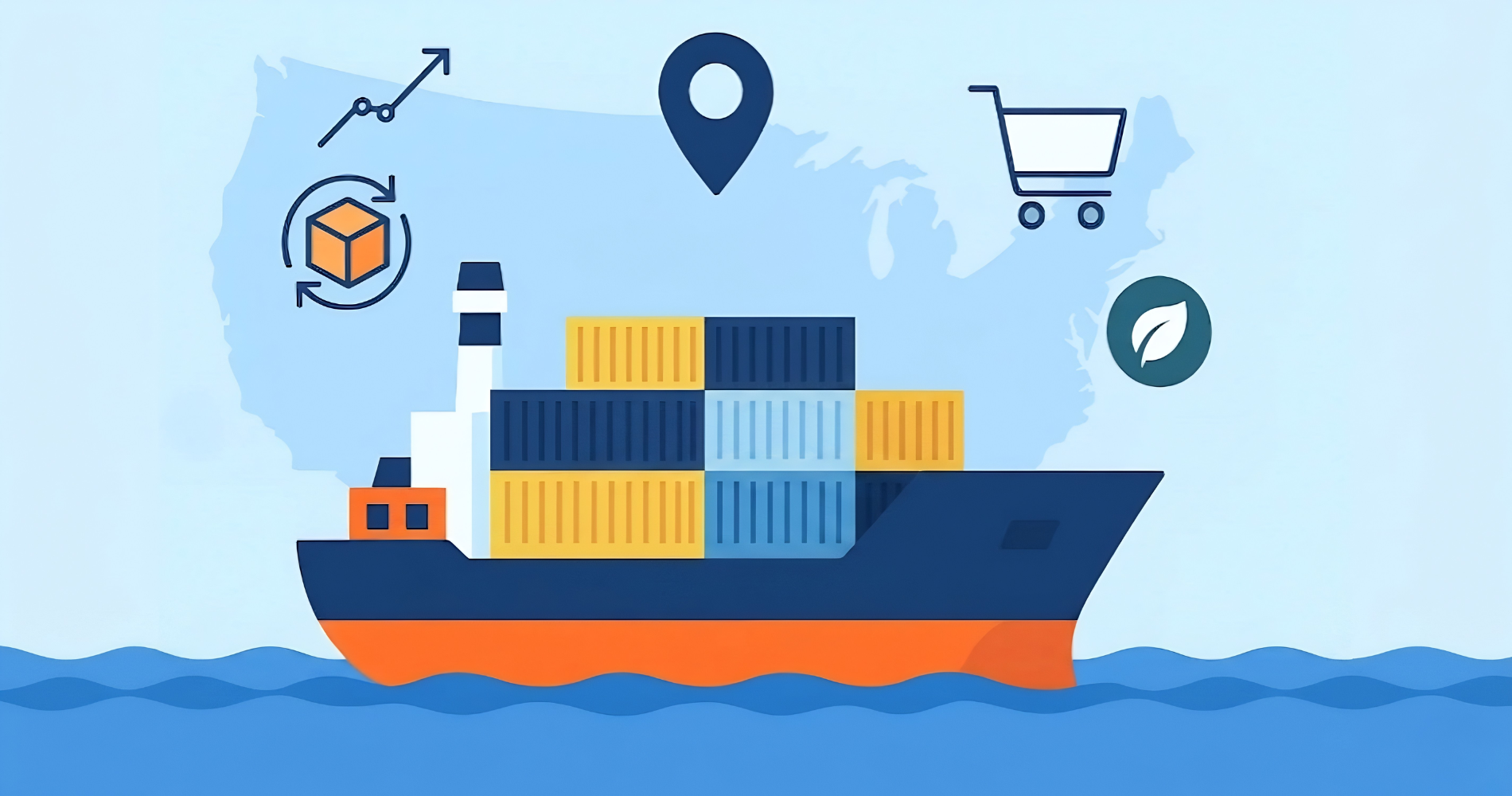
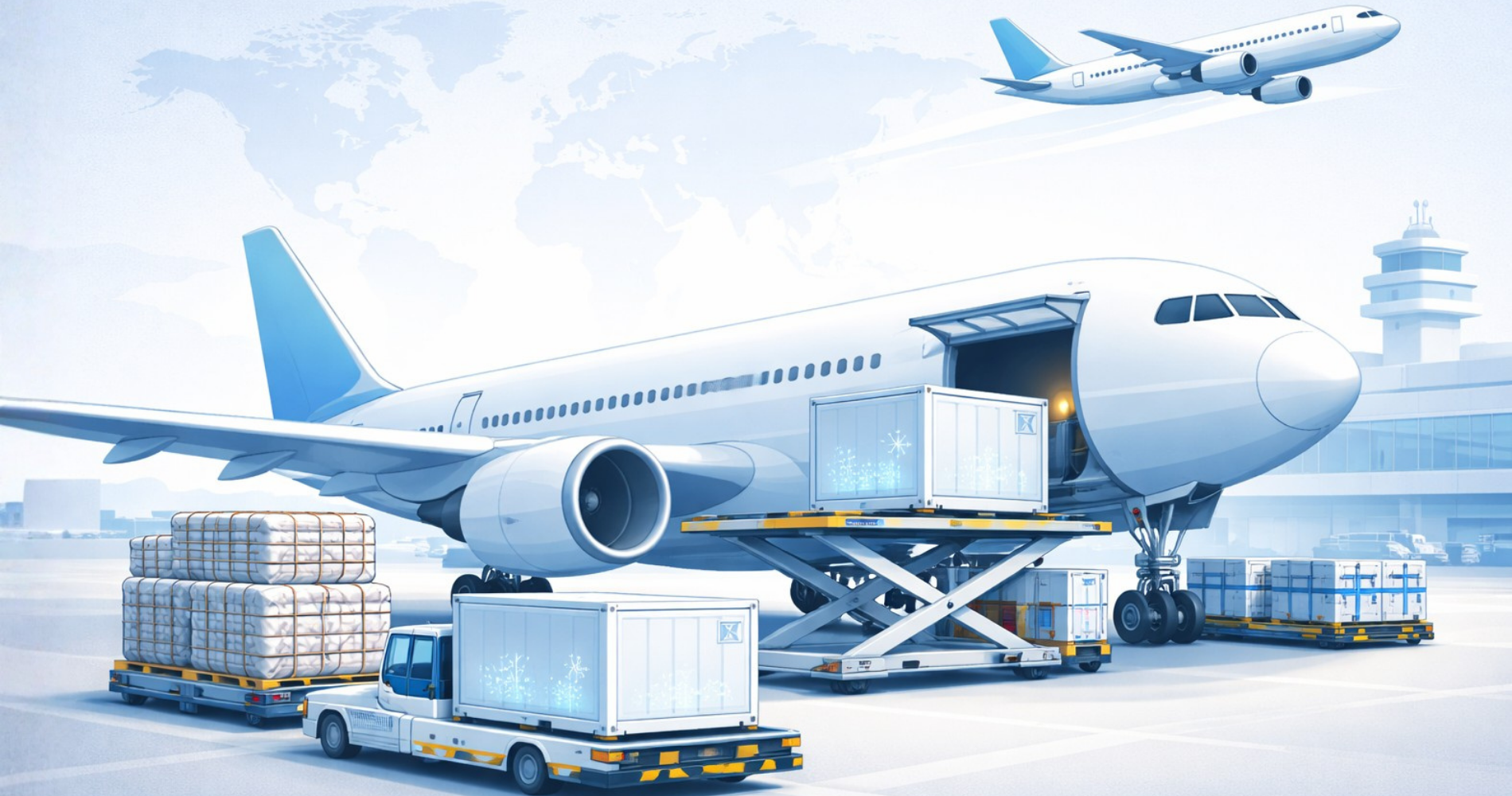
One of the most important strategies is multimodal transportation. The use of multiple transport modes, such as road, sea, and rail, helps reduce costs while shortening delivery times. In addition, maximizing vehicle capacity utilization allows companies to avoid empty transport, significantly lowering operational costs.
With the help of technological solutions, the movement of vehicles and parts can be monitored in real time throughout the transportation process, making logistics management more efficient. These strategies improve both cost efficiency and delivery performance in automotive logistics. The alignment between production and logistics also contributes to the sustainability of the supply chain.
Distribution Network Optimization: Cost and Time Savings
The key to a successful operation lies in the effective optimization of the distribution network. The automotive supply chain requires delivering the right product to the right location at the right time. Inefficiencies in this process can increase costs and extend delivery times.
Through distribution network optimization, logistics companies can reduce delivery times, enhance customer satisfaction, and achieve significant cost savings. Key factors to consider for successful optimization include:
- Warehouse and distribution center locations: Strategically positioned centers ensure faster delivery to end customers.
- Route optimization: Optimized routes reduce transit times and fuel consumption.
- Shipment consolidation: Combining loads allows fewer but fuller shipments.
- Inventory management: Integrated demand forecasting ensures efficient stock distribution without shortages or excess.
The Role of Digitalization and Technology in Vehicle and Spare Parts Logistics
Digitalization continues to transform automotive and spare parts logistics processes. Technology offers numerous innovations that enable more efficient monitoring and management of logistics operations.
Solutions such as RFID, GPS, and digital management platforms significantly improve transportation and distribution processes. One key advantage is the ability to track vehicles and parts in real time. These tracking systems enhance transparency while helping to prevent delays and losses.
Some of the key contributions of digitalization include:
- RFID and GPS technologies: Provide real-time tracking of transport vehicles and spare parts, minimizing delays and losses.
- Automated inventory management: Digital systems ensure automatic tracking of stock and fast dispatch based on demand.
- Data analytics tools: Enable route optimization and improvement of shipment processes through big data analysis.
- AI-based logistics management: Advanced forecasting models improve demand planning and shipment efficiency.
These technologies not only accelerate logistics processes and reduce costs in the automotive sector but also create a competitive advantage. In the future, autonomous vehicles and AI-driven logistics systems are expected to further strengthen the impact of digitalization in automotive logistics.
To ensure speed, efficiency, and digital control in automotive logistics, you can easily manage the entire process with Shipeedy.com.


 Popular News

.png)