
Differences Between Full and Partial Transportation
Two of the most commonly used transportation types in the logistics sector are partial (LCL) and full (FTL) transportation. In order to ensure that shipping processes are carried out in the fastest and safest way, it is important to determine the right strategies. Understanding the key differences between these two transportation methods is essential for planning effective strategies and accurately evaluating shipping needs. One of the most noticeable differences between full and partial transportation is the size of the cargo.
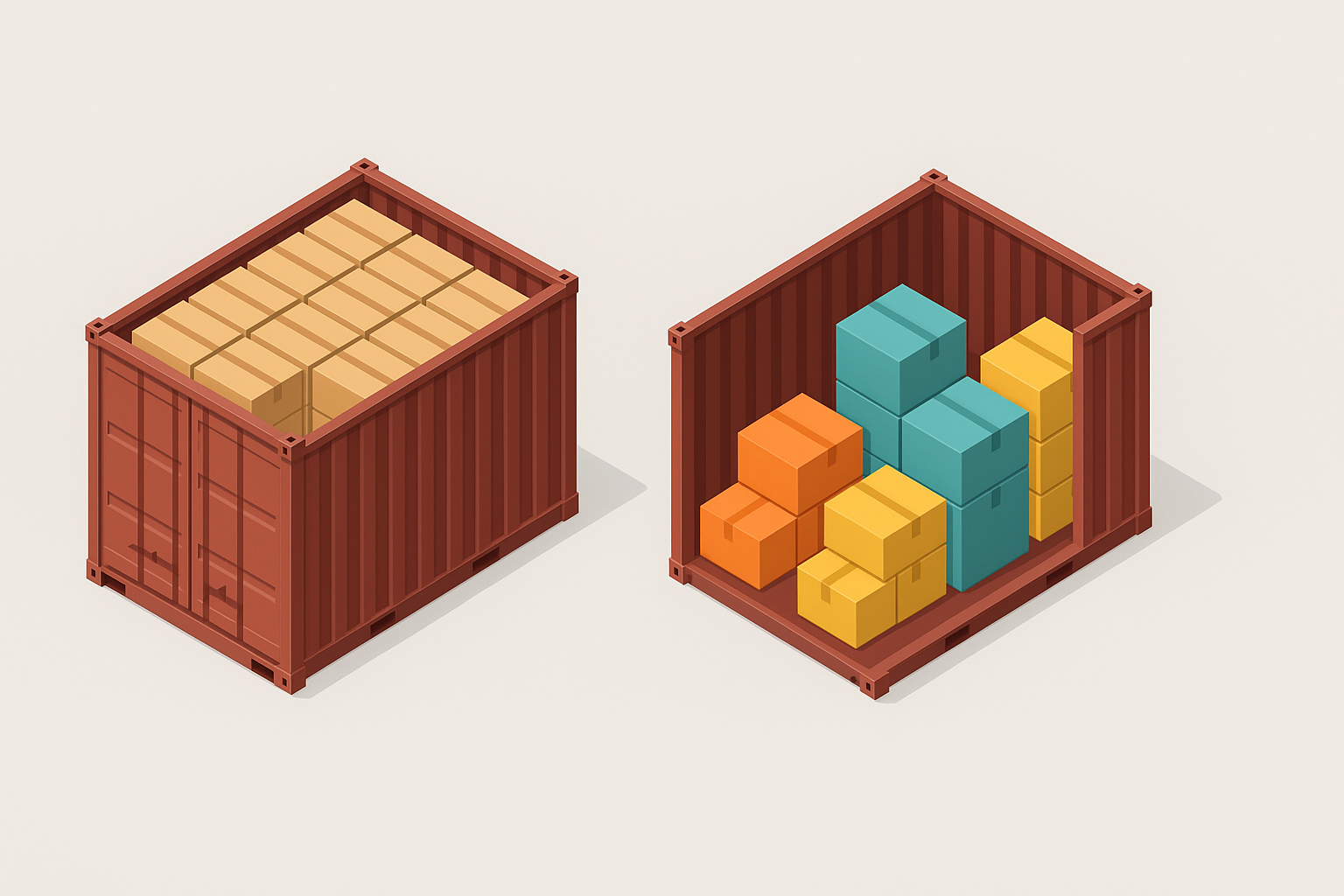
Partial transportation refers to situations where the sender’s goods do not fully occupy the capacity of the vehicle. In such cases, the vehicle capacity is shared among multiple shippers who want to transport smaller loads. Compared to full transportation, it offers cost advantages for small and medium-sized businesses. Goods from multiple senders are consolidated, and costs are shared among stakeholders.
In full transportation, the entire capacity of the vehicle is filled with goods from a single sender. This method is preferred by businesses that ship large volumes of goods or require full-capacity transportation. It enables fast and direct delivery. Compared to partial shipments, it is generally a more expensive transportation method.
When evaluating the differences between these two methods, factors such as shipment volume, speed requirements, and logistics budget come to the forefront. It is recommended that businesses consider these details and choose the most suitable transportation method according to their cargo volume in order to create an economical transportation plan.
What is Full Truckload (FTL) Transportation?
In the logistics sector, full transportation refers to a truck being fully loaded and operated for a single shipper carrying a large volume of goods. Large retailers, manufacturing facilities, and distribution centers commonly use this method.
The main goal of this transportation type is to ensure that shipments are delivered directly and quickly using a dedicated vehicle. By transporting goods in a fully loaded truck, the sender reduces the cost per unit. Regular transportation of large quantities of goods provides significant economic advantages.
Full transportation works best for frequent shipments that follow planned routes and predefined schedules. By following a predetermined strategy, the sender ensures efficient and smooth delivery. Since the flow of goods is monitored throughout the supply chain, faster delivery becomes possible.
Cost efficiency and speed advantage are two main reasons why full transportation is preferred. Businesses can achieve greater control, cost benefits, and speed by transporting large quantities of goods regularly, safely, and on time.
What Are the Advantages of Full and Partial Transportation?
The transportation method chosen by businesses may vary depending on factors such as cargo volume, continuity, speed, and budget. Both full and partial transportation offer advantages that meet different business needs. Making the right choice allows businesses to manage logistics processes effectively and stand out in the sector.
Among the advantages of full transportation, low cost per unit, speed, and efficiency stand out. Transporting large quantities of goods at once reduces the cost per unit. Additionally, since the vehicle serves only one sender, it allows for faster and more direct delivery.
The advantages of partial transportation include flexibility and cost savings. In this method, goods from multiple senders are combined in a single vehicle, reducing overall costs. It is especially preferred by small and medium-sized businesses for transporting smaller volumes of goods. This allows goods to be transported based on unit pricing rather than full-load pricing.
Both full and partial transportation can be evaluated based on their advantages for different needs. By considering these advantages, businesses can make the right choices and manage logistics costs effectively, gaining strategic and competitive advantages in the sector.
International Full Transportation
International full transportation is an ideal way to participate in cross-border trade and meet logistics demands. It involves transporting large volumes of cargo at full capacity by a single carrier across national borders.
By making the most of logistics planning, the sender can ensure that goods are delivered quickly and efficiently from one country to another. This is particularly important for businesses that promise timely delivery to their customers. Successfully handling aspects such as customs procedures, transportation regulations, and cross-border cooperation is a critical component of international transportation.
Security and speed are also crucial factors in international logistics services. This method enables businesses to manage cross-border logistics operations reliably and efficiently. It offers advantages such as direct delivery, protection of goods from damage, and fast delivery. The combination of cost-effective solutions and the ability to adapt to the dynamics of international trade helps businesses succeed in the global market.


 Popular News

.png)