
Challenges and Solutions in Logistics Between Türkiye and the United States
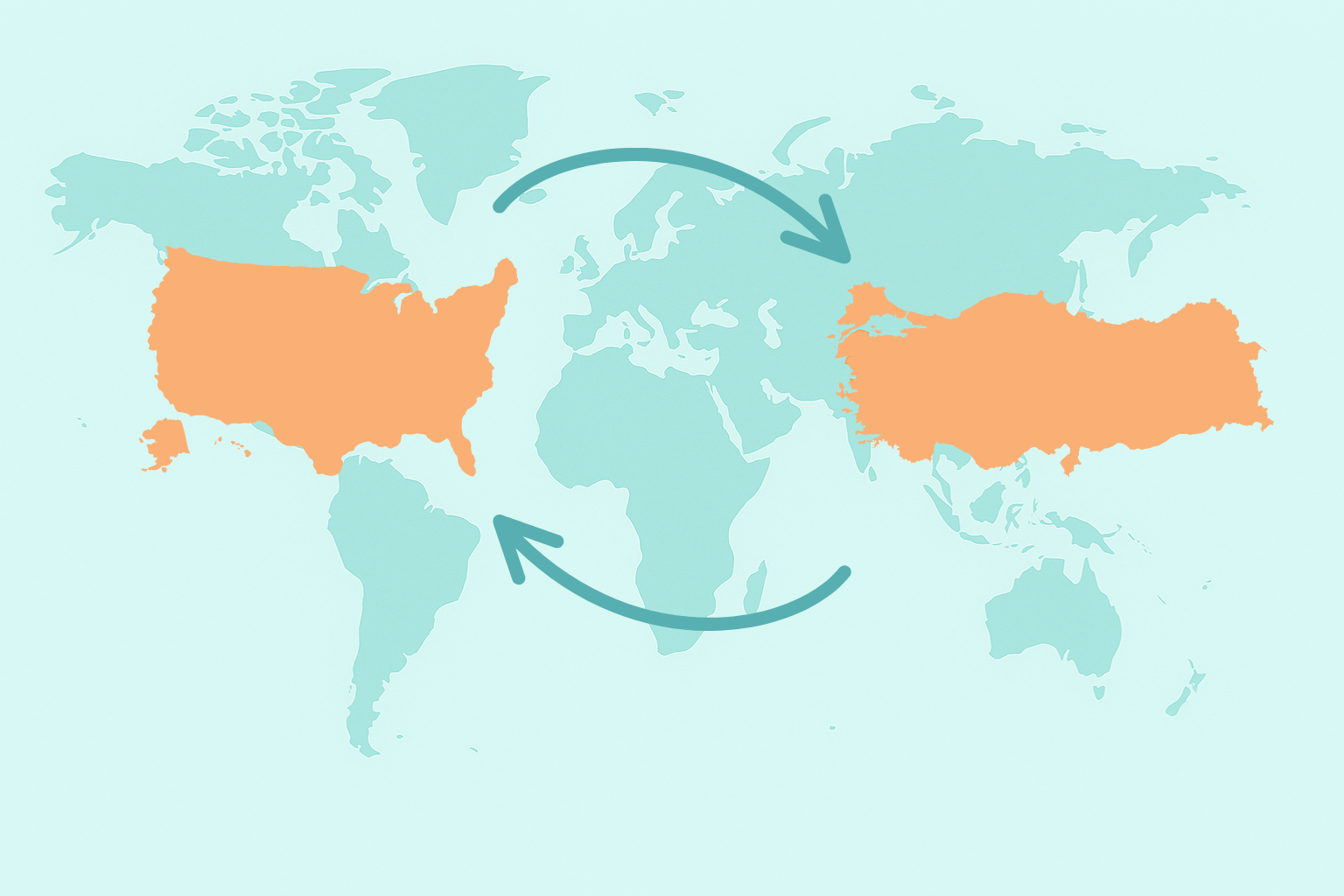
Under normal conditions, the impacts created by the logistics sector tend to highlight visible investments. However, uncertainty in demand within the logistics sector may lead to certain problems. In this regard, logistics activities between Türkiye and the United States play an important role in contributing foreign investments to the national economy. A forward-looking approach to solving these issues helps establish logistical bridges between the two countries.
Customs Procedures and Bureaucracy
In international logistics operations, difficulties related to customs procedures are critically important. Certain procedures must be carried out in order for the trade of goods and services to cross borders. Compliance with regulations is essential to ensure international mobility, order, and the continuity of stable logistics operations. In this respect, sectoral inadequacies can negatively affect the logistics field. In Türkiye, in order for foreign trade to progress smoothly, bottlenecks in customs must be eliminated and solution-oriented approaches should be developed.
Common problems encountered in customs procedures include:
- Longer-than-expected customs processing times
- Customs duty calculations
- Complex situations arising during customs procedures
- Communication issues with customs personnel
When customs procedures are not completed within the specified time frame, it leads to disruptions in the logistics sector. Therefore, appropriate solution steps should be determined for each issue, and improvements that increase process efficiency should be implemented.
Logistics Costs and Optimization
Efficient product transportation in international trade is critical both for increasing customer satisfaction and minimizing company expenses. Logistics costs become especially important when conducting strategic efforts to achieve targeted success. In this context, cost optimization is applied. Through cost optimization, company expenses are minimized, making successful logistics operations possible.
Major international transportation challenges at a macro level include:
- Demand uncertainty
- Complexity in product and inventory management
- Lack of supply chain integration
- Delivery consistency and continuity
- Capacity management disruptions
- Efficiency issues
- Need for improvements
- Automation and technology
Under today’s conditions, the most efficient logistics operations are made possible through maritime transportation, supported by reliable customs procedures and necessary regulations.
Transportation and Shipping Methods
Logistics operations applied in foreign trade enable faster investments across countries. Transportation methods that support macroeconomic growth and help companies achieve their goals can be summarized as follows:
- Maritime transportation
- Air transportation
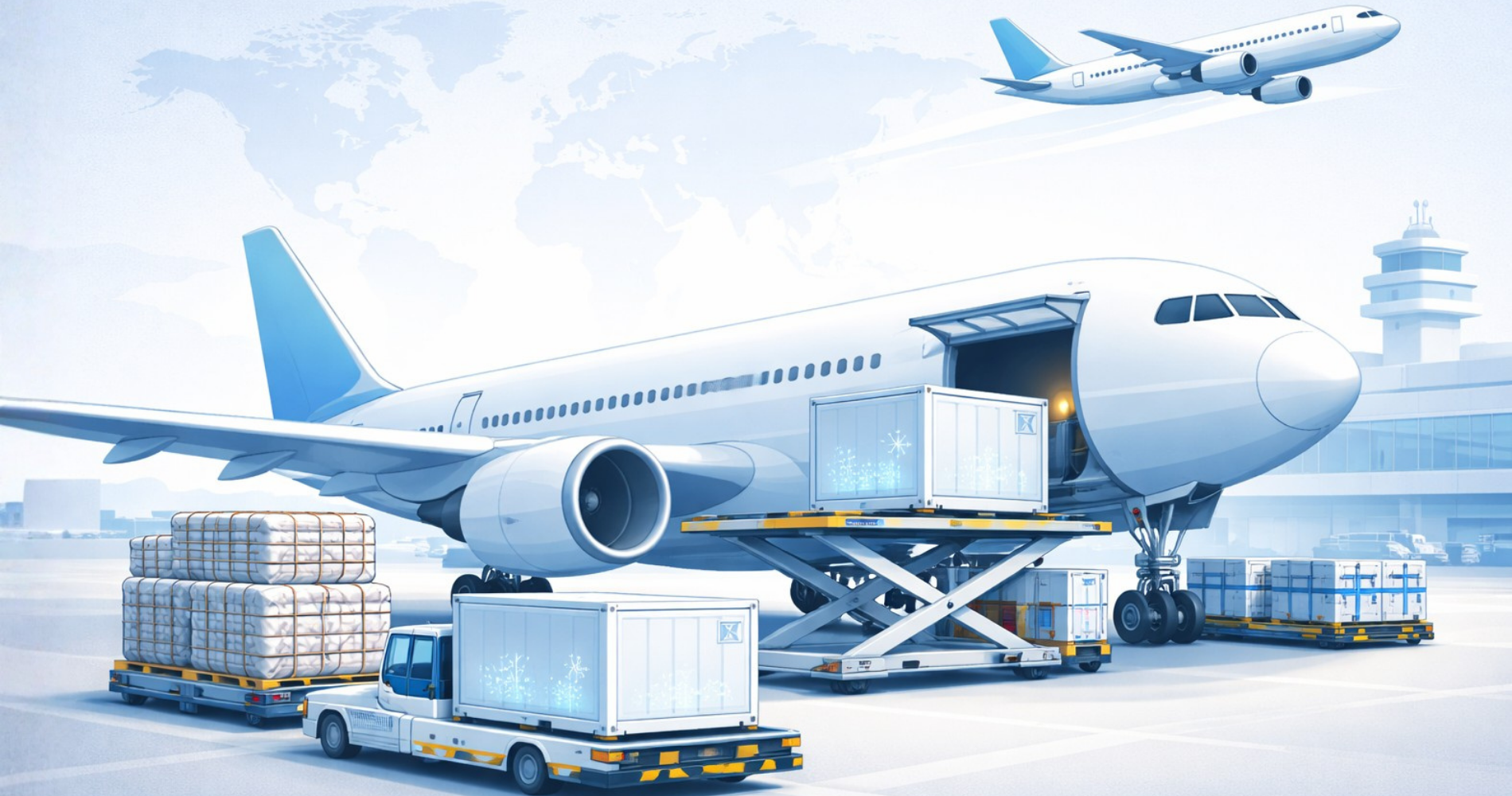
Among these methods, air transport is frequently preferred for specific product demands in international trade. However, when companies have a broad product portfolio or deal with larger goods, maritime transportation is generally preferred.
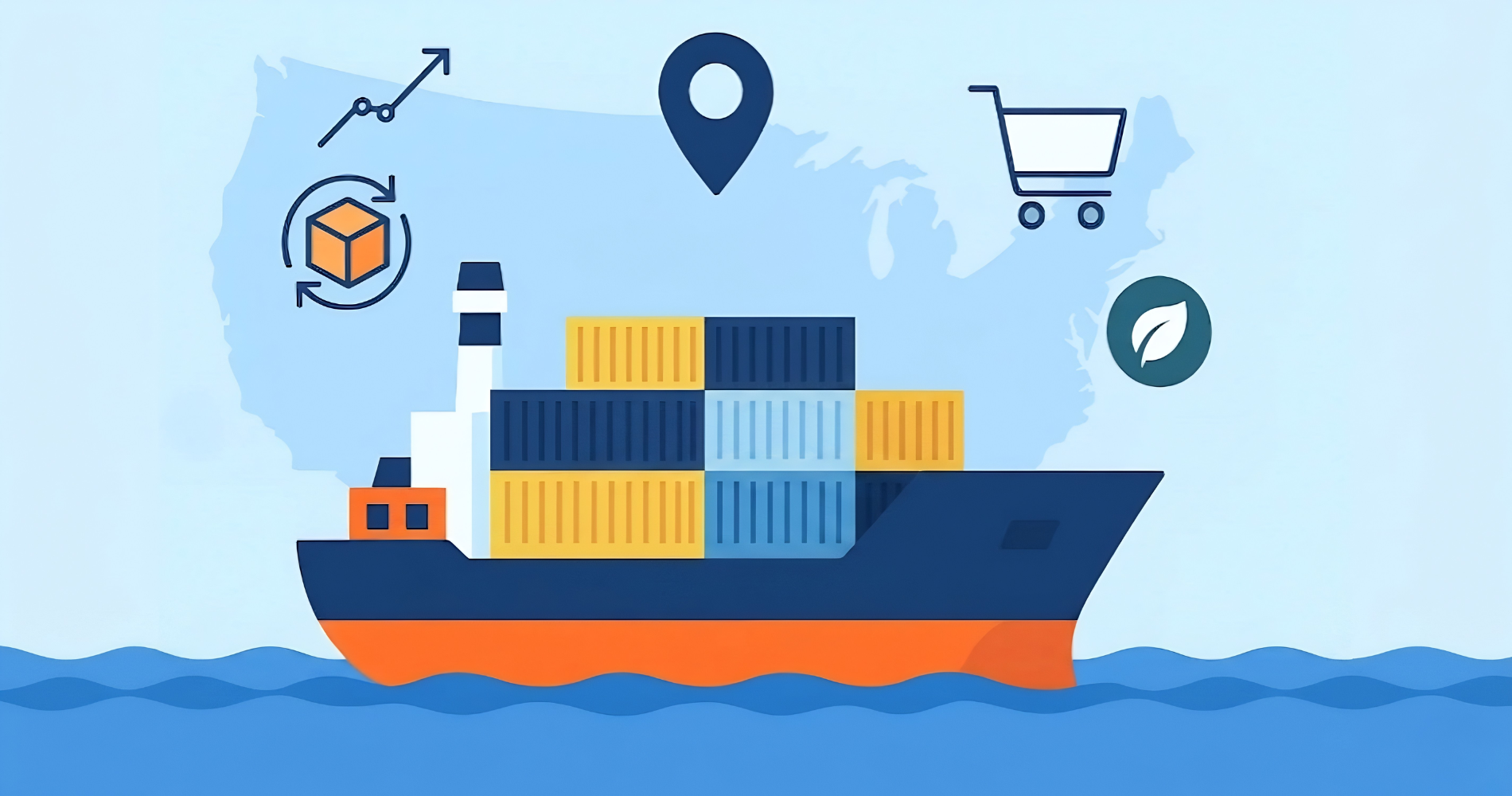
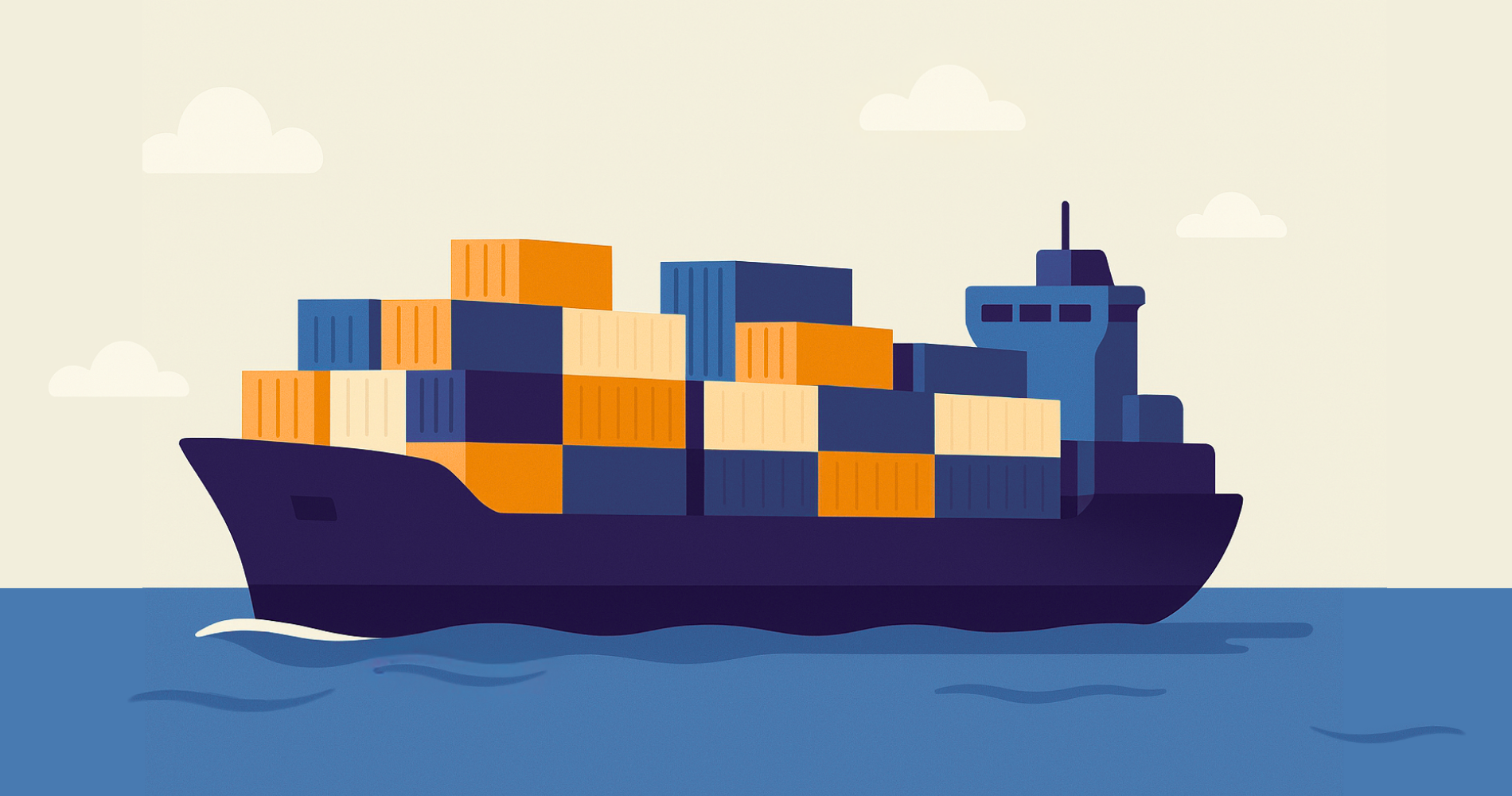
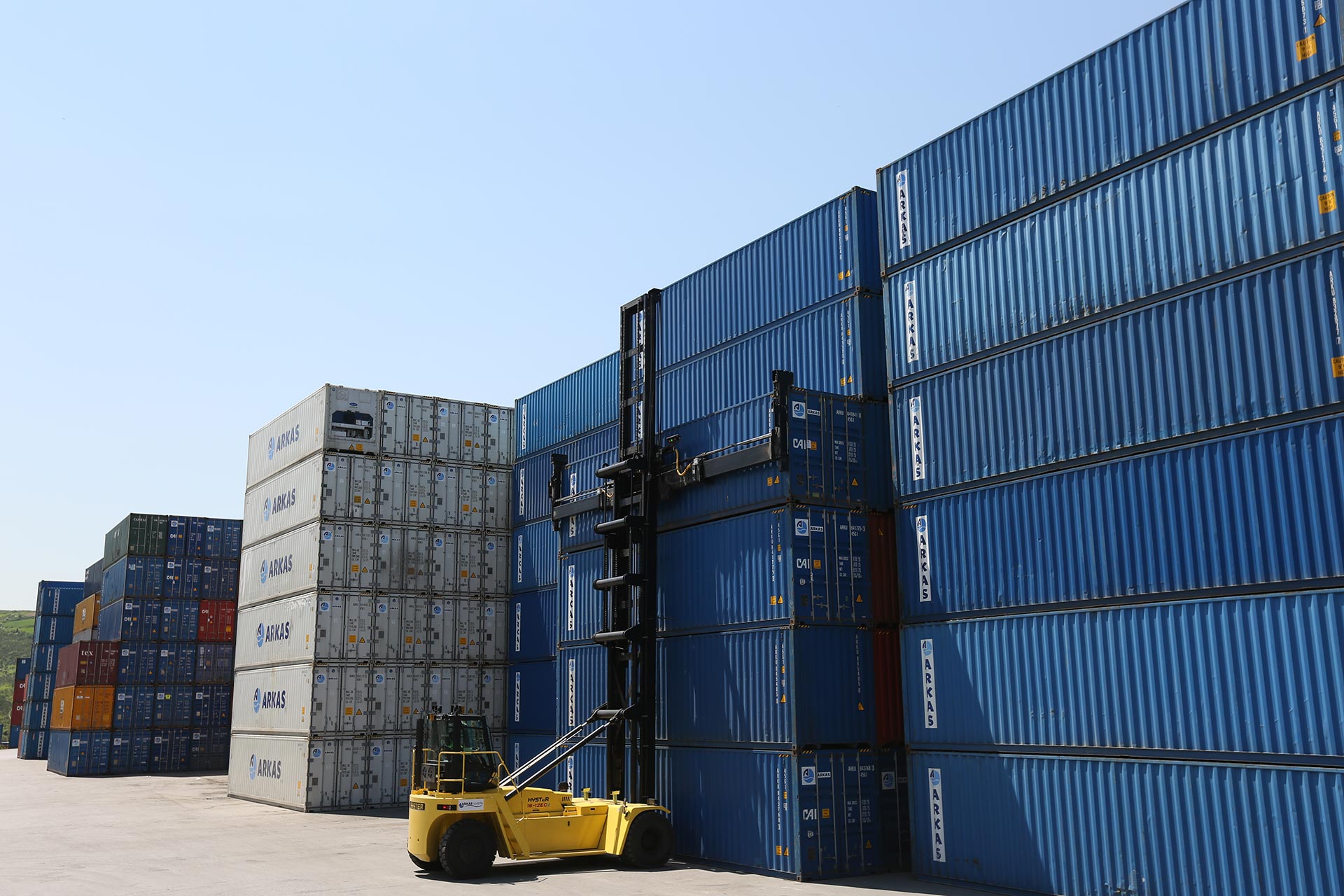
Maritime transportation is the most important logistical bridge between the United States and Türkiye. Within predetermined timeframes, product dispatch processes are completed and delivery dates are set in advance. This ensures continuity in logistics activities and contributes to sustainability in business operations. Maritime transportation, which minimizes both historical and current logistics problems, is also one of the safest transportation methods. Logistics operations carried out through designated ports have effectively resolved many logistical challenges. It has been observed that positive outcomes such as efficient inventory management, accurate demand forecasting, increased efficiency, and reduced costs are made possible through maritime transportation.


 Popular News

.png)