
U.S. Ports Face $6.7 Billion Investment Gap to Stay Competitive
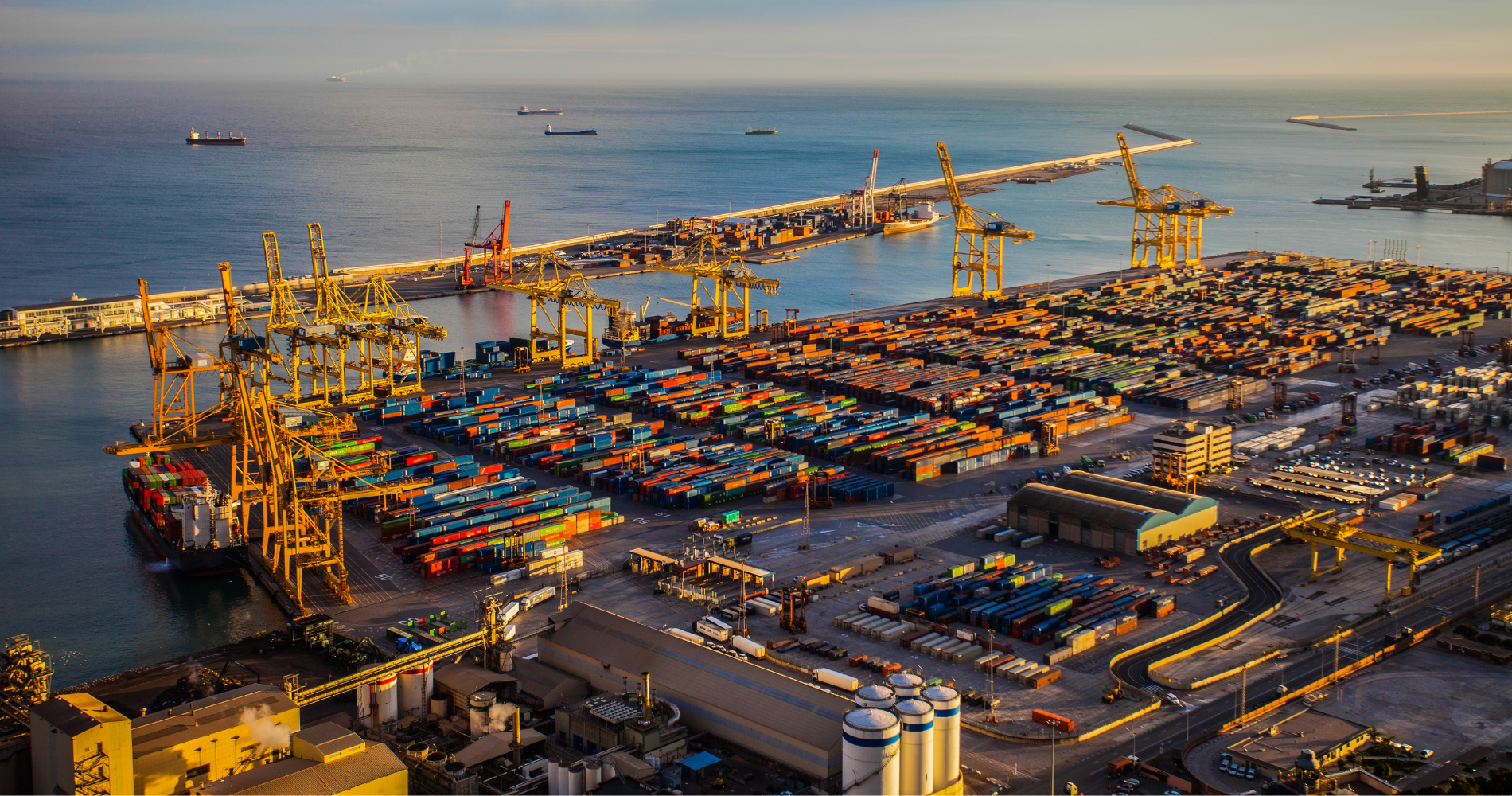
A survey conducted among port and terminal executives in the United States revealed that the country’s ports will require billions of dollars in investment over the next five years to maintain their efficiency and sustain global competitiveness.
According to the survey published by the National Association of Waterfront Employers (NAWE), which included 25 senior port and terminal executives, the need for large-scale investment—particularly in cargo handling equipment—stood out. The survey also highlighted the requirement for more than 100 new or refurbished ship-to-shore (STS) cranes in response to increasing vessel sizes and evolving operational needs.
Participating executives shared cost estimates for investments needed over the next five years, including new equipment purchases, repairs to existing assets, and modernization of terminal operations. Based on these estimates, it is projected that a total of $6.7 billion investment is required in U.S. ports solely for cargo handling equipment.
Regarding the breakdown of this investment need, it was stated that $2.74 billion should be allocated for new STS crane acquisitions, $2.4 billion for yard cargo equipment and additional cranes, approximately $917 million for rail yard equipment, and $790 million for the maintenance and repair of existing equipment.
NAWE President Carl Bentzel noted in his statement that these figures demonstrate the magnitude of the investment required for U.S. ports, emphasizing that modern equipment investments play a critical role in terminal efficiency, supply chain resilience, and global competitiveness.
The research findings also revealed that port operators are facing cost pressures due to increasing cargo volumes, the introduction of larger vessels, and the aging of existing equipment. In this context, industry representatives highlighted the importance of supporting sustainable investments through public–private partnerships.
Customs Tariffs Complicate Investment Plans
In addition, NAWE called on the Office of the United States Trade Representative (USTR) for clarity regarding customs tariffs applied particularly to ship-to-shore cranes and other large-scale equipment. The organization stated that despite managing more than 90% of the sector’s total container traffic, uncertainties around tariffs are complicating multi-billion-dollar investment plans.
Officials also noted that uncertainties regarding the scope of a one-year postponement of tariffs—especially those applied to China-manufactured equipment—could affect equipment ordering and delivery processes. Furthermore, it was emphasized that the mismatch between U.S. production capacity and the short-term needs of ports may lead to delays in critical investments.
NAWE stated that the survey results will serve as a guide for policymakers, industry stakeholders, and investors in the coming period, and that efforts related to infrastructure financing and port competitiveness will be shaped by these findings.
Source: Journal of Commerce


 Popular News

.png)