

Turkish Ports Strengthen Competitiveness with Green and Smart Transformation
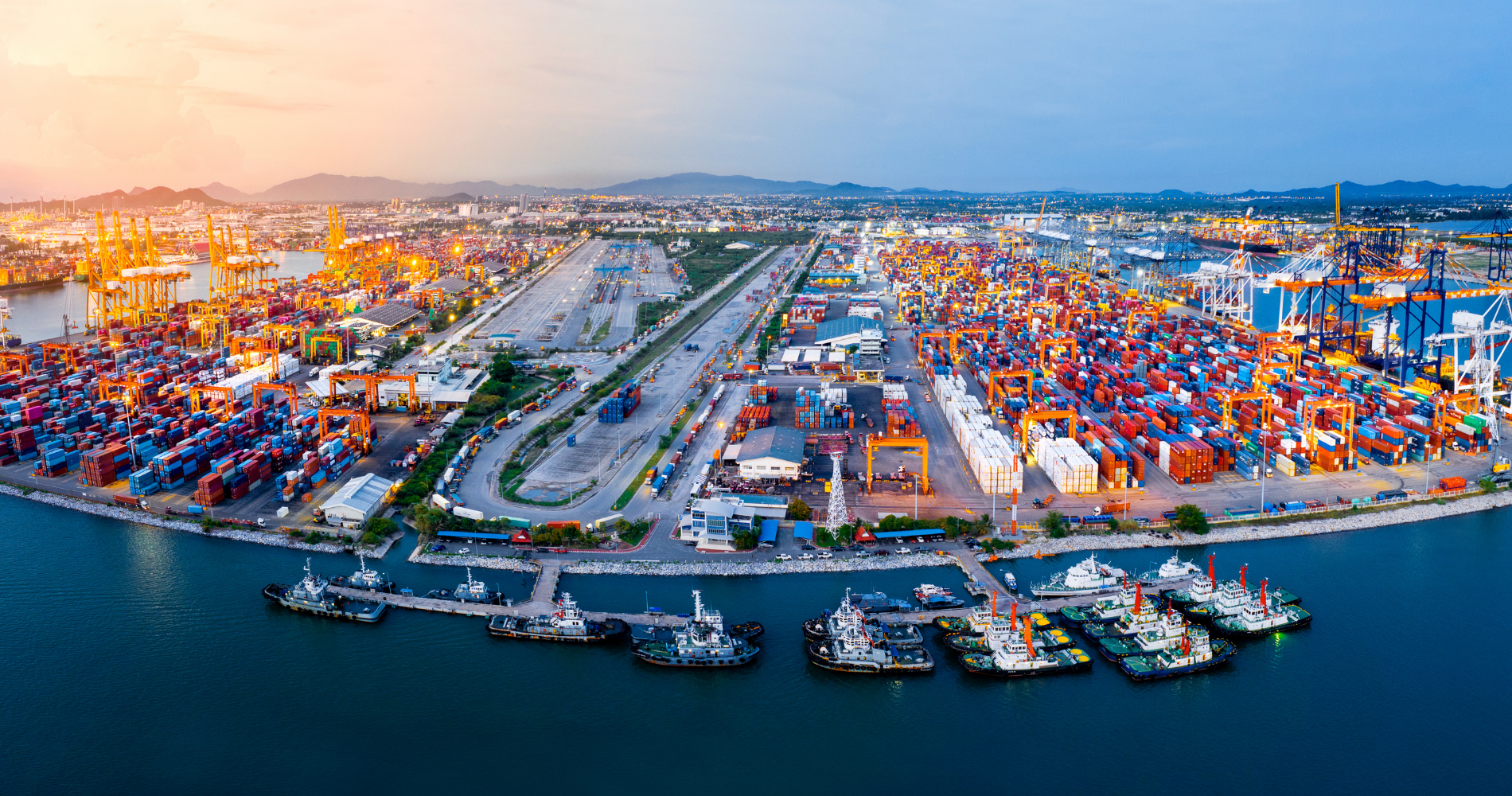
As competitive dynamics in global trade evolve, the performance of ports is no longer measured solely by capacity, but also by sustainability and digital transformation investments. Turkish ports are accelerating their transition toward “green” and “smart” port models to adapt to this new era.
While maritime transport continues to hold a significant share in global trade, reducing carbon emissions and improving operational efficiency have become key priorities in port investments.
Port traffic in Türkiye continues to grow. In 2025, total cargo handled exceeded 553 million tonnes, while container throughput reached a historic high of approximately 14 million TEU.
This growth supports Türkiye’s goal of becoming a regional logistics hub, while also introducing a new necessity for the sector:
not just growth, but sustainable and efficient growth.
The European Green Deal and carbon criteria imposed by global logistics companies are making environmentally friendly investments essential for port operators.
Green Port Investments Gain Momentum
The “Green Port” initiative, first introduced in Türkiye in 2014, is being reshaped with stricter criteria in recent years. Port operators are now investing extensively in energy efficiency, emission reduction, and environmental sustainability.
Key developments include:
- Transition from diesel-powered to electric crane systems
- Solar energy investments to meet part of energy demand
- Shore electrification systems to reduce emissions from vessels at berth
- Waste management and water-saving systems
- Digital monitoring of carbon emissions
These investments not only provide cost advantages but also enhance international competitiveness.
Artificial Intelligence Is Transforming Port Operations
The second pillar of transformation is digitalization and artificial intelligence.
Large-scale ports in Türkiye are implementing technologies such as:
- AI-powered terminal management systems
- Smart camera solutions
- Sensor-based monitoring systems
- Digital twin technologies
- Predictive maintenance systems
Through these solutions:
- vessel planning processes are optimized
- operational times are reduced
- equipment failures are predicted in advance
- energy and workforce usage becomes more efficient
Even small time savings in container operations can generate millions of dollars in annual efficiency gains.
Regional Competition Drives Transformation
Increasing competition in the Eastern Mediterranean is also pushing Turkish ports toward faster transformation.
Ports such as Piraeus (Greece), Port Said (Egypt), and Gulf-based investments are intensifying regional competition. While Türkiye maintains its geographical advantage, failing to invest in digitalization, sustainability, and speed could weaken its position in transit cargo competition.
High Investment Costs but Strong Return Potential
Green and digital transformation requires substantial investment, which leads medium-sized port operators to proceed more cautiously.
However, experts emphasize that:
- electric equipment reduces fuel costs
- AI systems improve operational efficiency
- compliance with carbon regulations becomes easier
As a result, the return on investment period is gradually shortening.
Leading Ports Driving Transformation in Türkiye
Several Turkish ports are leading this transformation:
- Mersin International Port (MIP): Automation and energy efficiency investments
- Asyaport: Electric crane systems and renewable energy usage
- DP World Yarımca: Remote-controlled cranes and digital yard management
- Borusan Port: Digital operations and data-driven processes
- Marport: Advanced terminal operating systems
- YILPORT: Electrification and carbon reduction initiatives
- QTerminals Antalya: Sustainability and environmental performance projects
Data and Carbon Performance Will Define the Future
According to industry experts, the key performance indicators for ports are changing.
In the near future, port competitiveness will be measured by:
- data management capabilities
- carbon footprint performance
- energy efficiency
- digital operational capacity
Overall, Turkish ports are accelerating their green and smart transformation, positioning themselves to meet the demands of a rapidly evolving global trade environment. This shift is not only an environmental necessity but also a strategic move to strengthen Türkiye’s ambition of becoming a major logistics hub.
Source: Ports Europe


 Popular News
.png)