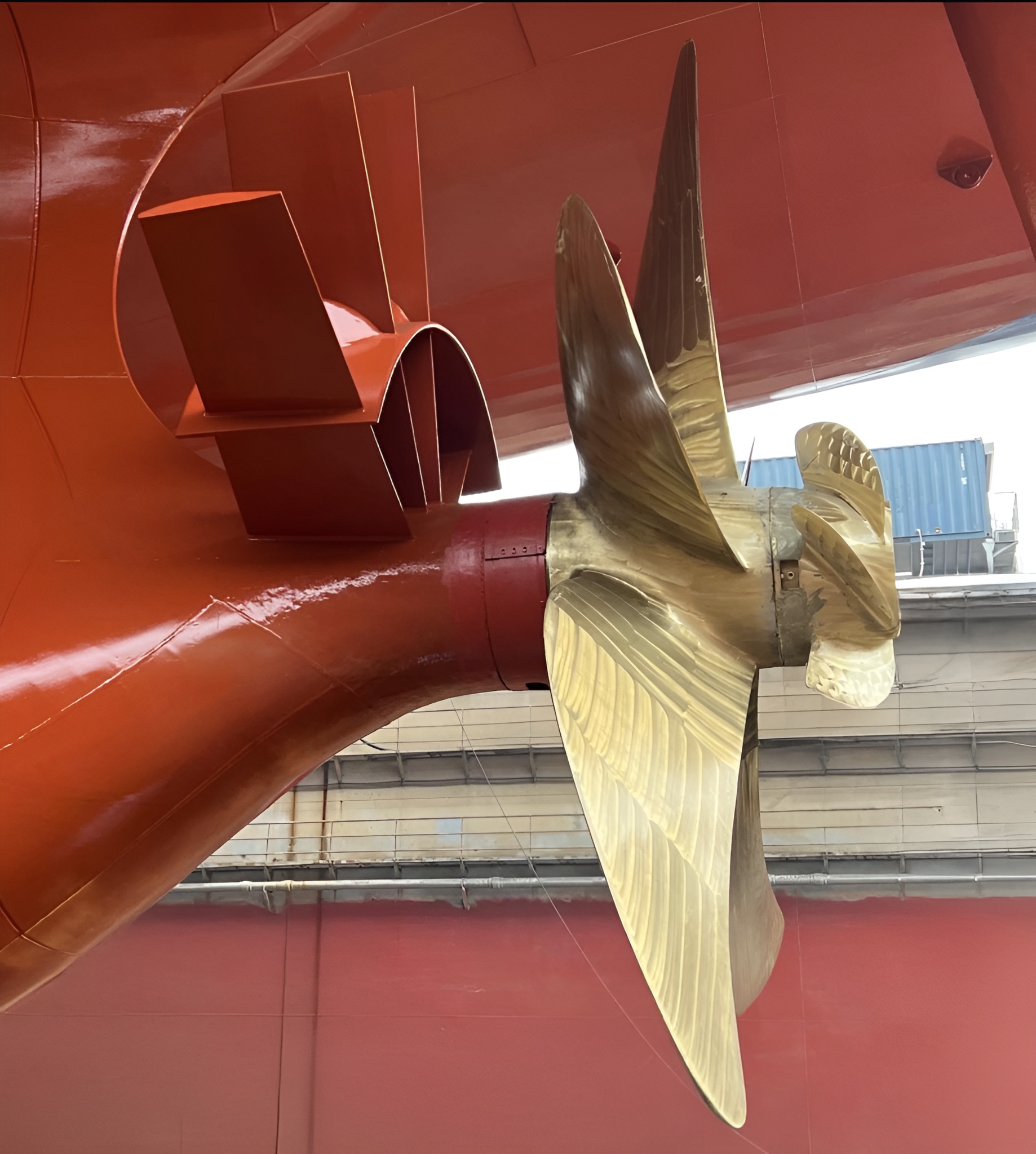

The World’s Largest Methanol-Fueled Container Ship Has Been Launched
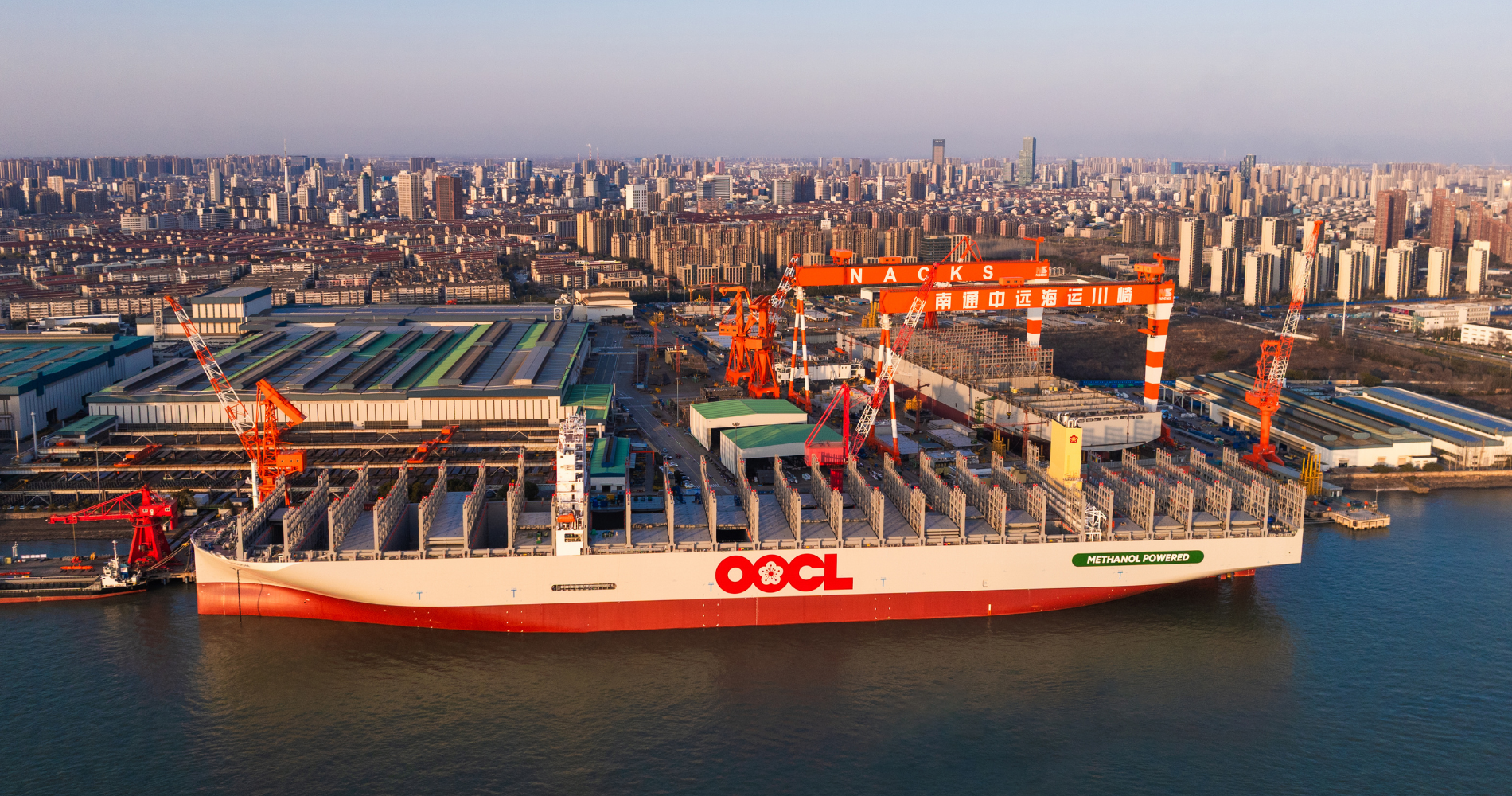
The vessel was officially put into service with a ceremony. Launched at a shipyard in Nantong, the ship stands out as a new global benchmark in both capacity and fuel technology.
With a length of approximately 400 meters and a carrying capacity of 225,000 tons, OOCL Wisdom can transport more than 24,000 TEU containers in a single voyage. With these features, the vessel holds the title of the world’s largest methanol-fueled container ship.
Next-Generation Fuel Technology
One of the key features that distinguishes OOCL Wisdom is its full methanol dual-fuel system. On the vessel:
- main engines
- auxiliary engines
- boiler systems
are all designed to operate using methanol.
This system aims to reduce carbon emissions and support a more sustainable operational model in maritime transport. At the same time, advanced monitoring and energy-efficiency systems onboard optimize fuel consumption and minimize environmental impact.
China’s Strong Position in Shipbuilding
OOCL Wisdom also demonstrates China’s advancement in large-scale and alternative-fuel shipbuilding. Built at the Nantong COSCO KHI Ship Engineering (NACKS) shipyard, the vessel highlights the country’s strength not only in scale but also in technological engineering capabilities.
The project represents the first delivery of a $1.68 billion order placed in 2022. In total, seven container ships in the 24,000 TEU class are planned to be added to the fleet under this program.
To Be Deployed on the Asia–Europe Trade Route
Following final testing, OOCL Wisdom is expected to operate on the Asia–Europe route, one of the busiest trade lanes in the world.
Considering the high cargo volumes on this route, the vessel’s massive capacity is expected to provide significant advantages in:
- optimizing transportation costs
- increasing operational efficiency
- reducing carbon emissions
Scale and Sustainability Converge in Logistics
The introduction of OOCL Wisdom illustrates the convergence of two key trends in maritime logistics:
- economies of scale (mega ships)
- sustainable fuel technologies
As global trade volumes continue to grow, the demand for larger vessels increases, while environmental regulations accelerate the shift toward low-emission solutions in the shipping industry.
Source: OOCL


 Popular News
.png)