
Risk Management in Maritime Transportation
Maritime transportation is considered the backbone of global trade, enabling the economical movement of large volumes of goods across long distances. However, this mode of transport faces numerous potential risks such as safety threats, weather conditions, piracy, and equipment failures. These risks can increase transportation costs and extend shipment times. Therefore, effective management of maritime transport risks is critical to minimizing potential financial losses for carriers and importers.
Major Risks in Maritime Transportation
Maritime transportation can be complex and sometimes unpredictable due to various risk factors. Weather conditions are among the most significant risks in sea transport. Storms, strong waves, and sudden weather changes can cause deviations in ship routes, leading to shipment delays. Additionally, severe weather can result in vessel damage or cargo loss.
Another significant risk factor is piracy. In certain maritime regions, piracy poses a serious threat to crew and cargo safety. Such attacks can cause substantial financial losses for shipowners and logistics companies operating in the sector. Technical malfunctions and human errors also contribute to maritime transport risks. Engine failures, navigation mistakes, or errors during loading operations can adversely impact the shipment process. These technical and operational issues may prolong transportation and result in additional costs.
Risk Management Strategies: Proactive Approaches
Managing these risks is essential for carriers and importers. Maritime risk management strategies should include proactive approaches aimed at early detection and minimization of risks. Insurance coverage is one of the most common methods used to financially address such risks; however, insurance alone is not sufficient.
Advanced technologies such as weather forecasting and route analysis help detect potential delays and risks in advance. These tools allow operators to optimize routes and avoid hazardous areas. Additionally, selecting safe routes and enhancing security measures in regions prone to piracy are crucial steps for protecting crews and cargo.
Regular training of ship crews and periodic maintenance of technical equipment are also essential for minimizing human error and technical failure risks. These proactive measures play a critical role in reducing maritime transport risks and minimizing financial losses.
Possible Scenarios and Practical Solutions
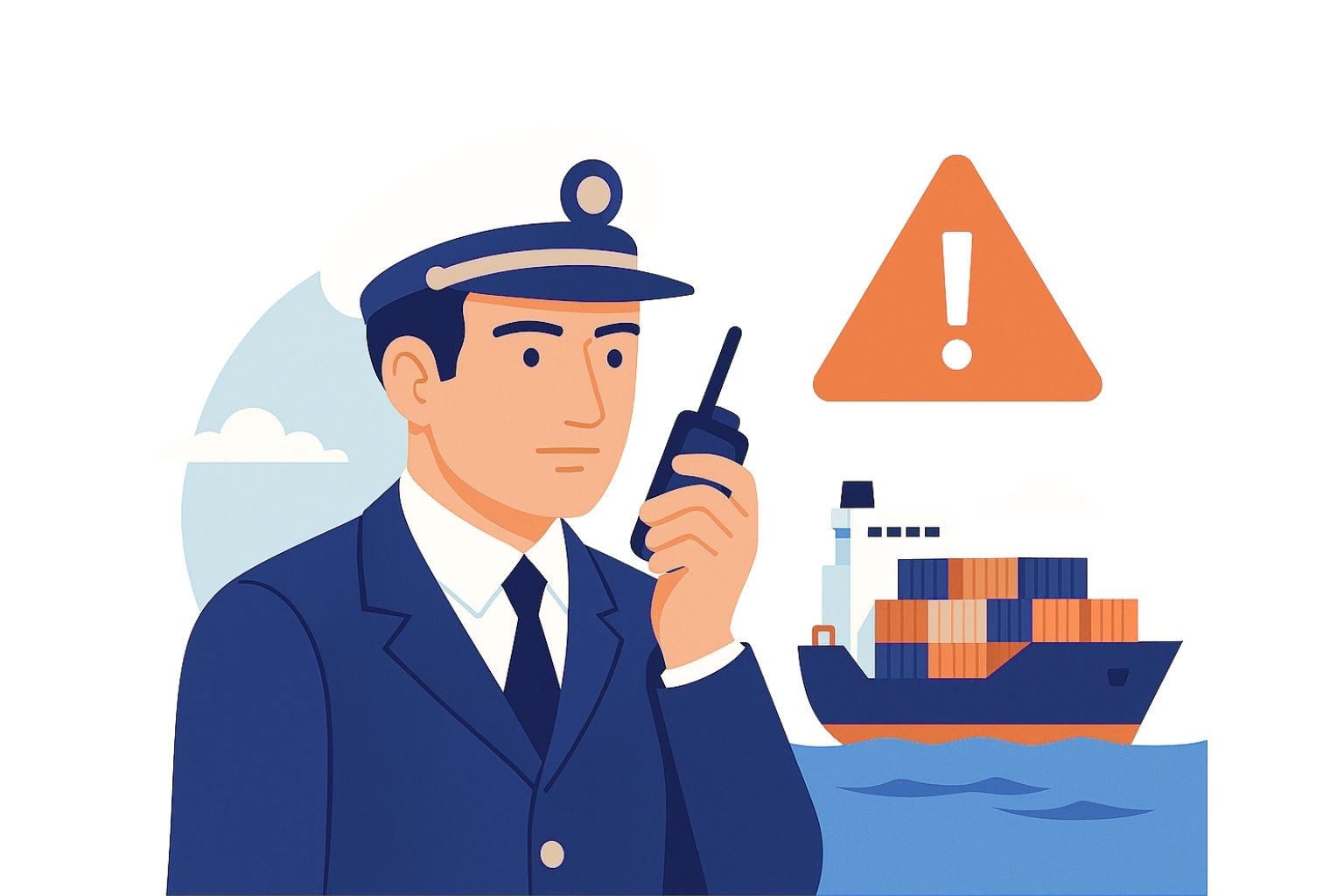
Analyzing potential scenarios and developing suitable solutions is important in maritime risk management. For example, if a sudden storm occurs along a vessel’s route, the captain’s ability to quickly activate pre‑planned alternative routes is vital. This ensures both vessel safety and timely arrival of the shipment.
In another scenario, a ship passing through a high‑risk piracy zone may need to implement predefined security protocols. Crew training and vessel preparedness play a key role in preventing such incidents. These scenarios highlight the practical measures required to address maritime risks.
Maritime transport solutions must also address technical failure scenarios. For example, if an engine malfunction occurs, quick communication with the technical support team and rapid procurement of necessary spare parts are crucial for avoiding shipment delays.


 Popular News
.png)