
Container Types Used in Maritime Transportation
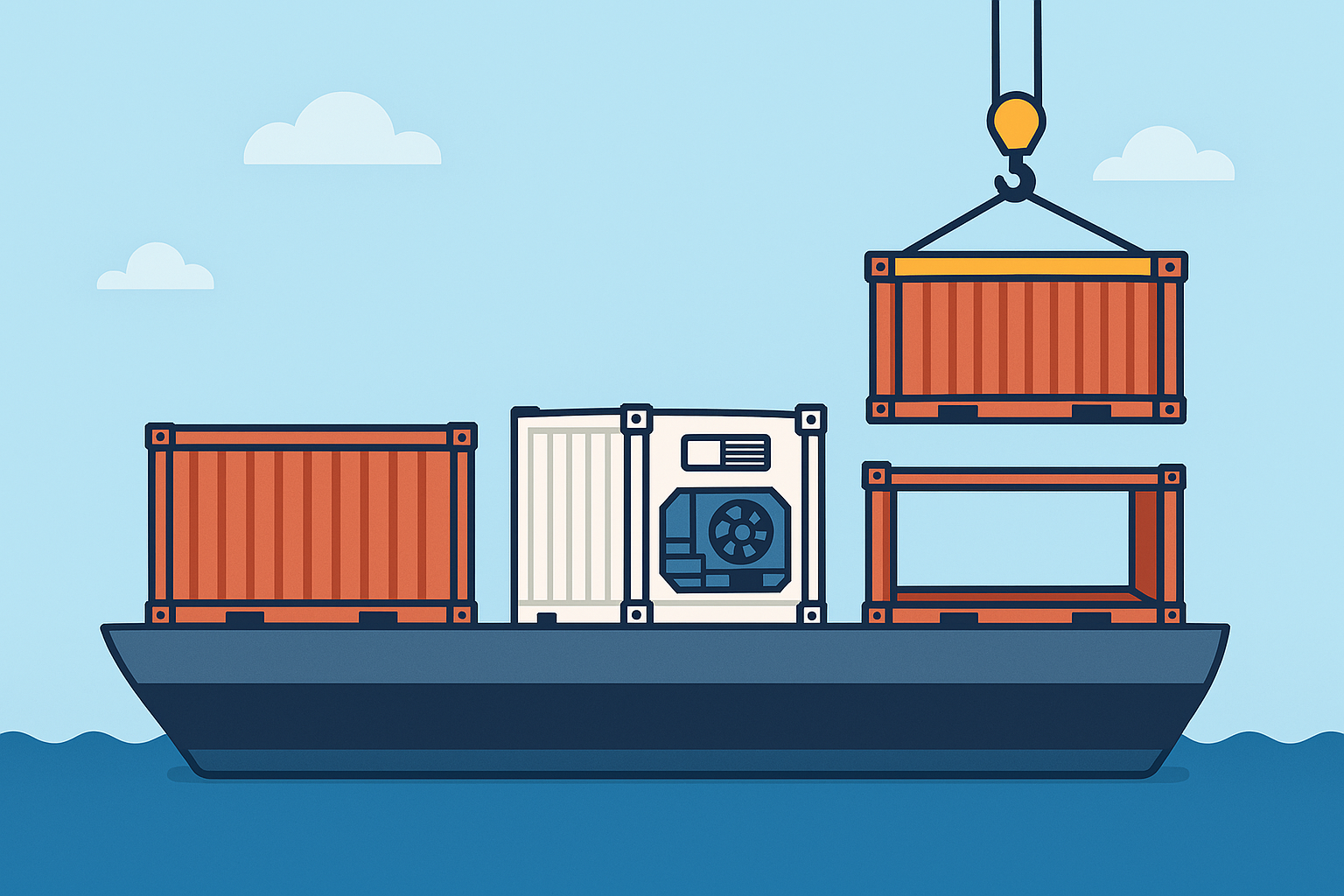
Maritime transportation is one of the most widely used international shipping methods, enabling cargo to be transported safely, economically, and in a standardized manner from the port of loading to the port of destination. The ability to transport different types of cargo globally within the same operational system makes maritime transportation more advantageous compared to other methods. Containers play a critical role in protecting cargo throughout the supply chain, ensuring efficient handling, and accelerating operational processes.
As the characteristics of transported cargo vary, the types of containers used also differ. The main objective of the logistics process is to ensure that cargo reaches the consignee without damage. Therefore, containers must be selected in accordance with the cargo’s structure, size, and sensitivity. The dimensions of containers used in maritime transportation are determined by international standards. International container standards clearly define container length, width, volume, and carrying capacity, ensuring compatibility across all ports worldwide.
Container Types and Their Usage Areas
Each type of cargo transported in the logistics sector has unique characteristics and protection requirements. For this reason, various container types are used in maritime transportation to suit different purposes. The main answers to the question “What are the types of containers?” are standard (dry) containers, reefer (refrigerated) containers, and open-top containers. The most commonly used container lengths in operations are 20-foot and 40-foot units.
Reefer Container
Reefer (refrigerated) containers are specifically designed for products that require temperature-controlled transportation. The internal temperature of these containers can be adjusted to the desired level through a control panel located on the exterior.
Usage areas include:
- Fresh or frozen food products
- Pharmaceutical and medical products
- Temperature-sensitive goods
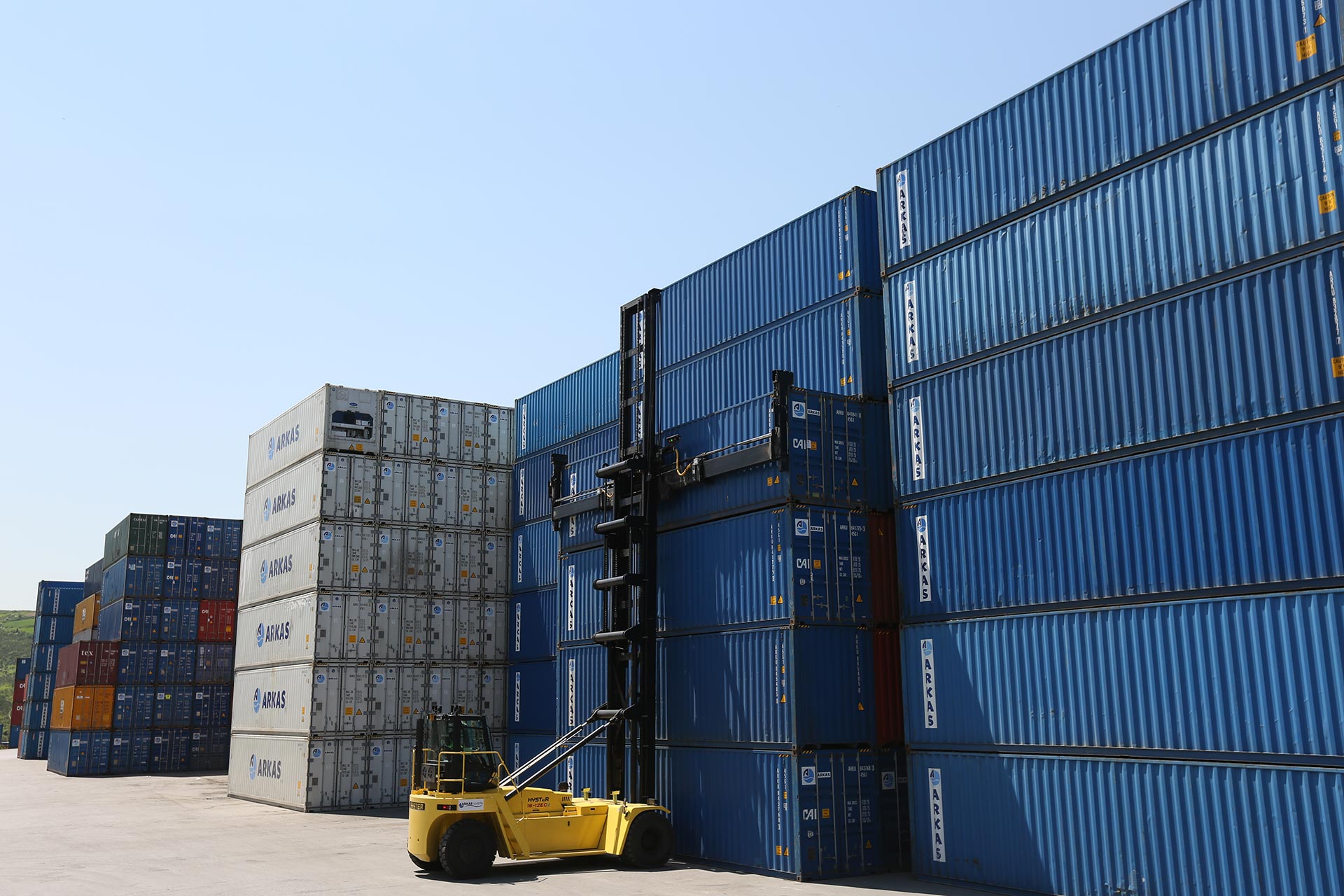
In short, a reefer container is a special container type used to ensure that sensitive products requiring stable internal temperatures are delivered safely and fresh to their destination. Reefer container dimensions are generally available in 20-foot and 40-foot high cube formats.
Reefer container costs are higher than other container types due to their continuous power supply requirements and operational complexity. Maintaining stable airflow and evenly distributed temperature from the port of loading to the port of discharge is essential to ensure the transported products remain fresh and safe.
Standard Container
The standard container is the most commonly used container type. It is made of steel, fully enclosed on all sides, and provides a secure solution for general cargo transportation. It does not require any special equipment and is suitable for a wide range of goods.
Standard containers are typically manufactured from steel, giving them a robust structure and minimizing the risk of external impact damage. Their lockable design ensures cargo security throughout the supply chain. Additionally, the sealed doors protect cargo from adverse weather conditions. With their cost-effective pricing and high carrying capacity, standard containers offer an economical transportation solution. They are suitable for textiles, electronics, furniture, household goods, and a wide variety of non-perishable cargo. Since standard container dimensions are globally standardized, they offer high compatibility in international transportation.
Open-Top Container
Another commonly used container type in logistics is the open-top container. Open-top containers are ideal for transporting oversized or tall cargo that cannot be loaded through the doors of a standard container. The open roof allows cargo to be easily loaded using cranes. When required, the top can be covered with a tarpaulin to protect the cargo from external factors.
The ability to cover the open roof ensures that cargo is protected against weather conditions and other environmental risks, enabling safe logistics operations from the port of loading to the port of discharge.
Open-top containers offer significant advantages, especially for bulk and oversized cargo transportation. They are widely used for construction machinery, heavy industrial equipment, large engines, and other bulky goods. These containers are generally manufactured in 20-foot and 40-foot sizes and have carrying capacities ranging between 26,000 and 30,000 kilograms.
With Shipeedy, you can ensure a smooth and secure supply chain by selecting the most suitable container types for different product groups, minimizing risks and optimizing your logistics processes.


 Popular News
.png)