
5 Things You Need to Know About Customs in International Sea Freight
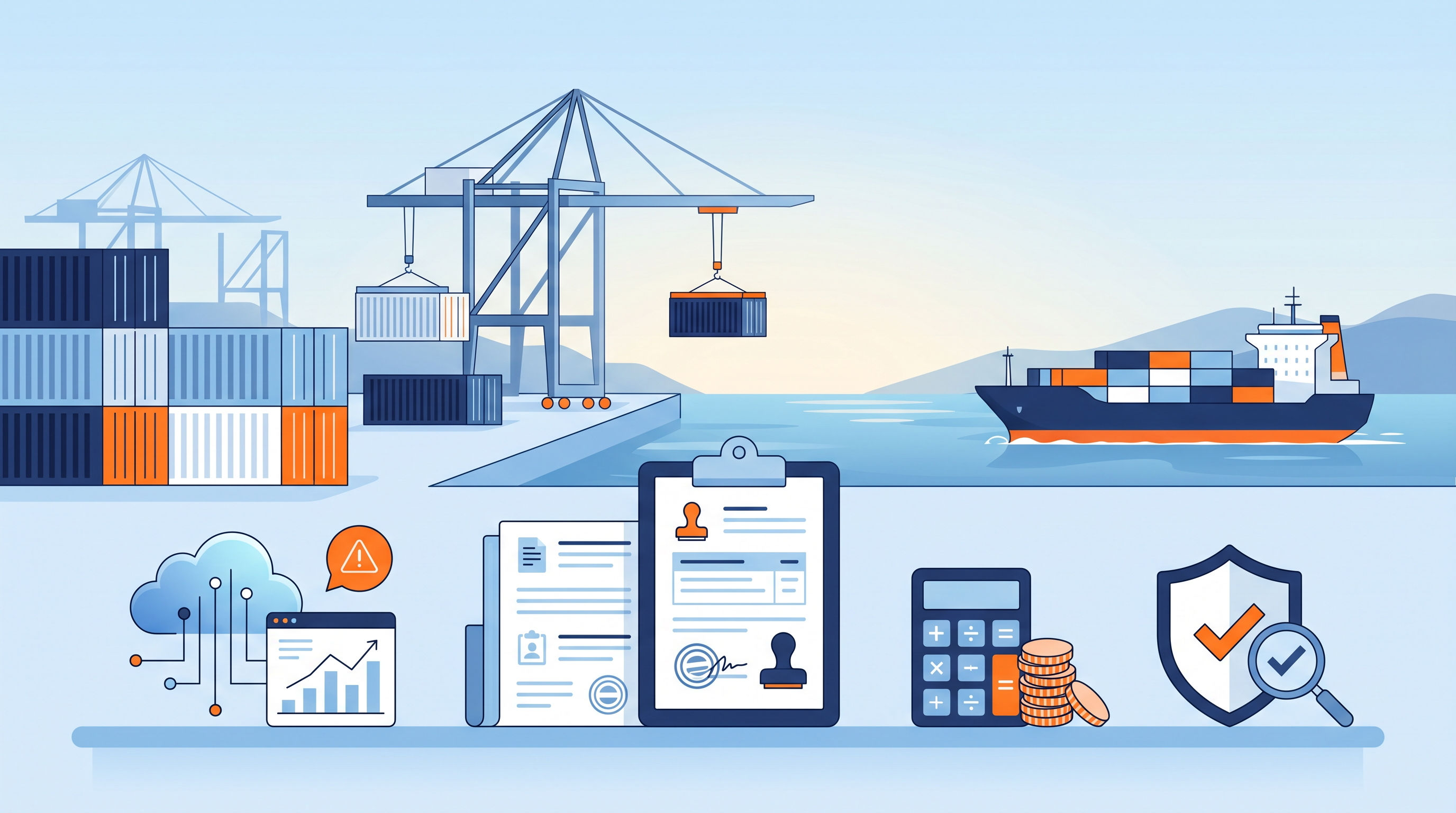
International customs procedures ensure that goods undergo various control and inspection processes before entering a country. These procedures are carried out through multiple requirements such as customs declarations, tax payments, import permits, and product documentation. They are designed to protect national security and public health while also preventing illegal trade. If you want to successfully manage customs processes in international sea transportation, you should consider the following five key points.
1. Customs Declaration and Import Process
In maritime import operations, the customs declaration is the first step required for goods to legally enter a country. The import customs declaration is an official document in which the importer provides detailed information about the imported goods. This document includes information such as the origin, quantity, value, and shipment route of the products. Completing the customs declaration accurately and thoroughly is essential for ensuring that the import process proceeds smoothly and efficiently.
2. Customs Duties and Sea Freight Costs
Imported goods must be subject to certain customs duties before they can enter a country. Customs duties in sea freight transportation represent an important component of the overall cost of the import process. These duties may vary depending on the type of product, the country of origin, and the value of the goods. They are applied to maintain trade balance between countries and to protect domestic producers. Incomplete or incorrect payments can cause delays at customs and lead to additional costs for importing companies. Therefore, importers must carefully calculate duties and comply with national customs regulations.
3. Customs Control Documents and Inspection Process
Imported goods undergo inspection processes to ensure safe and legal entry into the country. Customs control documents are the official documents that importers must submit to demonstrate compliance with legal standards and international regulations. These documents verify the origin, value, transportation conditions, and the relevant health and safety standards of the imported goods.
During the import process, the following documents are typically required:
- Certificate of Origin: This document identifies the country where the product was produced or shipped from and may provide trade agreement advantages such as reduced or exempt customs duties.
- Invoice: The invoice provides details about the type, quantity, and value of the goods. Customs authorities use this document to calculate applicable duties, making accuracy and transparency critical.
- Transport Documents: Bills of lading or other transport documents confirm that the goods are shipped via sea and follow a specific route. These documents ensure that the cargo is transported legally and securely.
- Health and Safety Certificates: For certain products such as food, pharmaceuticals, or chemicals, certificates proving compliance with health and safety standards are required. These are checked during customs inspections.
- Import Licenses and Permits: Some goods require special permissions or licenses before importation. This is especially relevant for specific technology products, agricultural goods, or hazardous materials.
4. Customs Inspection Process and Risk Analysis
In logistics operations, risk analysis is used to assess potential risks associated with imported goods. Necessary customs checks are carried out as part of sea freight procedures. While customs authorities do not inspect every shipment in detail, they use a risk-based approach to select certain shipments for detailed examination. This process is crucial to ensure the quality and safety of imported goods and to prevent the entry of illegal products. Risk analysis may vary depending on the importer’s compliance history, the type of goods, and the country of origin.
5. The Role of Technology in International Customs Processes
Today, the use of digital technologies in international customs processes has made operations in maritime transportation more efficient and faster. Electronic customs declarations, digital document management systems, and integrated databases allow importers to submit documents digitally and track processes more easily. These technological advancements make customs procedures more reliable and efficient, reducing barriers to international trade. At the same time, they enhance the competitiveness of sea freight transportation as a logistics option.


 Popular News

.png)
 .png)